By investing in apprenticeship programmes, businesses in the road transport sector not only address current skills gaps but also help build a strong foundation for the future of the industry.
National Apprenticeship Week, which runs from 9-15 February, highlights how apprenticeships can provide individuals with routes to stable, rewarding careers in well paid jobs with excellent prospects for promotion.
Delivered through a mix of classroom learning, workshop-based instruction, and real-world dealership experience, these training programmes are designed to meet the standards of both OEMs and the broader commercial vehicle sector.
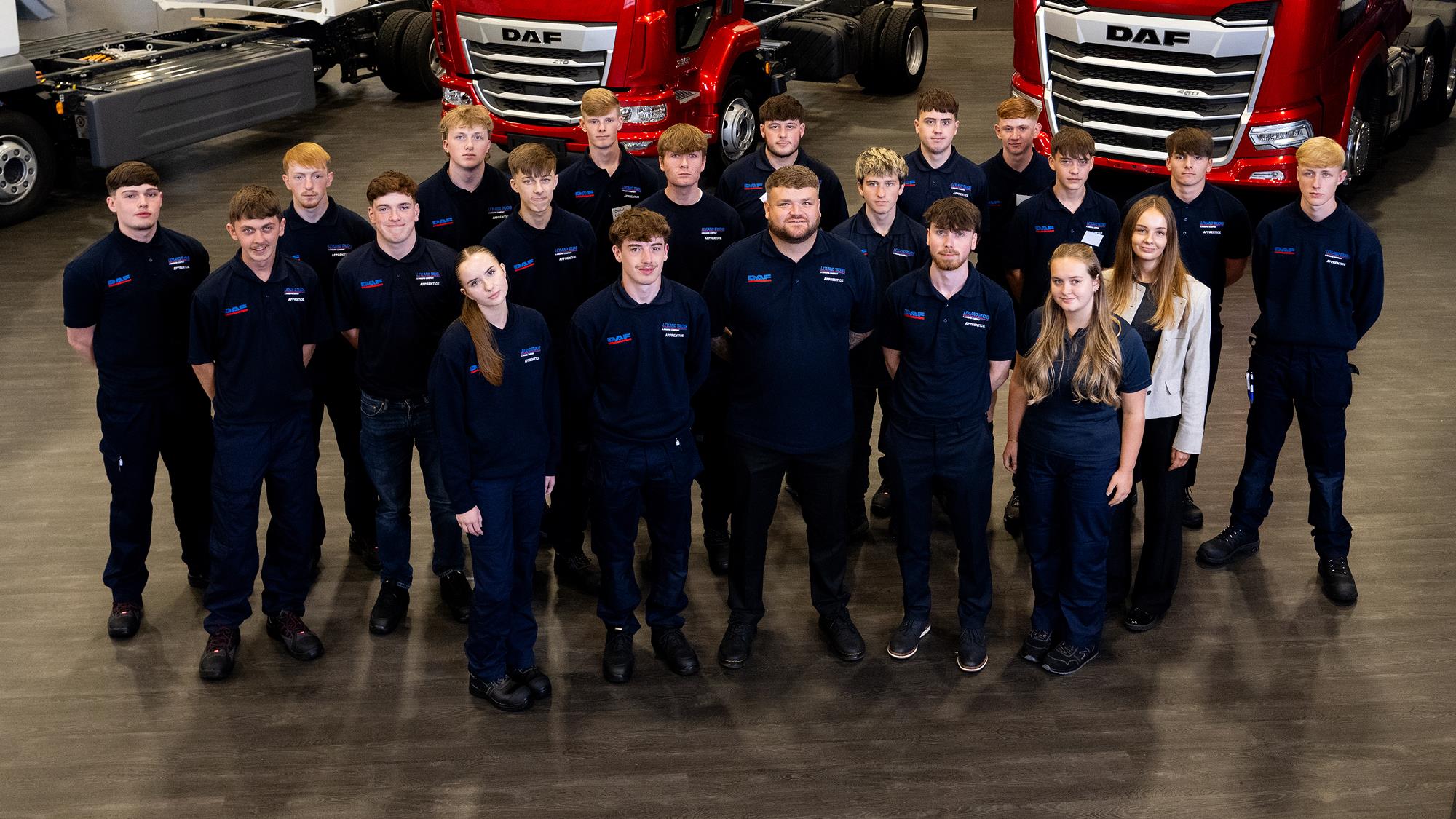
For example, Leyland Trucks has opened applications for the 2026 intake of its apprenticeship scheme, with 21 places available for aspiring engineers, technicians and business professionals.
The company will welcome new apprentices in September 2026, with opportunities available across eight business and automotive disciplines.
These include a range of four-year degree apprenticeships in Design Engineering, IT Software Engineering and Supply Chain, alongside Level 4 programmes in Automotive Engineering, Facilities & Maintenance, and Fabrication & Welding, plus a Level 5 role in HR.
Also, 10 places are available on the three-year Assembly Operator advanced apprenticeship.
Apprentices at Leyland Trucks take part in practical sessions at the company’s tooling academy, join team-building activities, and have apprentice “buddies” – experienced colleagues who support them throughout their programme.
They also have academic training: at Preston College, Blackpool & The Fylde College, UCLan, Training 2000, Leeds Trinity University and Runshaw College, with qualifications available up to and including degree level.
Maria Rogers, Learning and Development Manager at Leyland Trucks, said: “If someone brings ambition and commitment, this programme gives them everything they need to build a successful career in our industry.
“From technical expertise to communication, time management and critical thinking, our apprentices develop skills that will benefit them for life.
“We also introduce them to cutting-edge manufacturing and sustainable truck technology, which means we’re not just preparing individuals – we’re investing in the future of the industry itself.
“Year after year, our apprentices go on to build secure, rewarding careers. We’re proud to invest in the next generation who will one day become the backbone of our business and the wider region.”
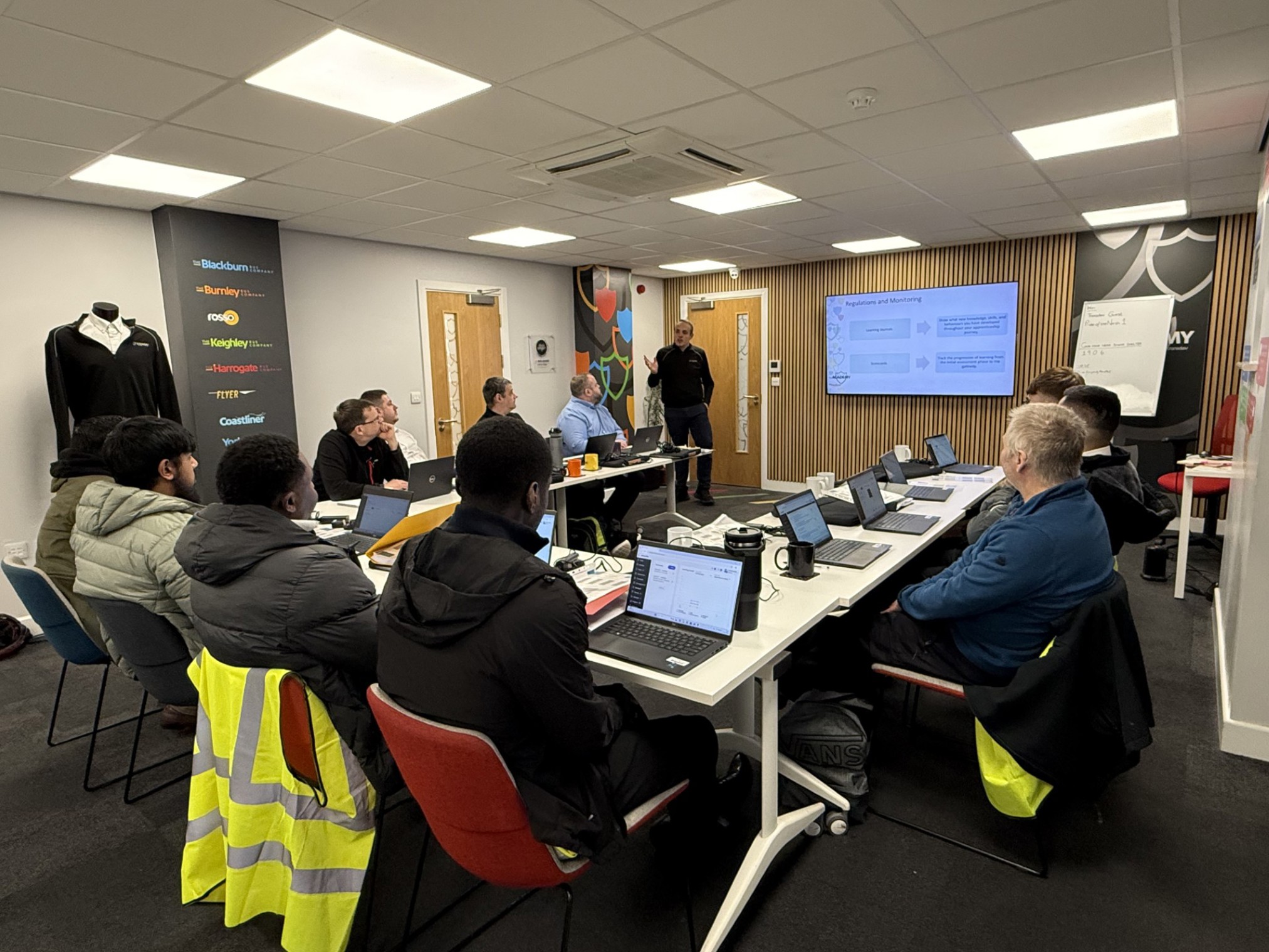
Meanwhile, refuse collection vehicle manufacturer Dennis Eagle has marked National Apprenticeship Week by bringing nearly 30 apprentices from across the UK to its new technical training centre in Warwick.
Apprentices came to the event from sites including Witham, Blackpool, Warrington and Merthyr Tydfil.
In the afternoon, the group took part in a team activity run by quality control manager Andy McKinlay, and apprentices were challenged to design and build a paper crane capable of supporting the weight of a pencil.
After creating their prototypes, teams were instructed to swap designs and build another group’s concept, a twist intended to emphasise clear communication and the importance of accurate instructions.
Participants later heard from a panel of former apprentices who have since progressed into senior roles within the company, who each discussed their career paths, lessons learned and priorities for the future.
Dennis Eagle plans to expand its apprentice intake further across multiple disciplines over the next few years.
The company, which has established long‑standing partnerships with local colleges and universities, employs many staff who originally joined through its apprenticeship programme.
“For anyone considering an apprenticeship, my advice is to approach the opportunity with commitment and an open mind”, said Cai Williams, Apprentice HGV Technician at Dennis Eagle.
“It offers a valuable combination of practical experience and structured learning, and those who make the most progress are the ones who actively engage, ask thoughtful questions, and show a genuine willingness to develop their skills.
“An apprenticeship can provide an excellent foundation for a long-term career, and embracing each stage of the journey will help you gain both confidence and capability.”
In addition, Transdev has partnered with training provider Realise to deliver a new Level 2 bus driver apprenticeship programme in 2026.
Realise has extensive experience in delivering bus driving training across the country, helping more than 1,000 people enter the industry through both apprenticeships and adult skills.
The new programme takes eight months to complete, with about 326 hours of training being delivered by industry experts.
Each apprenticeship is valued at £8000, which is funded in full and directly through Transdev’s Apprenticeship Levy.
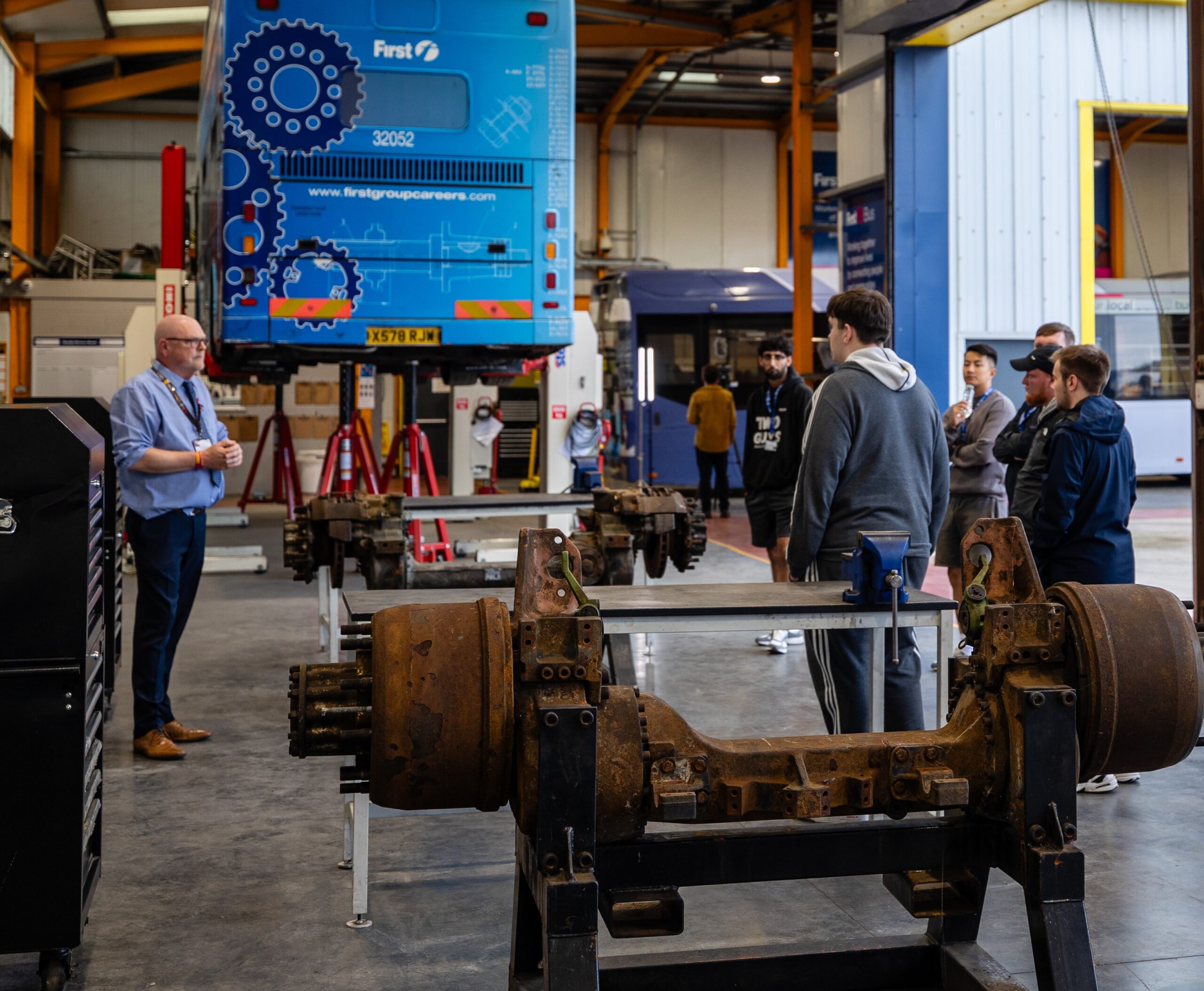
By the end of 2026, the company will have several new cohorts of qualified bus drivers ready to work on its routes across Yorkshire and Lancashire.
Dale French, Training Manager at Transdev said apprenticeships at the company are open to anyone who is willing to learn new skills, attitudes and behaviours – regardless of age or background.
“Our new apprenticeship scheme is hugely significant for us; not only will it enhance our current training experience for colleagues but also open the door to a whole new cohort of local talent”, he added.
“By investing in this new programme, Transdev are also investing in the communities we serve across the North of England.
“With more well-trained driver colleagues, we are confident that this new scheme will enhance the quality of the service we provide, leading to more reliable buses for our customers for years to come.”
SMMT apprenticeships survey
The UK’s automotive manufacturing industry is accelerating its skills transition, with apprentice numbers up 33% and new starters rising 28% in 2025, according to a new SMMT survey.
Research found there were 1,699 apprenticeship starts during the last academic year, alongside a further 1,824 apprenticeship courses delivered to upskill existing employees in their current roles.
The survey covered major vehicle and component manufacturers, R&D specialists and aftermarket firms employing about 75% of the UK automotive manufacturing workforce.
SMMT said this highlights workforce reskilling as a top priority, with almost two thirds of existing roles – 61% – expected to require new skills by 2035.
Those skills include high-voltage system capability, battery handling and digital competencies such as coding, data analysis and AI.
Mike Hawes, SMMT Chief Executive, said: “Developing new skills is mission-critical for the sector’s competitiveness and growth as well as our ability to produce the next generation of cutting-edge zero emission and automated vehicles that will transform our roads and society.”