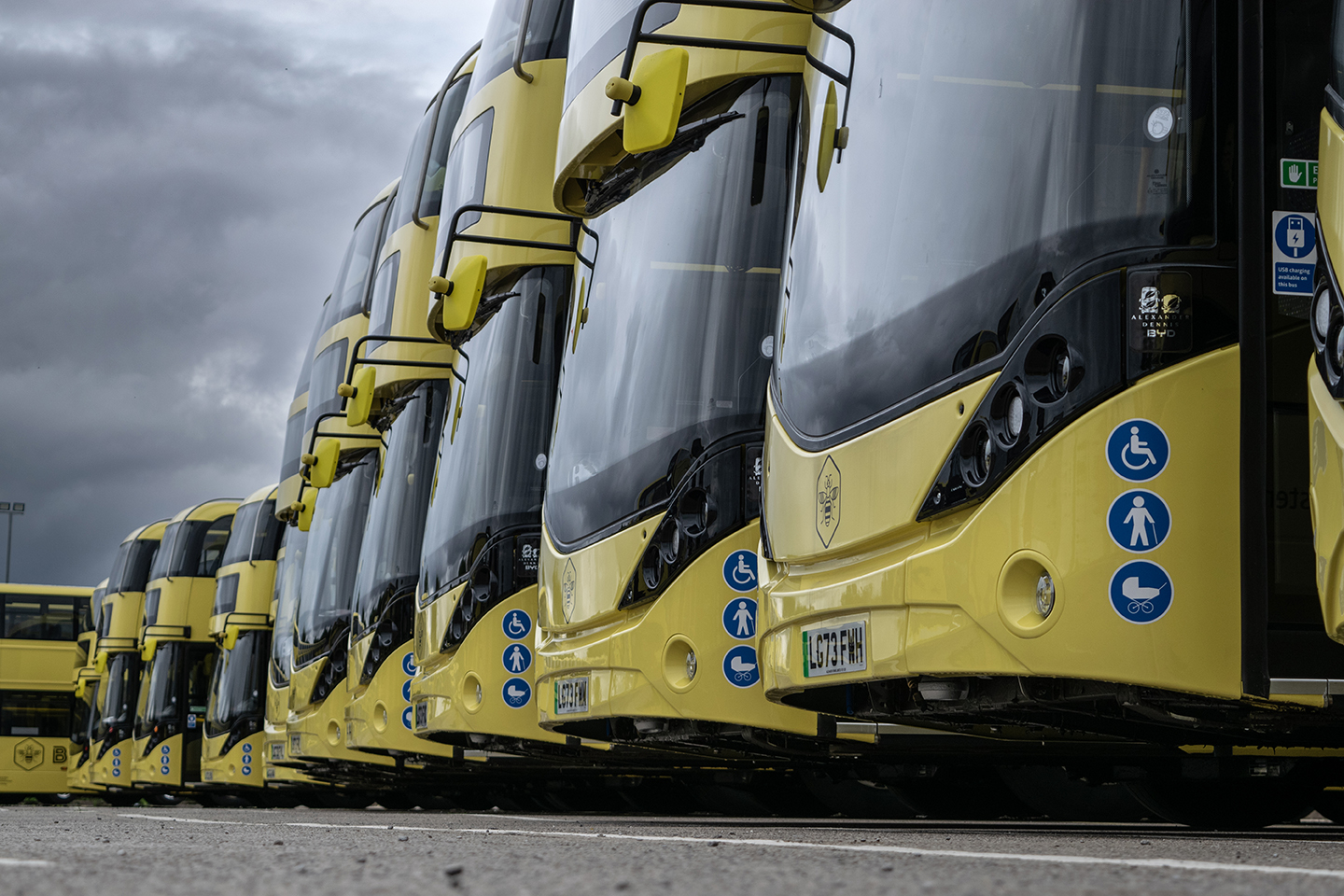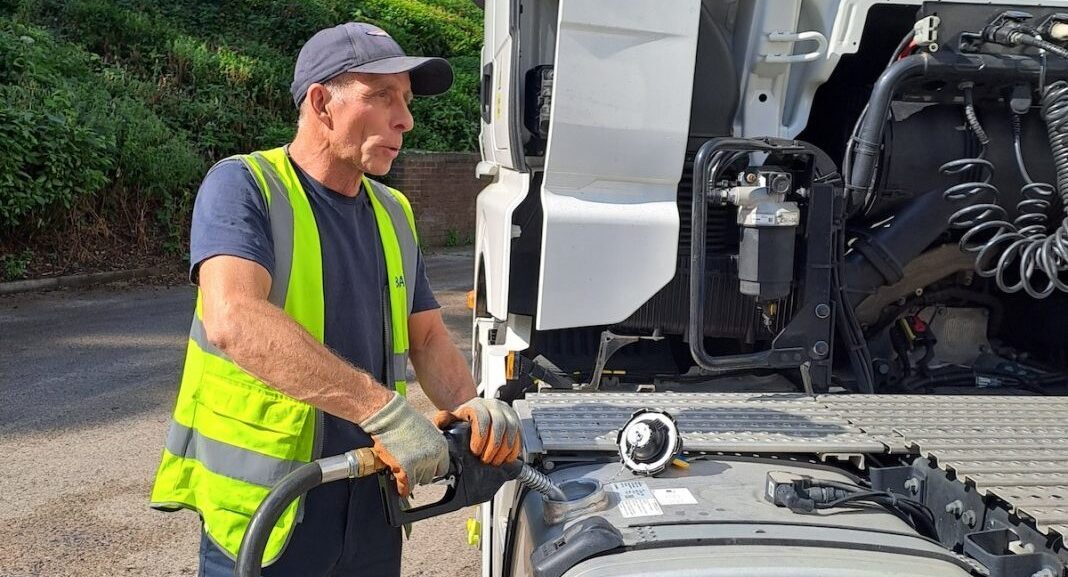
An increasing number of hauliers and local authorities are switching to Hydrotreated Vegetable Oil (HVO) in order to help meet short- and medium-term decarbonisation targets while still planning their transition to electric vehicles.
HVO is an advanced, renewable diesel fuel that is manufactured from waste fats and oils, that can cut CO2 emissions from a vehicle by around 90% compared to conventional diesel.
Being a drop-in replacement for fossil diesel, it also means no modifications are needed for existing engines – another plus point for road transport operators.
For example, Baxi has eliminated diesel as its standard truck fuel and switched to HVO, reducing HGV fuel emissions by about 99%.
The move comes as the company aims to become carbon neutral in all operations by 2030.
Baxi said the adoption of HVO indicates how transitional fuels can play a critical role in reducing emissions and protecting the environment now, while the company explores longer-term solutions such as fleet electrification and alternative drivetrains.
Dennis Reed, Transport Operations Manager at Baxi, said: “We’re really pleased with how successful and cost-effective the switch to HVO has been.
“We’re seeing better miles per gallon now, meaning that HVO is letting us go further while keeping emissions for the fleet at a bare minimum.
“It’s also proving to be consistently better for the vehicles with no significant changes needed to maintenance.”
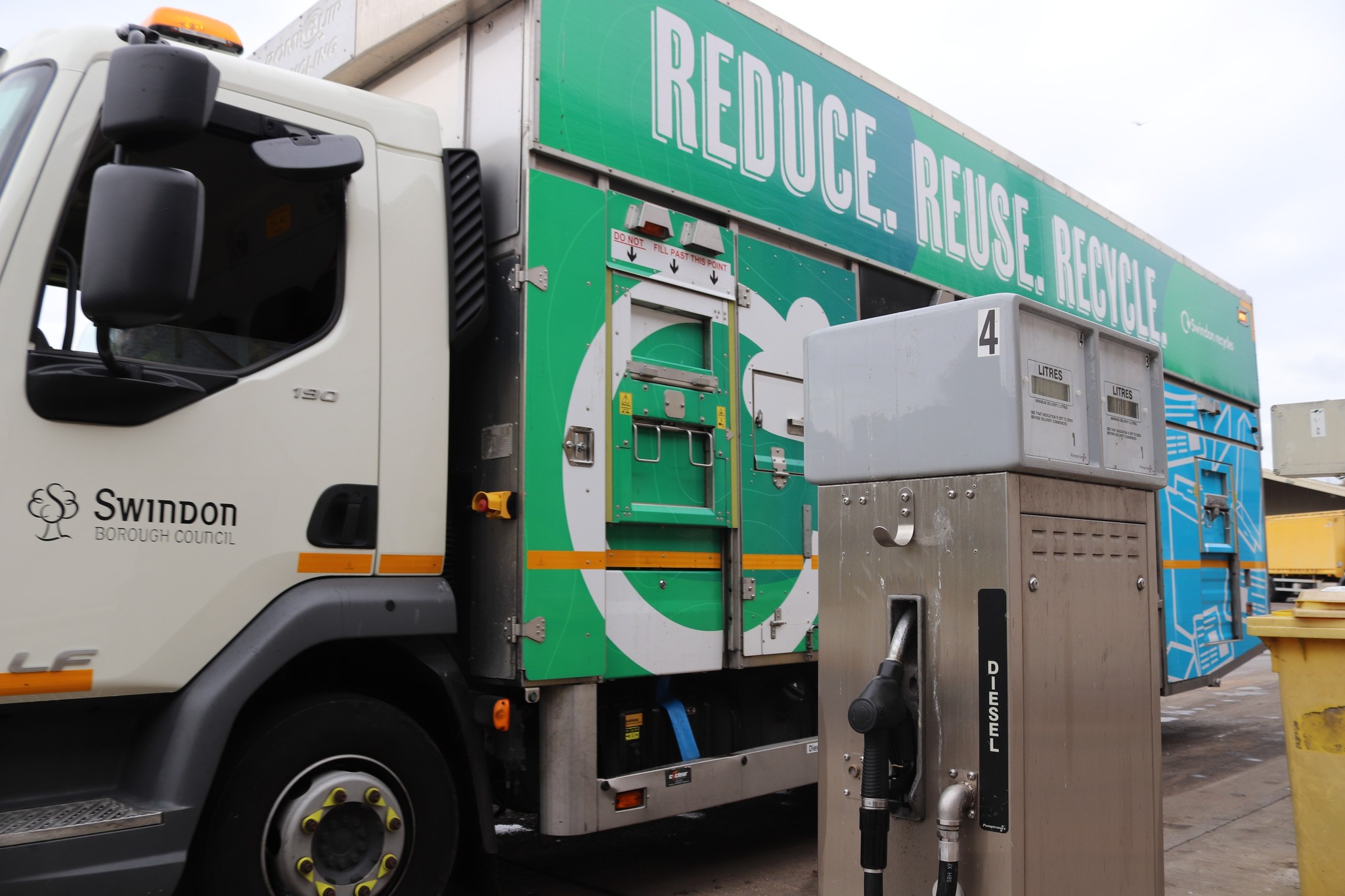
Meanwhile, Swindon Borough Council is introducing HVO to approximately 675 vehicles in its fleet, including waste lorries, road sweepers, and highway maintenance machinery.
The council said the fuel will offer a practical short-term solution for reducing emissions at a time when full fleet electrification remains financially and logistically challenging.
Swindon Borough Council currently operates 28 electric vehicles, including four hybrids.
The council’s HVO supply is certified under International Sustainability & Carbon Certification (ISCC) standards, ensuring it is renewable, fully traceable, and free from palm oil and associated deforestation.
Chris Watts, Swindon Borough Council’s cabinet member for the environment and transport, said: “Ending the use of fossil fuel to power council-owned vehicles will have a positive and immediate environmental impact.
“When you think that our waste crews make 20,000 collections every week day using huge lorries – the environmental impact of switching these from diesel to this renewable biofuel is significant.
“Longer term we will continue to explore all options to decarbonise our fleet still further, recognising that widescale electrification is currently financially out of reach and comes with some operational challenges to resolve.”
Also, Newry, Mourne and Down District Council in Northern Ireland is taking an important step towards significantly reducing its carbon footprint by powering its vehicle fleet with HVO.
Introducing the fuel mix across the council’s current fleet is expected to reduce carbon emissions by almost 2,500 tonnes per year.
Currently, there is only one electric battery powered vehicle across its 195 vehicle fleet which emits zero emissions.
However, by the end of June this year, the council is aiming to have 17 zero emission light fleet vehicles on the road and is currently drafting proposals for all its small vehicles under 3.5 tonnes to be carbon neutral by 2035.
The council is currently consulting on its draft Sustainability and Climate Change Strategy which commits the organisation to be net zero by 2050 when it aims to have its entire vehicle fleet, including heavy lorries, fully decarbonised.
All new vehicles the council operates are required to produce zero emissions by 2035, in line with Vehicle Emissions Trading Schemes (VETS).
Newry, Mourne and Down District Council Chairperson, Councillor Philip Campbell said introducing HVO requires no vehicle or infrastructure modification and can be mixed with the council’s existing diesel stock.
He added: “Introducing biofuel and zero emission vehicles across the council fleet is part of our vision for a low-carbon, climate resilient future, protecting the area’s fragile environment.
“The scale of the significant reduction in the council’s carbon footprint by introducing the biofuel mix cannot be underestimated.
“We are committed to integrating climate action and sustainability in all aspects of our operations and decision-making and policies. Introducing HVO is a critically important step on this journey.
“The fact HVO can be blended with regular diesel and used in many of the council fleet’s engines with little or no modification is positive and offers significant environmental benefits.”
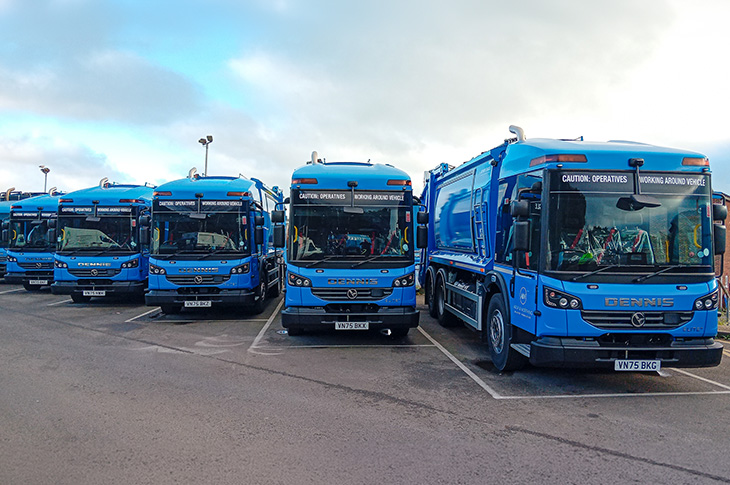
Adur and Worthing Councils have switched their fleets to renewable HVO, supporting their commitment to reducing the environmental impact of essential services while maintaining reliability for residents.
The waste and recycling vehicles, which cover more than 280,000 miles each year, previously accounted for about a third of the councils’ total carbon emissions when running on diesel.
Over the next few months, eight new HVO-powered trucks will join the fleet, replacing some of the oldest vehicles in operation.
Most of these vehicles were purchased in 2017 and are scheduled for replacement this year to ensure continued service reliability.
The councils will also take delivery of their first fully electric waste truck as part of a phased rollout.
This transition to HVO allows both to achieve significant emission reductions now, without waiting for EV technology to become fully cost-effective, while ensuring uninterrupted waste collection services for residents.
Andy Harvey, Adur’s cabinet member for the environment and leisure, said: “The introduction of HVO as an interim measure on our way to electrification of our waste fleet has been a significant move.
“It allows us to make immediate, substantial carbon savings while continuing to invest in proven, reliable vehicles that meet the demands of our services.
“We will continue to monitor and adopt electric and other low-carbon technologies as they become viable for large-scale use.”
HVO offers advantages over conventional diesel, with greenhouse gas reductions leading to cleaner air and a reduced reliance on fossil fuels.
It is an important transition fuel for operators with diesel trucks that are not yet able to use electric or hydrogen vehicles due to a higher upfront purchase cost or lack of charging and refuelling infrastructure.
Therefore, it is encouraging that the transport sector is actively reducing emissions from their operations now and planning for a zero emission future.