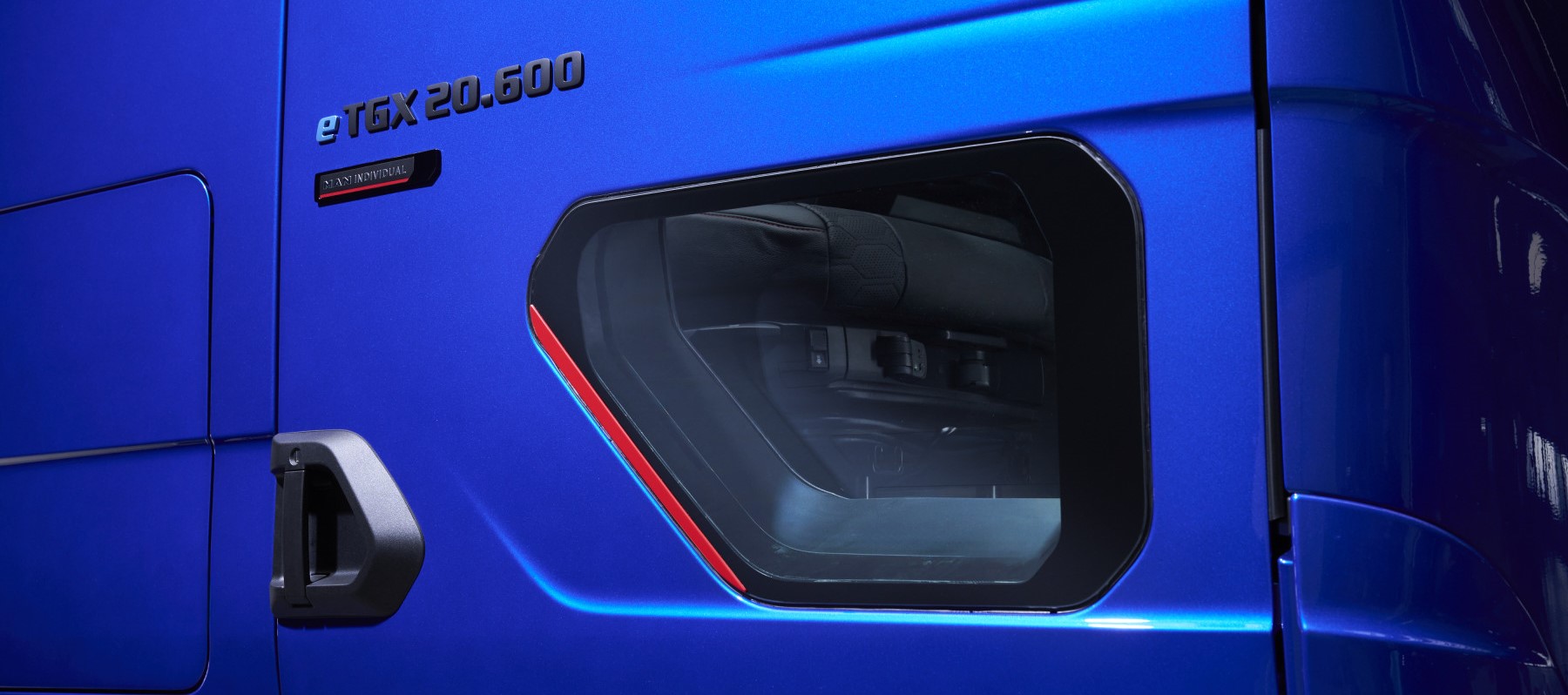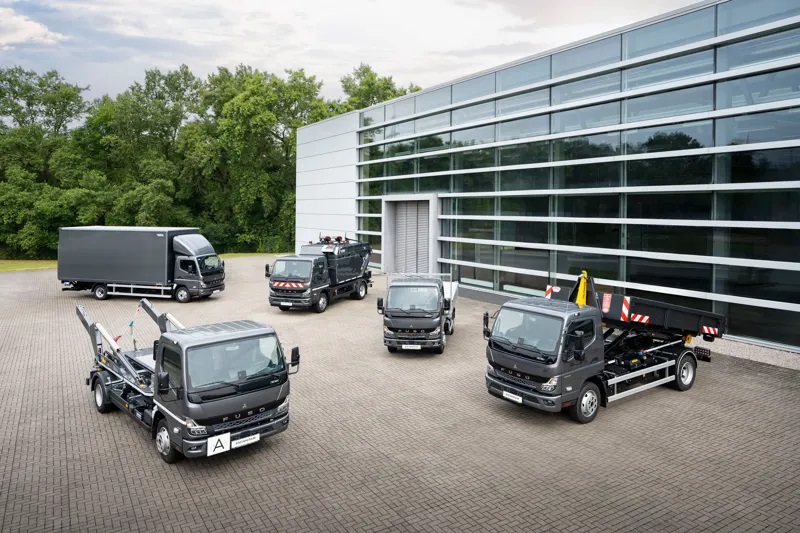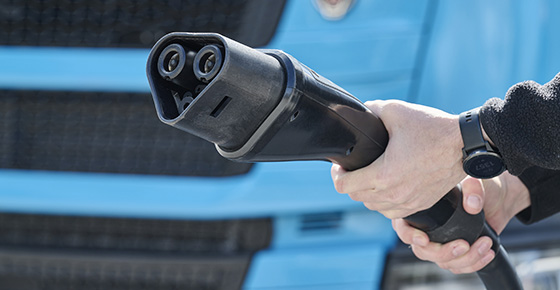

The UK’s heavy goods vehicle industry is fully committed to decarbonising road freight, but the route to zero must be realistic, affordable and capable of delivering carbon reduction now. Manufacturers are already offering more than 40 different zero emission models – years ahead of what is still a fledgling market.
It is not a failure of ambition but a reflection of the immensely complex challenges facing the HGV transition. Tough fleet margins, higher upfront costs for vehicles and depots, rising energy prices, long waits for grid connections and a dearth of public charging – with just 10 sites nationwide – all cause uncertainty and would threaten operating viability. With more than 70 specialist HGV segments to decarbonise, and each with distinct operational demands, duty cycles and infrastructure needs, a one‑size‑fits‑all regulatory solution simply will not work.
Against this backdrop, government must adopt a pragmatic, technology‑open pathway for the sector to reach net zero. Building on existing CO₂ regulations that are already set to deliver a 30% reduction by 2030, the UK could extend that trajectory to a 64% reduction by 2035 and full zero emission adoption by 2040 – an ambition to which industry and government have long been committed.
Such an approach would give manufacturers and operators the confidence to invest in carbon cutting technology sooner – be it low or zero emission – while avoiding the destabilising effect that comes with mandating particular technologies, as we have seen in the new car and van markets. Given 80% of UK freight depends on road transport, this would only increase costs for businesses and consumers, while delaying fleet renewal with lower emission technology that is accessible now.
It was a pleasure to provide the opening address at the Commercial Vehicle Show this week and welcome much of the light and heavy commercial vehicle sector to the 26th edition, this year also co-located with the first edition of the Bus & Coach Expo. Product launches from long-established vehicle OEMs and new entrants, plus a host of cutting-edge technology and service providers, attracted significant traffic to the show floor and reflects a competitive market that is providing operators with the choice they need to make the best fleet investment needed to keep the UK economy moving for years to come.
SMMT Update
Sign up
Sign up to the SMMT Update Newsletter for weekly automotive news and data
"*" indicates required fields