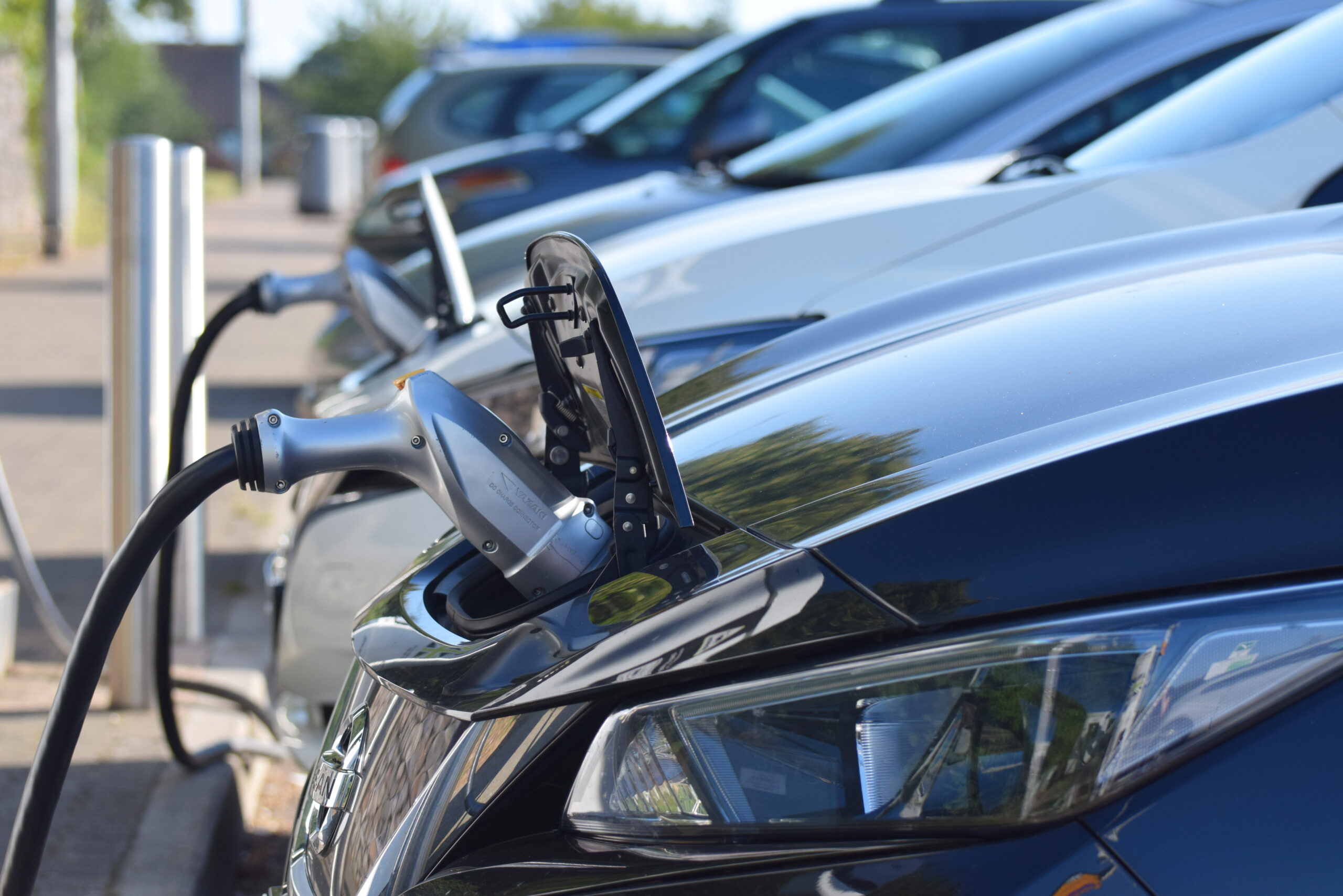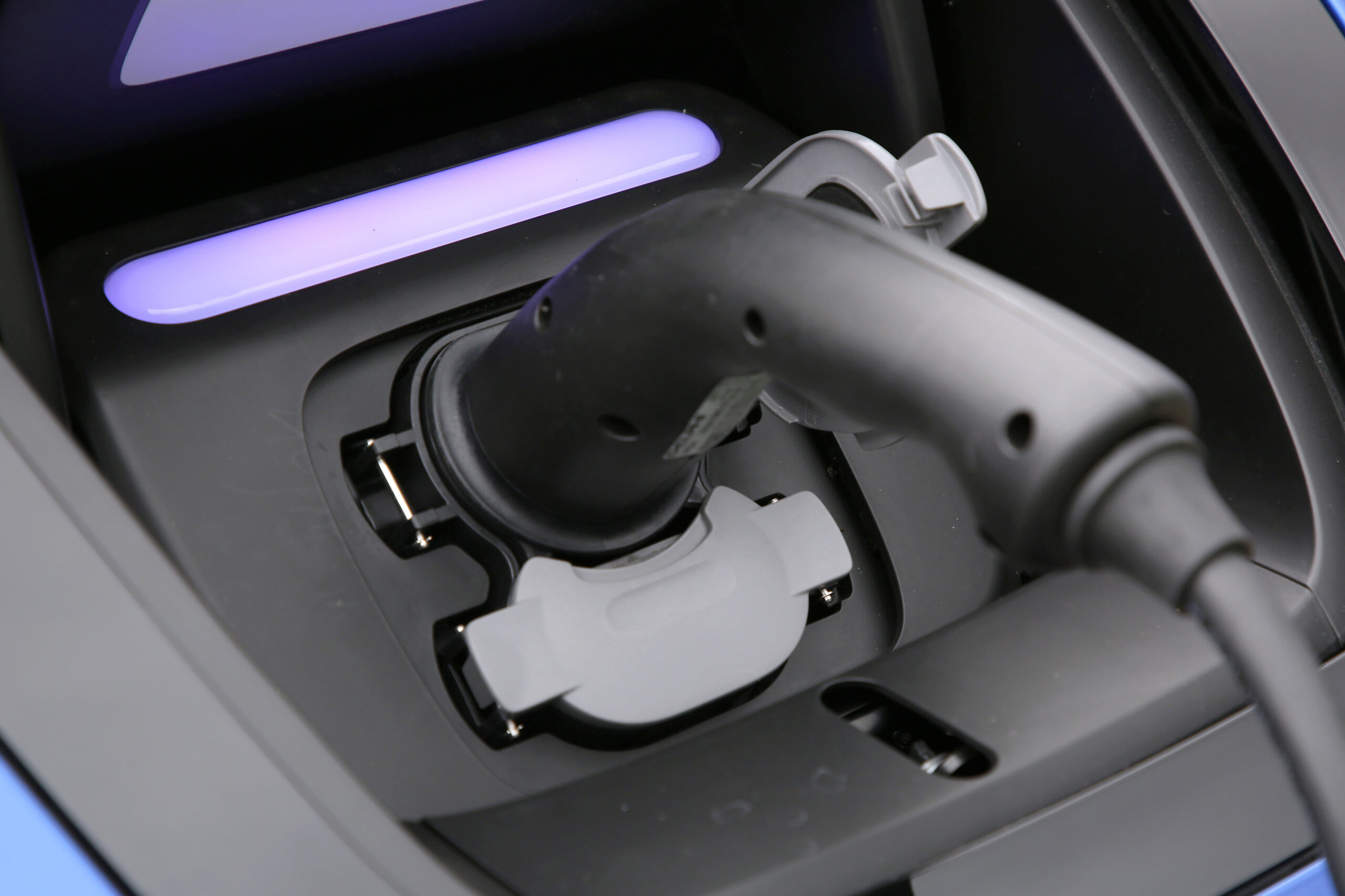

Industry got back to business this week, with positive news that new car registrations topped two million units in 2025 – for the first time this decade, according to fresh SMMT data. It reflects a robust 2025 performance, with demand up 3.5% despite a tough economic setting and turbulent geopolitical backdrop – but all eyes were, of course, on EVs. Zero-emission vehicle uptake continues to grow, up 23.9% thanks to an ever-expanding market offering spanning more than 160 different cutting-edge EV models.
Such wealth of choice was not enough, however, to drive demand to aspired levels, with EVs representing 23.4% of the market – below the 28% set by the ZEV mandate, and despite an unprecedented £5 billion in discounts to attract drivers. Such a situation is patently unviable in the long term, and while government rightly stepped in with the Electric Car Grant – which is helping – only around a quarter of models are eligible. Mixed messaging with the proposed eVED tax, meanwhile, and higher public charging costs, risks confusing the public and diminishing the impact of industry investment. Government must, therefore, bring forward a review of the ZEV transition to ensure a sustainable market that aligns ambition with real-world demand.
The review must also consider unique challenges in the new van market, which declined by -10.3% in 2025, amid a challenging economic environment for fleet renewal. While EV uptake rose significantly, by 36.2%, it remains well below the 16% mandated last year – despite industry’s best efforts. Indeed, zero emission models represented more than half of all products available yet van makers too were forced to provide massive subsidies. A far tougher 24% target is in place this year and while the Plug-in Van Grant will help, simultaneously removing the plug-in hybrid van grant makes regulatory targets ever harder to achieve while restricting greener options for operators.
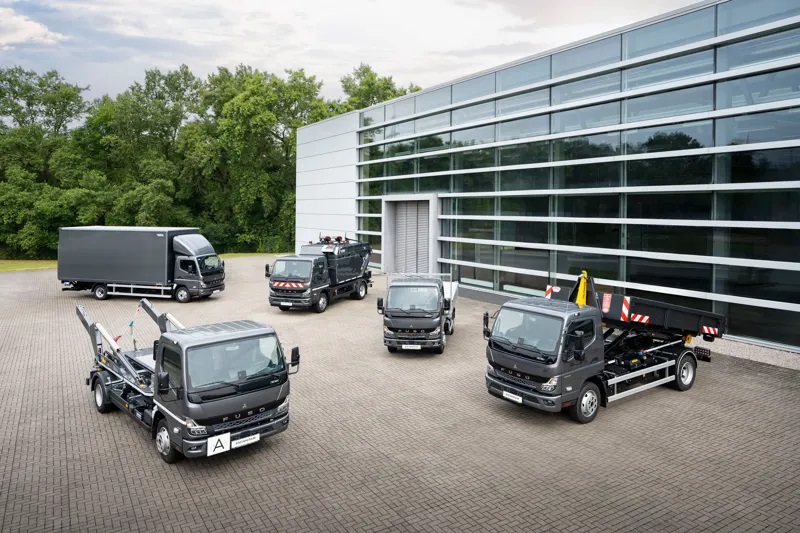
HGV fleet operators also face major barriers to decarbonising, so this week’s expansion of the Plug-in Truck Grant is welcome, supporting uptake of zero emission models which manufacturers are deploying despite hesitant demand. Moving from early adoption to mass market, however, will require a strategy that matches regulation to incentives and infrastructure – across all HGV types and powertrains – ensuring the transition is ambitious but rooted in reality.
Decarbonisation may be a priority for industry, but road safety remains paramount, with manufacturers investing to develop new, innovative technology solutions for accident prevention and road user protection. The government’s new Road Safety Strategy announced this week was also welcome as it will help reduce casualties further, and we look forward to working with government and stakeholders to ensure Britain’s roads remain among the safest in the world.
It has already been a busy start to 2026 yet the challenges to the sector will continue. SMMT will look to expand its support for members this year, ensuring the strongest backing possible for UK Automotive to achieve its full potential.