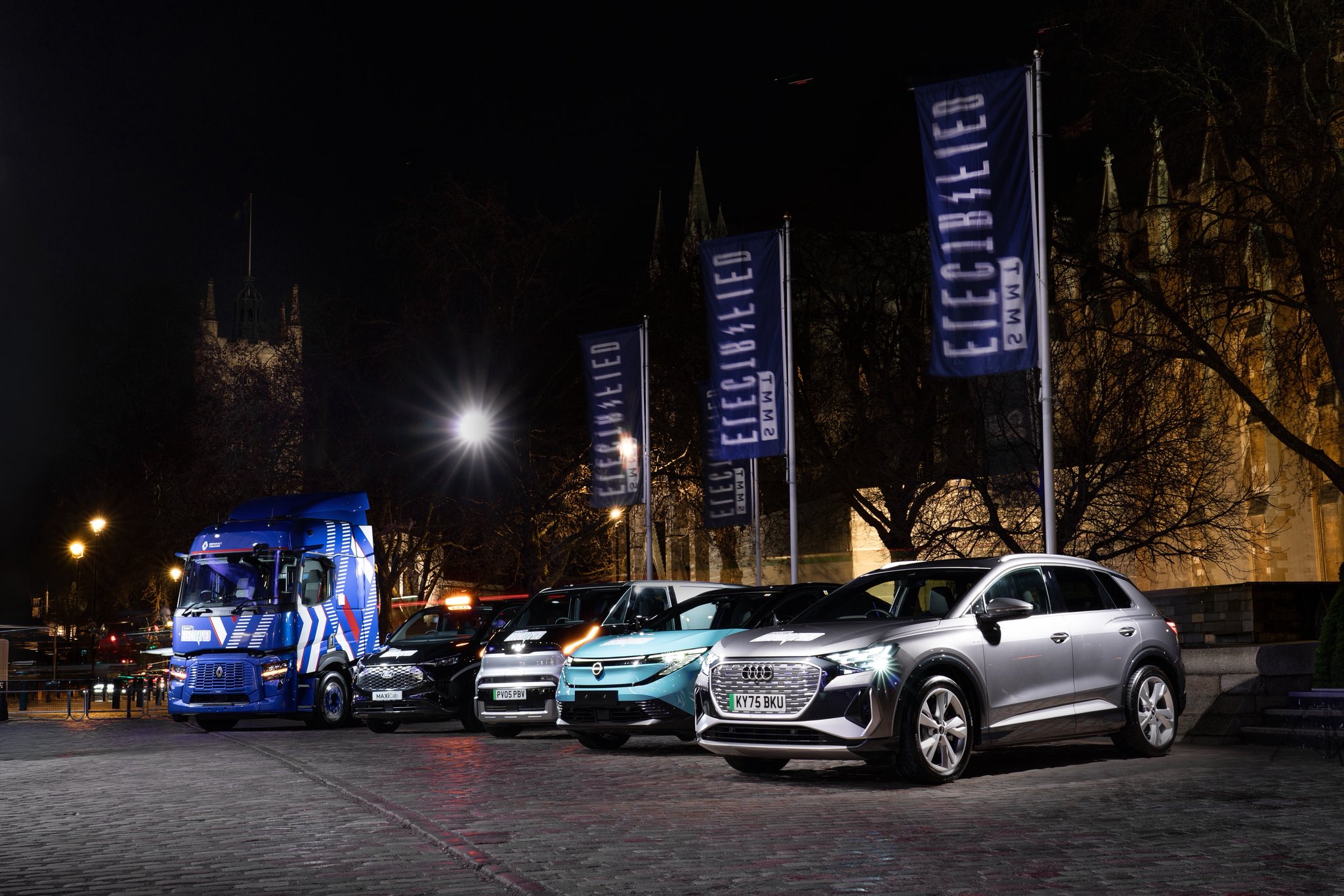
As the UK’s key summit on road transport electrification, SMMT Electrified 2026 brought together more than 400 senior representatives from industry, government, and the infrastructure, energy, fleets, insurance and logistics sectors, to discuss the switch to zero emission mobility.
The overriding message from the conference was that the automotive sector remains fully committed to Net Zero and electrification.
However, attendees were in agreement that the economic and geopolitical landscape has shifted so dramatically over the past five years, that an urgent strategic review by the government of the vehicle decarbonisation process is required to keep the transition on course.
Factors which have combined to undermine the assumptions underpinning the EV transition have included the impact on energy markets, business and consumer confidence of global events such as the Covid-19 pandemic, the Ukraine war, as well as increasingly protectionist attitudes to trade.
Mike Hawes, SMMT Chief Executive, announcing the organisation’s Same Destination, Smarter Route, report said: “The UK’s EV transition pathway was conceived with the best of intentions – but the assumptions behind it have proved over-ambitious.
“A landscape which once looked solid has turned out to be quicksand.
“Recognising that the world of 2026 is not the one envisaged five years ago is not a retreat from ambition; it is a necessary step to achieving it.
“We need an urgent review that reflects today’s realities, that delivers decarbonisation not deindustrialisation, and offers consumers the choice they have always expected.”
Since 2021, battery costs have risen more than 30% higher than anticipated, raw material costs remain stubbornly high, and UK and EU industrial energy prices have gone up 80% and 28% respectively.
Also, many commercial vehicle operators wishing to electrify their fleets have discovered that securing the appropriate connection to the electricity grid is a slow process.
Therefore, any review must consider all relevant factors, including the regulation, to assess whether the pathway to Net Zero remains realistic and is aligned with economic growth.

Jan Kohlmeier, Managing Director, MAN Truck & Bus, told the conference that leadership is not about setting the toughest targets, but all about building the strongest, most resilient, most deliverable pathway.
He added: “Decarbonising trucks is not simply a transport challenge, it’s an energy system challenge.
“Our customers are telling us the driver is ready, the vehicle is ready, the vision is there, but grid connections are taking years.
“Vehicles alone do not deliver decarbonisation, customers do not just buy trucks, they buy uptime, they buy payload, they buy range, and they buy total cost of ownership.”
Amy Stokes, Decarbonisation Director at Volvo Trucks UK added: “The truck technology is here and can do the job, but uptake is behind pace because infrastructure, collaboration and clarity on cost of power are holding operators back.
“We should consider multiple technologies – battery, gas and bio‑gas – so we don’t let ‘perfect’ stop us from making meaningful decarbonisation progress.”
Analysis in Same Destination, Smarter Route, shows that the expected price parity between electric and conventionally fuelled vehicles has not materialised, restricting the pace of transition.
Since the Zero Emission Vehicle (ZEV) Mandate’s introduction in 2024, manufacturers have provided more than £10 billion in EV discounts – by using mandate flexibilities – to push the market above its natural demand.
However, it has become clear that such subsidies are unsustainable and undeliverable, with the UK’s ZEV mandate targets set to become even tougher, with 46% of new van sales required to be zero-emission in 2028.
Eurig Druce, SVP, Group Managing Director, Stellantis said: “The challenge for us, is that we have a range of products that start at £15,000 – which is affordable – but it comes back to the fundamental point – you’re not able to profit from making an EV vehicle in the UK market today.
“A review next year is too late, we need a review now. We need to be able to make the right decisions and investments for the years ahead.”
The report also states that natural market demand will not deliver the quadrupling of electric van market share needed to achieve the targets currently set by the government.
Without action to close the gap, fleet renewal and parc decarbonisation will slow, and the UK’s attractiveness as both a vehicle market and manufacturing base will be put at risk.
Ian Macaulay, Decarbonisation Programme Lead from DHL Supply Chain said decarbonisation is core to the company’s strategy and it has accelerated electrification globally, with more than 40,000 electric vans currently in its Express business.
He added: “Customers pay for fuel and vehicles in the supply chain, so we need to take them on the journey and rethink contract terms; longer deals let us invest in infrastructure and decarbonisation.
“We’re also learning from our early electric trucks on how to shape energy and property strategies for the future.”

While almost two thirds of new van models are now available as zero emission, uptake in 2025 was 9.6% – barely half of the 16% required by regulation.
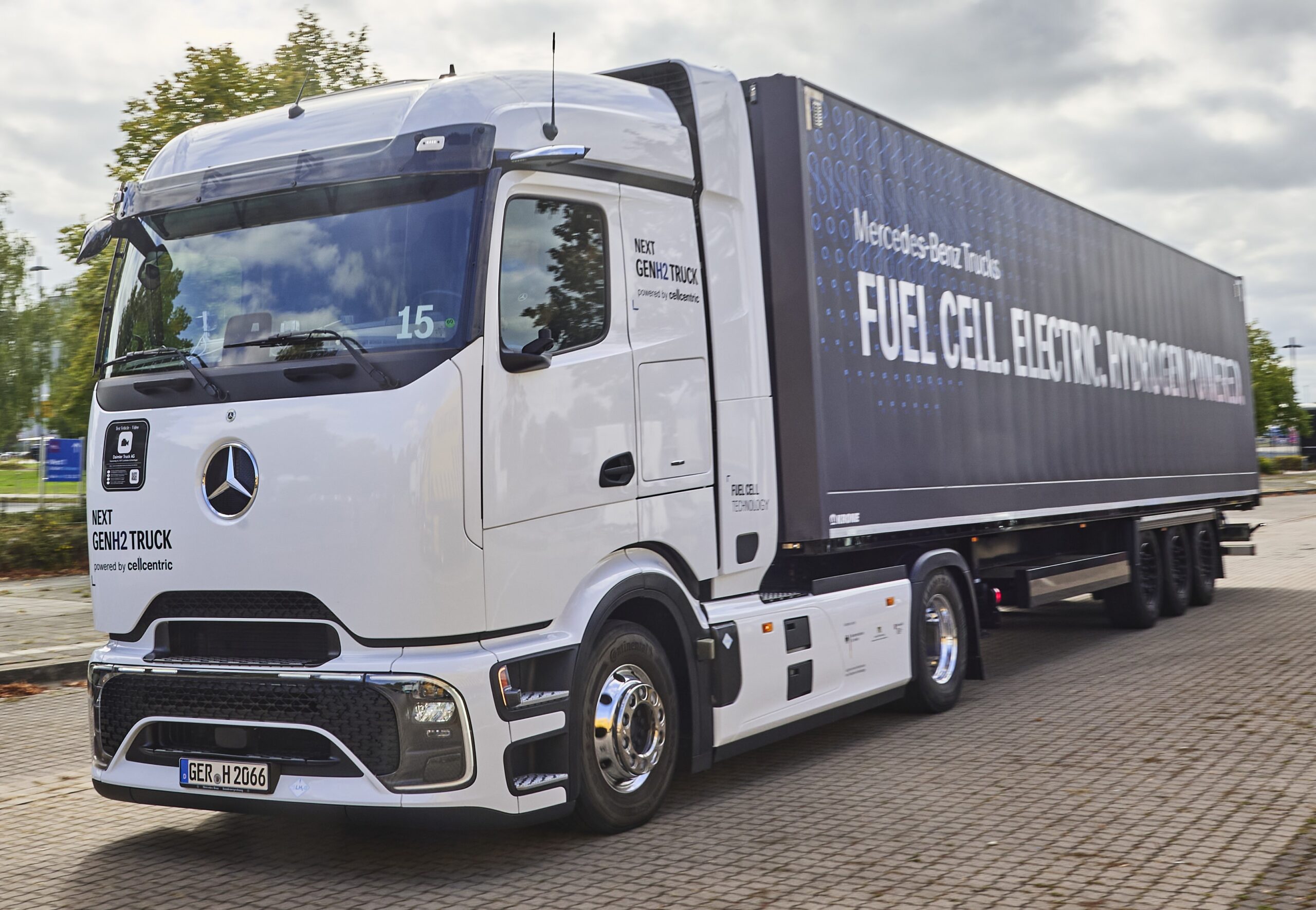
For heavy goods vehicles, adoption is only just beginning – 1.4% of the market in 2025 – reflecting the sector’s diverse operating requirements, high upfront costs and the scale of charging and refuelling infrastructure still needed.
Keir Mather, Minister for Aviation, Maritime and Decarbonisation told the conference the government understands that the largest and the heaviest vehicles are often the hardest to decarbonise, and it is working with the sector to tackle this.
He said: “We’re getting ready to publish the zero emission HGV and coach infrastructure strategy, giving the sector the confidence that it needs to plan and invest for the future.”
The Same Destination, Smarter Route report shows that charging infrastructure has increased but that the cost of public charging has, in some instances, gone up by more than 140% in the past five years.
Meanwhile, a target of having at least six ultra-rapid charge points at every UK motorway service area by the end of 2023 was only about 70% complete in early 2025.
Lisa Brankin, Chair and Managing Director, Ford of Britain said: “We need to shift our perspective from the legislation and think about our customers, understanding the barriers to why they are not adopting electric vehicles.
“Also, we need to think about the pace of change, and the tools that we use to help us get there, and have a broader perspective on how we make the transition.”