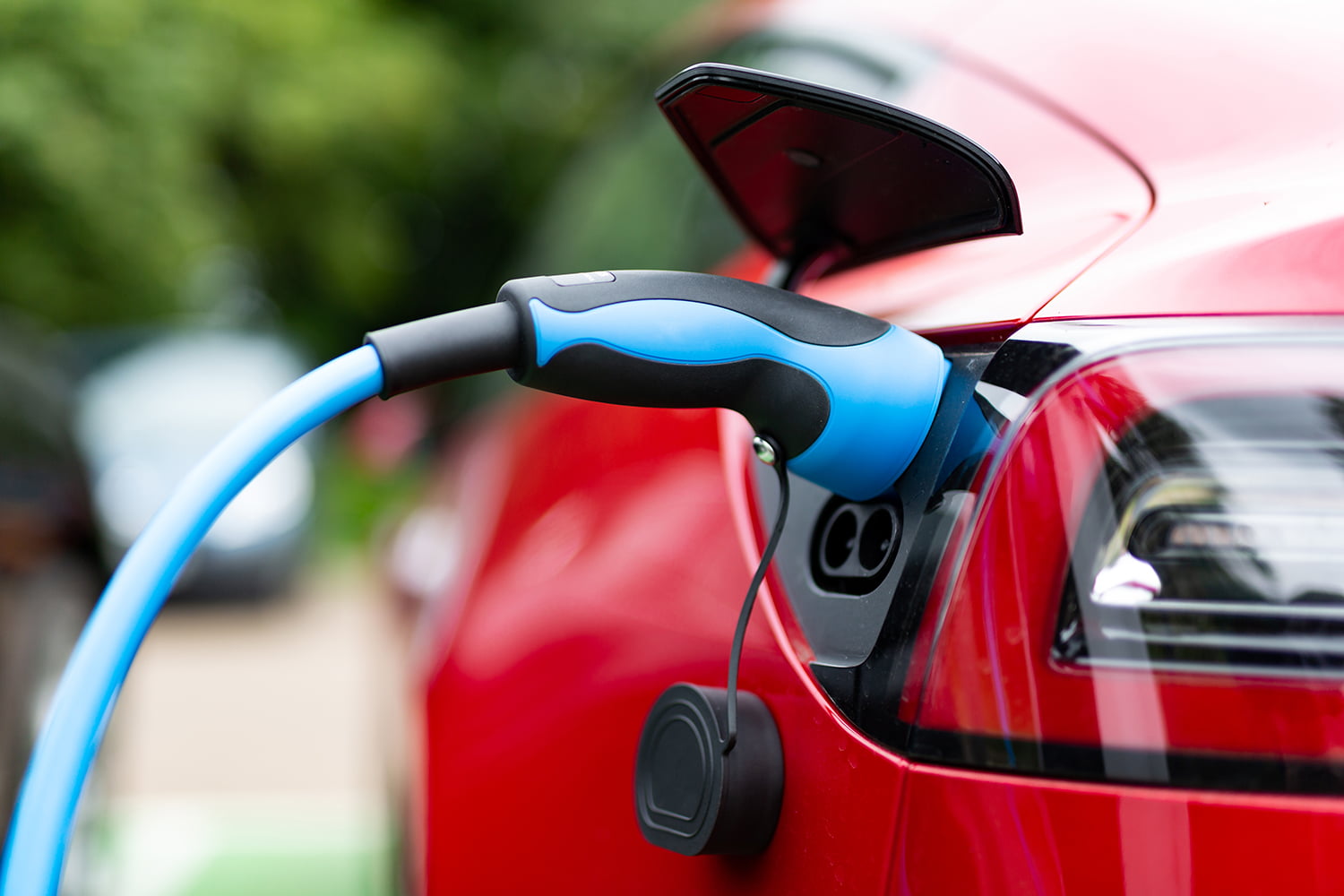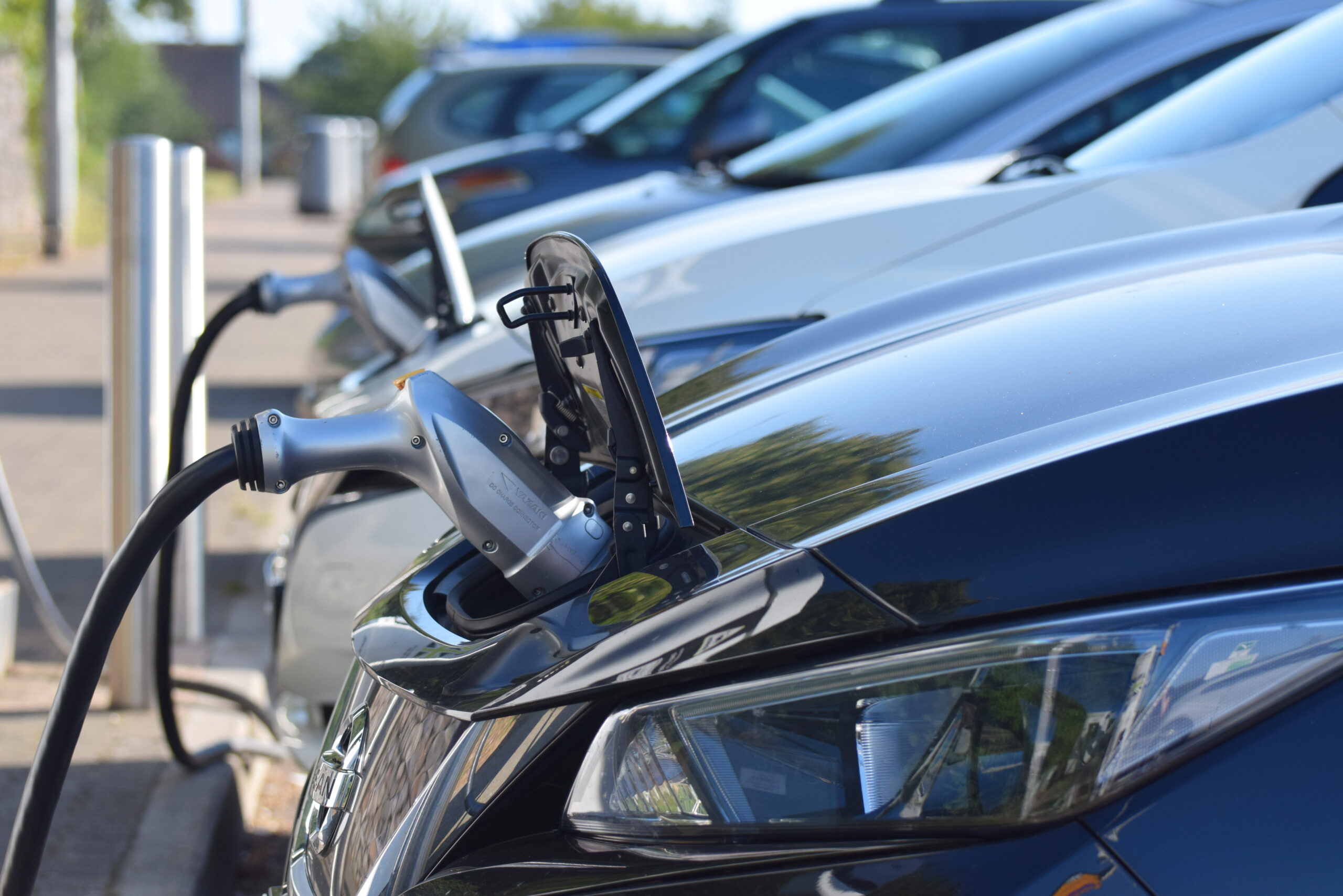

Britain’s two millionth all-electric car was registered in April, according to SMMT’s latest new car market data published this week – an impressive achievement that reflects the UK’s status as one of the world’s leading EV markets. This progress has been driven by sustained industry investment, with more than 160 competitive EV models now on sale. The milestone was reached in a resurgent April market, with EV registrations up 59.1%, albeit compared with an unusually weak performance last year when the application of VED and the Expensive Car Supplement on EVs saw many buyers pull purchases forward to March.
April is, of course, a traditionally a lower volume month that does little to move the dial in a full-year context, so despite the headline positivity, concerns remain over the pace of the transition. Year-to-date battery electric car market share has crept up by just half a percentage point to 23.1%, still well short of the 33% target set by the ZEV mandate, with an underperforming first quarter leading to a downward revision of the industry outlook this year and next. The latest outlook anticipates a BEV share of 26.8% by the end of 2026 (against an overall new car market forecast which is up 3.6% to 2.093 million units), before rising to 32% next year against a mandate target of 38%. Demand is even softer in the new van market, with BEV’s expected to reach just 11.1% of sales this year – less than half the 24% mandated.
The persistent gap between regulatory ambition and real-world demand stems from significantly tougher global economic conditions than those anticipated when the mandate was designed. And while the current oil crisis may fuel renewed interest in EVs, it is uncertain whether this will have a lasting material effect, especially given parallel pressures on cost of living and consumer confidence. Meanwhile, manufacturers are increasingly dependent on funding massive discounts to avoid regulatory penalties – a strategy that is clearly unsustainable. Furthermore, the option of credit purchases from competitors – which has been evident in the recently finalised 2024 compliance period – may also be constrained by a lack of liquidity in the market as so many brands struggle to hit targets.
This situation threatens both the industry’s viability and Britain’s broader decarbonisation goals. As other major international markets adapt to evolving geopolitical dynamics and economic realities, it is crucial that the UK undertakes its own holistic review – else the country’s competitiveness as a market and investment location will suffer.
SMMT remains committed to championing the automotive sector, and encouraging investment into the UK. Our flagship International Automotive Summit on 30 June will bring together industry leaders and policy makers to discuss the industry’s opportunities, and challenges – from trade and supply chains to decarbonisation and growth. We’re delighted to announce this week that Chris Giles, economics commentator at the Financial Times, will again provide a keynote, with more exciting speakers to be revealed soon. This event is not one to miss, so book your place here before it goes.
SMMT Update
Sign up
Sign up to the SMMT Update Newsletter for weekly automotive news and data
"*" indicates required fields