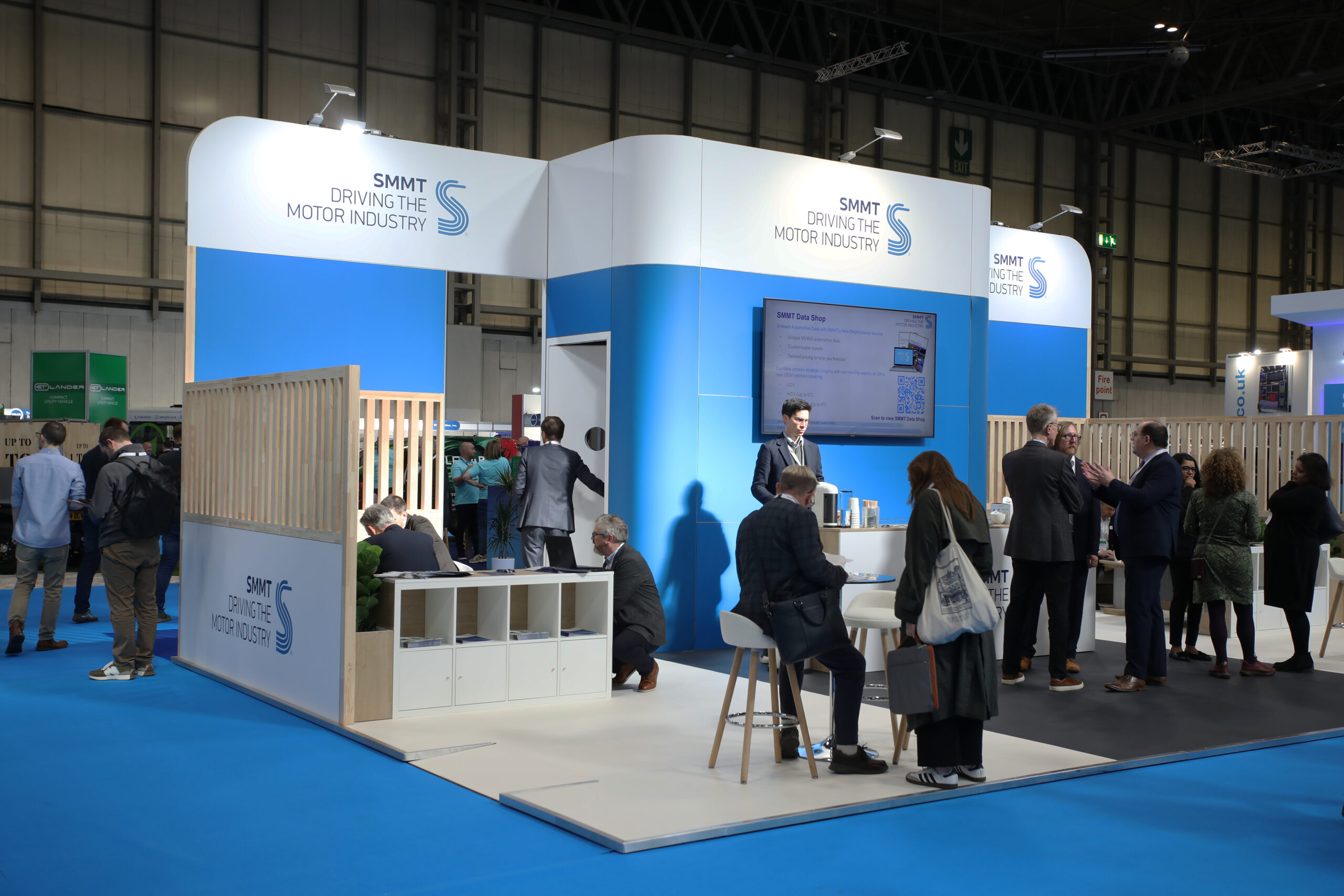
Recent figures published by the Society of Motor Manufacturers and Traders (SMMT) show that electric HGV registrations rose by 171% year-on-year in the UK in 2025.
While zero emission trucks still account for 1.4% of the overall HGV market – 587 vehicles out of 40,504 total registrations – the rate of growth signals accelerating momentum across the sector.
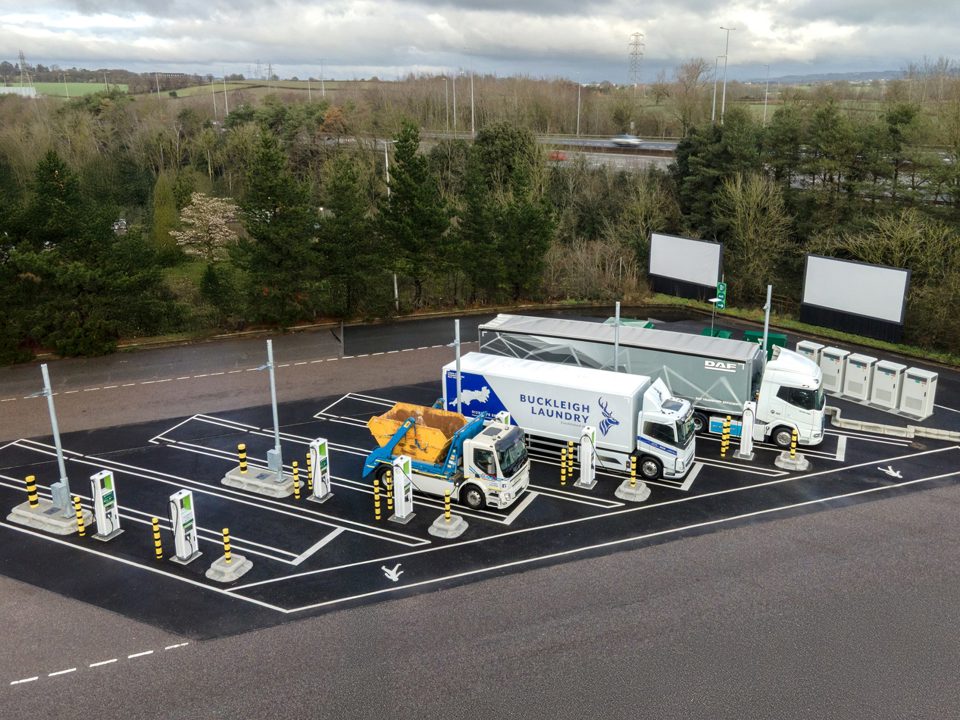
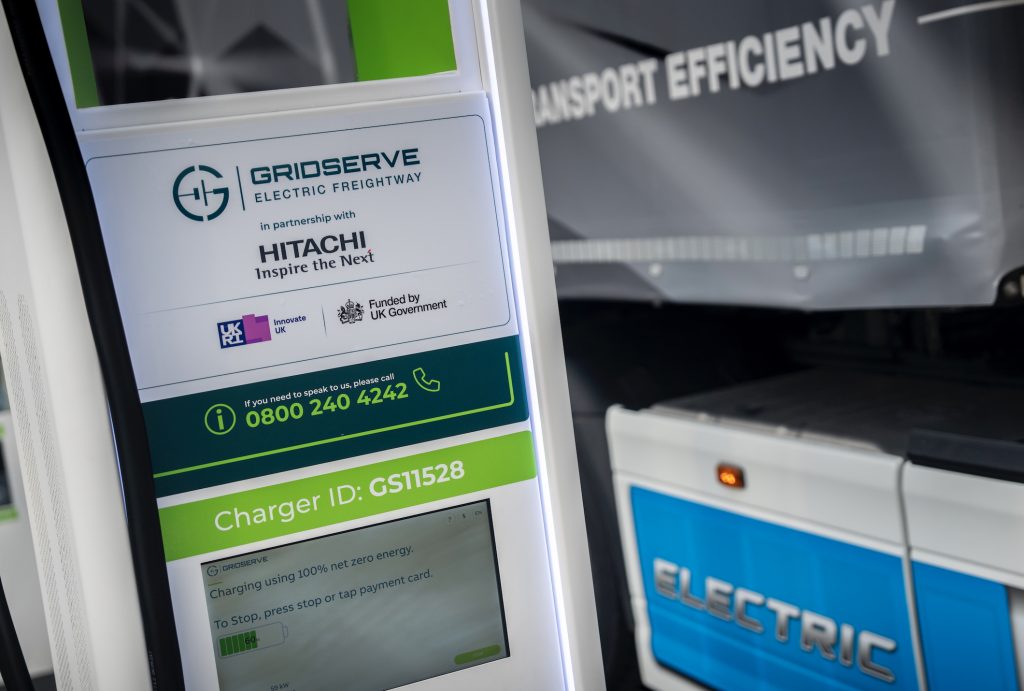
Of these 587 zero emission HGVs registered, 161 were delivered through the Gridserve Electric Freightway, a project that is part of the Zero Emission HGV and Infrastructure Demonstrator (ZEHID) programme, funded by the Department for Transport (DfT) and delivered in partnership with Innovate UK.
It brings together more than 30 industry partners, led by charging specialist Gridserve, to accelerate the adoption of electric HGVs and the development of supporting charging infrastructure.
Sam Clarke, Head of the eHGV Programme for Gridserve, said: “Infrastructure remains one of the most significant challenges facing the heavy goods sector.
“Electric Freightway’s integrated approach is helping to de-risk the transition by ensuring charging availability keeps pace with vehicle rollout.
“It’s still early days and there is much more to do, but with strong year-on-year growth and expanding infrastructure, we’re clearly seeing the advantages of such collaboration between industry and UK Government.” This year, Gridserve has expanded its dedicated eHGV charging infrastructure across key depot hubs and the strategic road network.
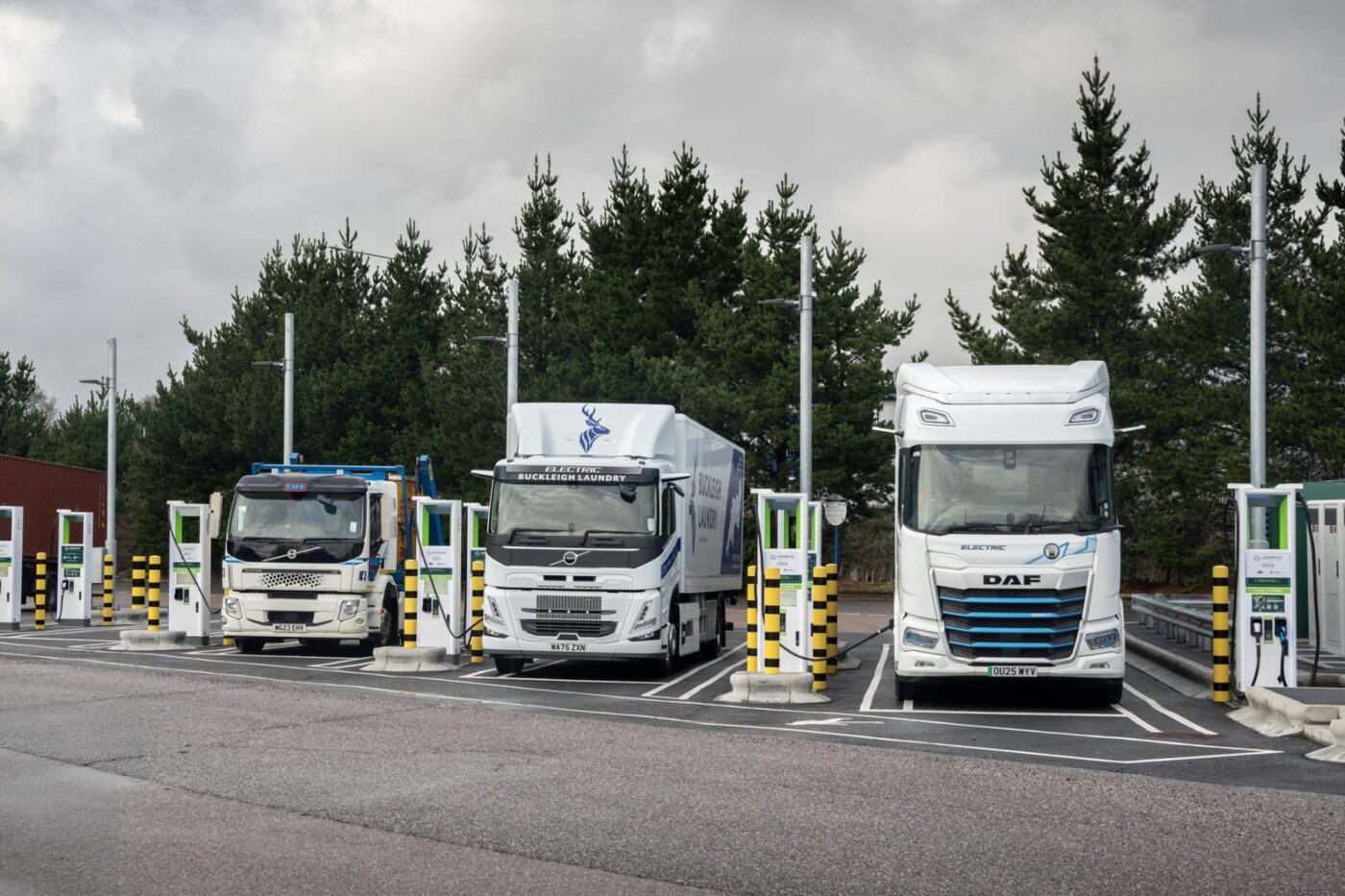
Newly confirmed locations at Moto Knutsford North, Moto Medway East, Markham Vale Electric Forecourt and Stevenage Electric Forecourt have extended dedicated ultra-rapid charging provision for electric freight into the North West, East Midlands and South East of England.
Positioned at key motorway service areas, as well as Gridserve’s owned and operated EV charging stations, the new hubs are specifically designed to welcome the largest eHGVs with dedicated bays, signage and superfast charging that optimises vehicle downtime.
The announcement follows the launch at the start of the year of the Electric Freightway’s first public eHGV hubs at Moto Exeter and Extra Baldock Services on the A1(M).
Also, another five eHGV hubs are currently under construction at Tamworth, Thurrock, Leeds, Chester and Strensham North.
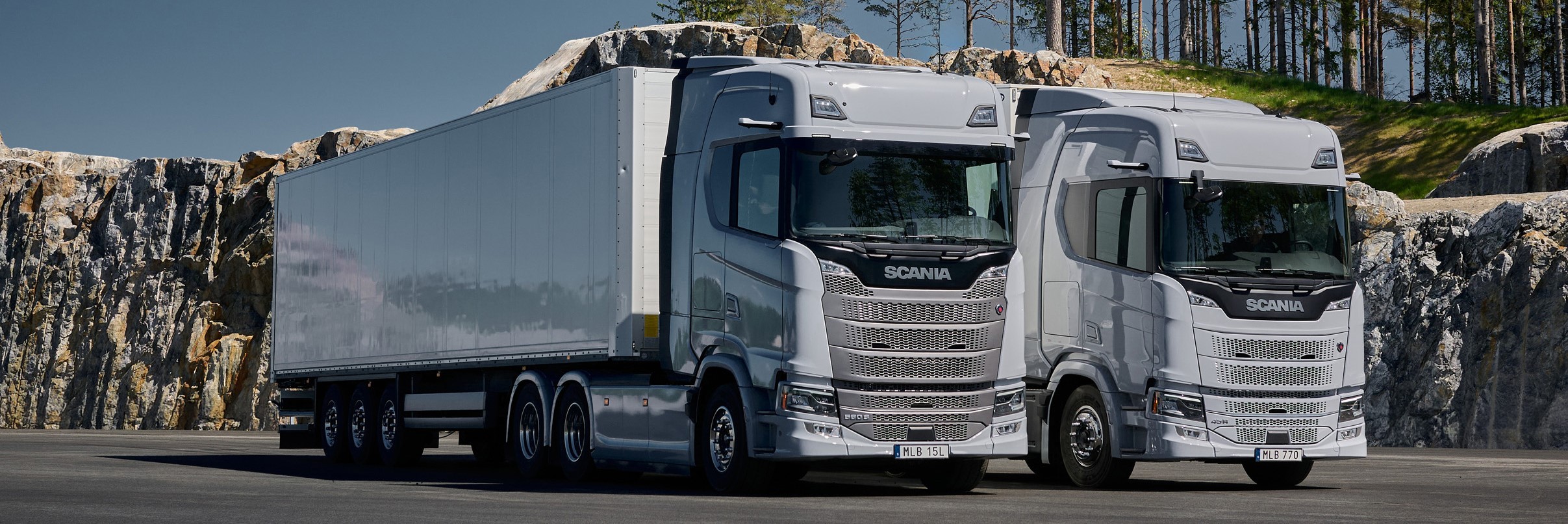
The increase in registrations comes as operators benefit from growing vehicle choice, with 21 zero emission truck models now available, including vehicles provided by consortium members DAF Trucks, Volvo Trucks, Renault Trucks and Daimler Trucks.
As manufacturers scale production of eHGVs and total cost of ownership continues to improve, the availability of reliable, strategically located charging infrastructure will be critical in unlocking widespread adoption.
By delivering access to vehicles as well as to reliable, high-power charging infrastructure in parallel, the Electric Freightway project – which is due to run until 2030 – enables operators of all sizes to move beyond small-scale trials and into meaningful, real-world deployment.
Louis Jones, EV and Connected Services Director at DAF Trucks, said: “We’re not just trialling electric; we’re proving it works and can even demonstrate a better total cost of ownership than diesel.
“Like the Gridserve Electric Freightway, our nationwide network of UK dealers is also increasingly EV-ready, with more than 200 IMI Level 3 electric vehicle technicians in training, 180kW charging facilities being installed at our sales locations and a nationwide DAFaid coverage.”
Meanwhile, Hitachi ZeroCarbon and Gridserve recently published the fourth Electric Freightway project report, revealing that a single eHGV could cut about 1,000 tonnes of carbon emissions by 2034, when compared with a diesel equivalent.
In addition, the report highlighted the progress made during the programme, with eHGVs now deployed across 25 haulage operations and operating on real-world logistics routes around the UK.
Participating fleets have collectively tracked more than two million zero-emission kilometres, generating valuable insights into how electric trucks perform in day-to-day freight operations.
Leon Clarke, Head of Operations and Delivery at Hitachi ZeroCarbon said: “Electric Freightway demonstrates what can be achieved when industry partners come together with a shared ambition to decarbonise road freight.
“The collaboration between hauliers, infrastructure providers and technology specialists has been key to getting electric trucks on the road and generating real-world insights that will help the industry achieve its long-term net zero goals.”
Also, the report examined the evolving business case for electric freight, showing that eHGVs can achieve cost parity – and potentially cost savings – in certain operating conditions, particularly where fleets operate high annual mileage and optimise charging between depot and en-route infrastructure.
It also highlighted growing driver confidence, with many reporting positive feedback on vehicle performance and drivability once they gain hands-on experience with electric trucks.
Nick Day, Director of Distribution, UK at ADM Milling, an operator involved with the project said: “As a business, we are constantly seeking more sustainable solutions to service our customers’ needs and have been exploring ways to improve energy efficiency and reduce greenhouse gas (GHG) emissions in our manufacturing processes for many years now.
“While we still have more work to do to fully embed eHGVs within our operation, we are encouraged by the progress we’ve made so far and the ZEHID project has been a great opportunity for us to gain hands-on experience operating them.”
With the initial deployment phase now complete and EVs operating across a range of fleets, the Electric Freightway project will now focus on collecting long-term operational data, refining charging strategies and continuing to support the switch to zero-emission road transport.
Insights from the project will therefore help fleet operators, policymakers and industry stakeholders better understand how to scale eHGV adoption across the UK and build the right infrastructure to help transport operators meet their electrification objectives.