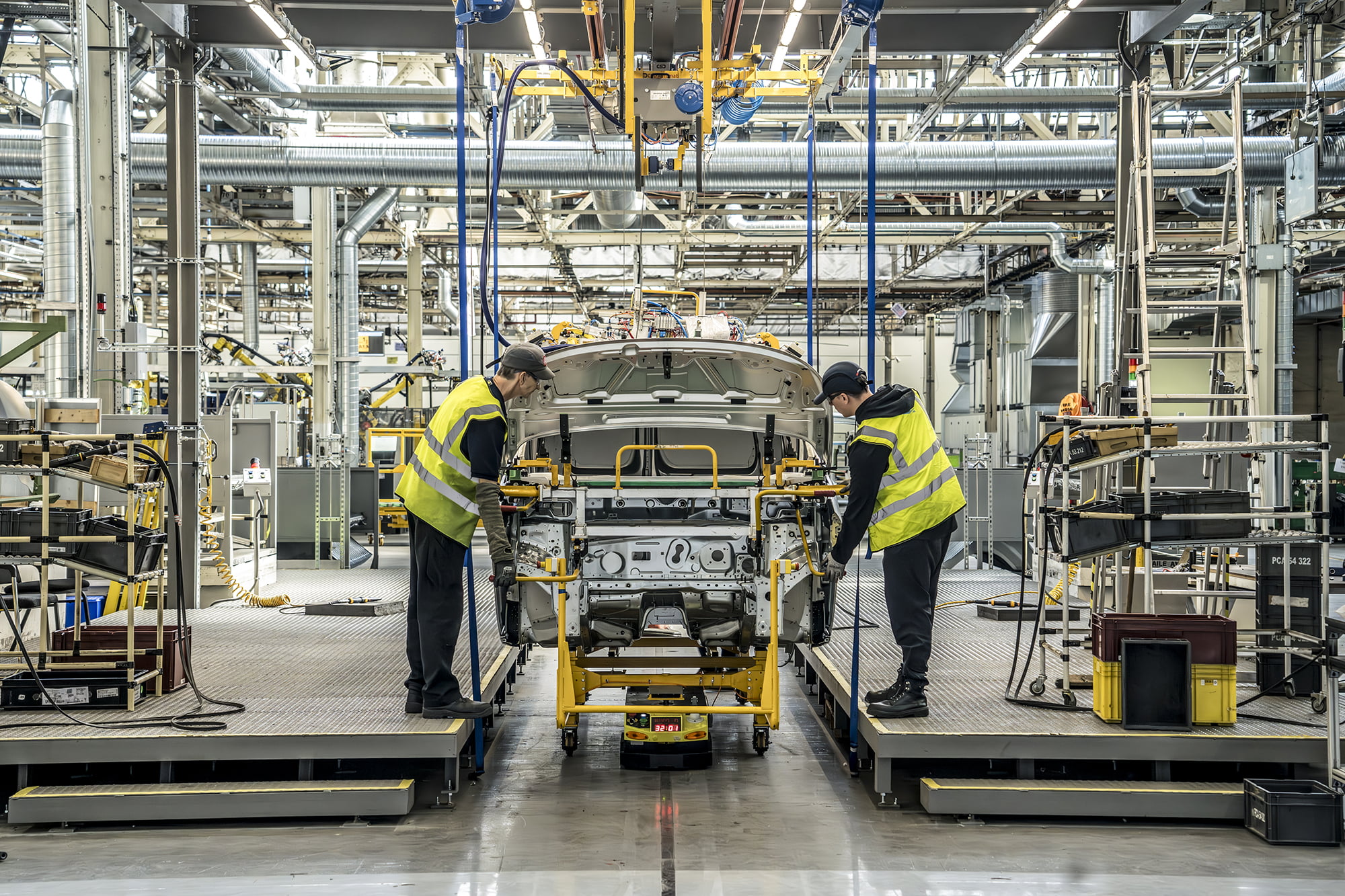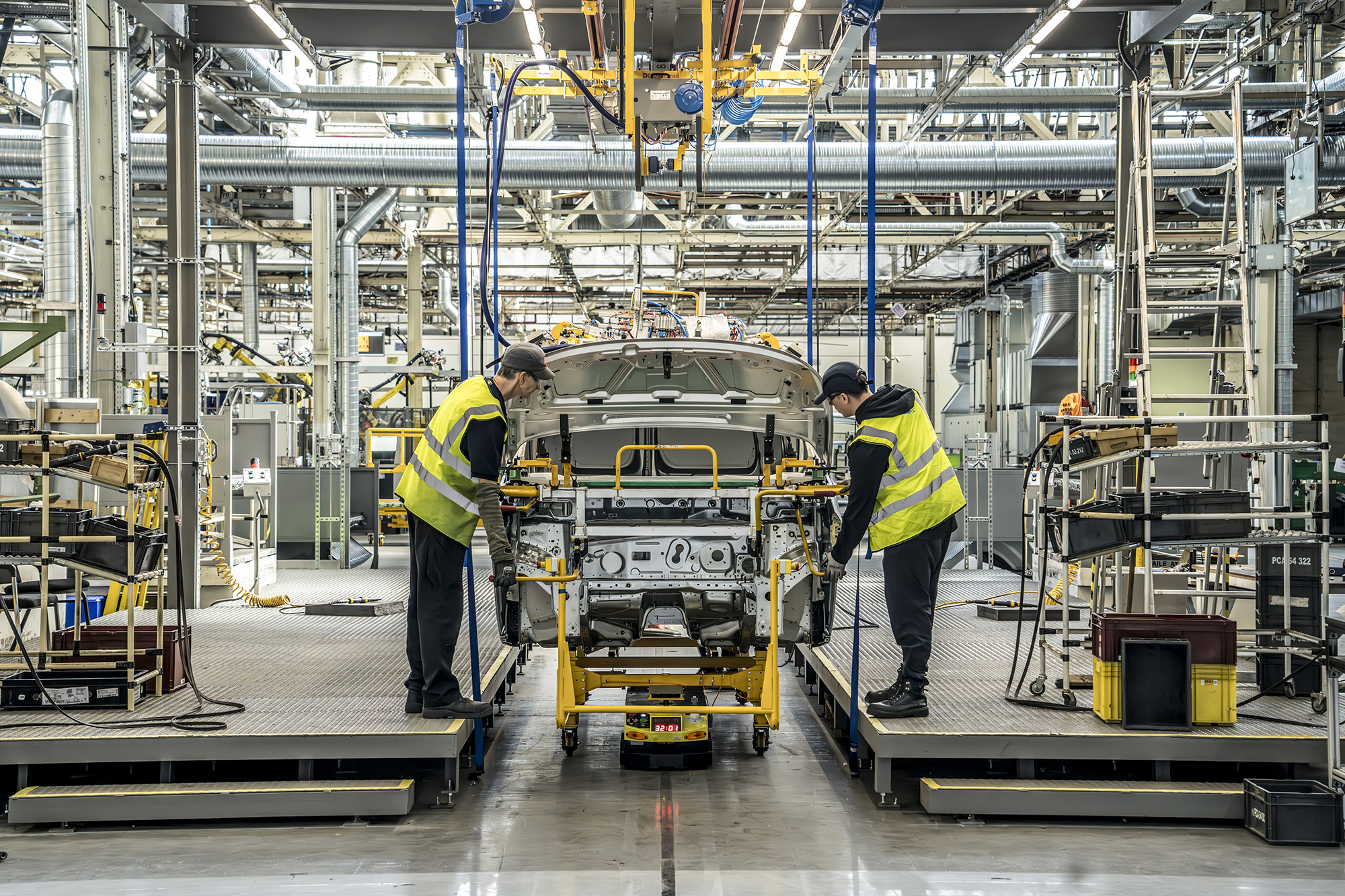

February’s decline in UK vehicle production, down -17.2%, highlights how difficult conditions are for manufacturers – not just in Britain but across Europe and beyond. Weak global demand for new vehicles, ongoing model changeovers and a major plant restructuring continue to dampen volumes and the immediate outlook is uncertain, particularly since these figures pre-date the crisis in the Middle East, the impact of which, if the conflict is prolonged, could be significant.
The sector is already under pressure, not least because of EU industrial policy proposals that are set to disadvantage UK-built vehicles and components in our largest market. As drafted, ‘Made in Europe’ rules risk undermining our highly integrated cross-Channel automotive trading relationship worth almost £70 billion a year.
Governments must instead work together to extend full, trusted partner status to the UK automotive sector, which would drive economic growth and security across Britain and Europe, supporting rather than risking jobs and improving industrial competitiveness amid multiple global headwinds. This would also ensure choice and affordability for consumers, particularly of zero emission vehicles, on both sides of the Channel.
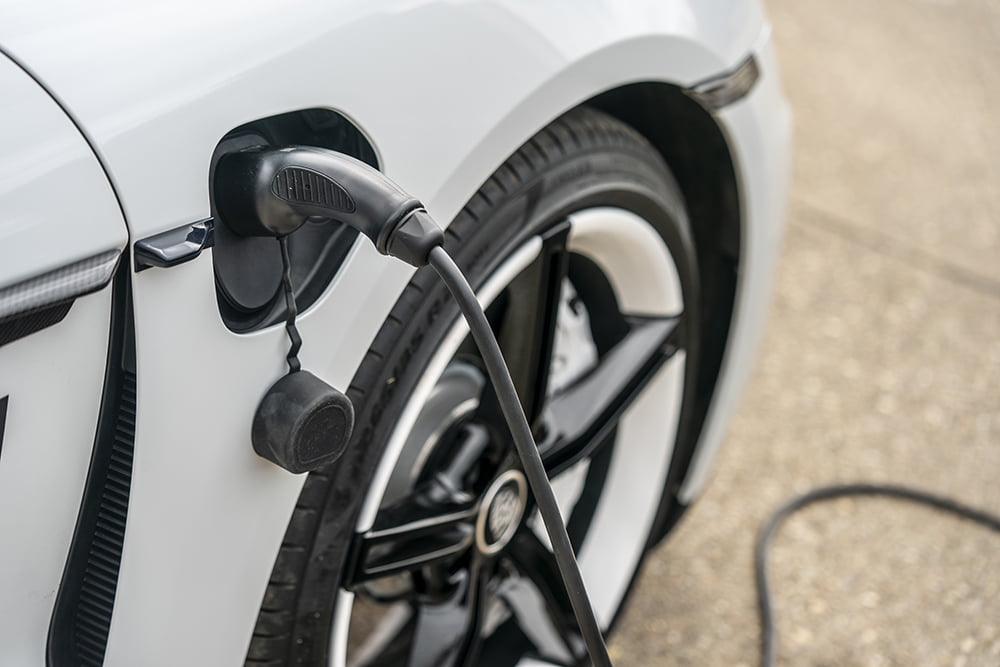
Despite all the headwinds, the UK automotive sector continues to invest in decarbonisation, with electrified vehicles accounting for 40.4% of car output last month – an uplift on February 2025. Most of these models are exported to Europe and last year Britain reciprocated by importing more than 290,000 battery electric vehicles (BEVs) from the EU, covering 61.6% of the UK BEV market.
The industry’s commitment to producing zero emission vehicles (ZEVs) is clear, so confirmed long-term funding for zero emission vans and trucks announced by the UK government this week, along with support for depot charging, is hugely welcome. Transitioning this sector depends on operator confidence to invest and government support is the clearest sign that ZEVs are the right choice.
To accelerate demand, however, so that ambitious mandated van sales targets are met and the ZEV truck market moves beyond its infancy, these measures must be complemented by enablers – grid connection prioritisation, dedicated commercial vehicle charging infrastructure, and regulation that reflects the diversity of operators’ uses and requirements.
In these challenging times, a clear, focused strategy that is fully aligned with the UK’s competitiveness and growth ambitions can drive decarbonisation while ensuring we retain a resilient automotive sector on which the economy – and society – can depend.
SMMT Update
Sign up
Sign up to the SMMT Update Newsletter for weekly automotive news and data
"*" indicates required fields