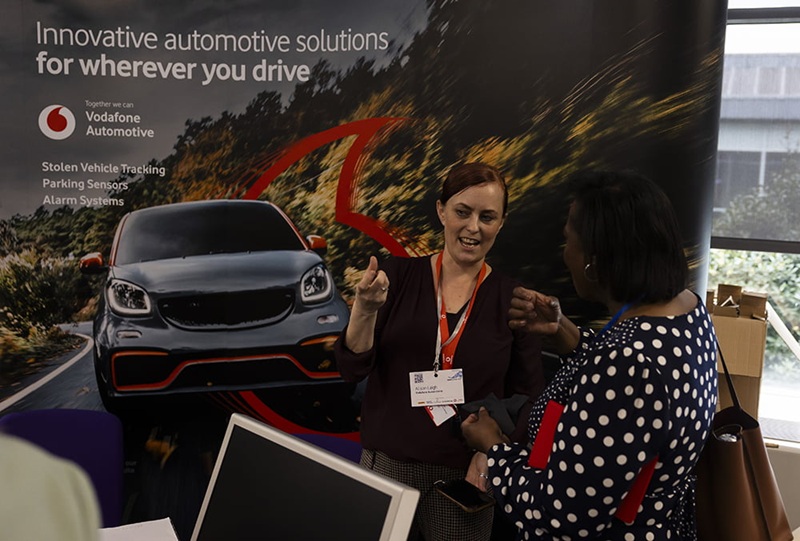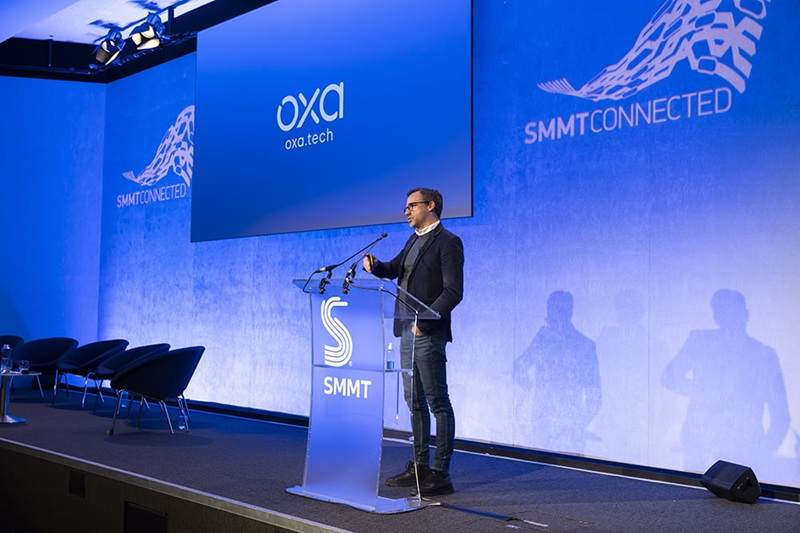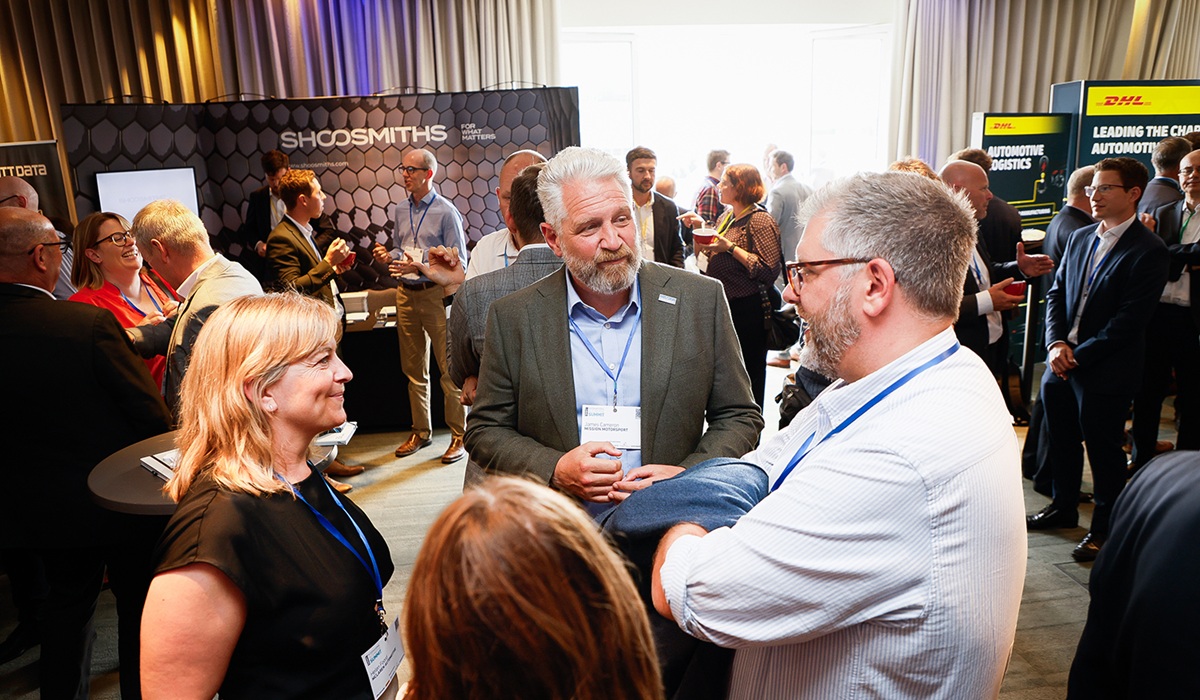
Participating as a trade show exhibitor within the automotive sector calls for careful planning, technical understanding and a clear commercial focus. Industry events bring together manufacturers, suppliers, technology providers, policymakers and media, creating a concentrated environment in which reputations are strengthened and partnerships are formed.
For organisations seeking structured, high-profile opportunities, the Society of Motor Manufacturers and Traders (SMMT) provides access to tailored partnerships and exhibiting platforms across its established programme of events. These initiatives are designed to connect businesses with key decision-makers across the UK automotive ecosystem, offering visibility within a credible and professionally managed environment.
This guide sets out a practical checklist for trade show exhibitor preparation, from objective setting through to post-event review, to support effective participation at automotive trade shows.
Setting Objectives Before Exhibiting
Before committing to exhibition space, clarity of purpose is essential. A trade show exhibitor should define measurable objectives aligned to wider business strategy. These may include:
- Generating qualified leads within a defined segment, such as OEM procurement teams or fleet operators
- Launching a new product or technology to a targeted industry audience
- Strengthening brand positioning within the UK automotive supply chain
- Building relationships with policymakers or industry stakeholders
Objectives should be specific and linked to metrics such as the number of qualified conversations, booked follow-up meetings or partnership enquiries. Establishing these targets in advance informs decisions on stand design, staffing levels and marketing activity.
Pre-Event Planning
Effective pre-event planning underpins the success of any trade show exhibitor. Once objectives are confirmed, attention should turn to operational preparation.
Stand Design and Messaging
The stand should communicate a clear proposition within seconds. Automotive trade shows are often technically focused environments, so messaging must balance visual impact with substance. Technical specifications, certifications and case studies should be readily accessible, either in printed form or via digital displays.
Consistency between on-stand messaging, website content and pre-event communications supports brand coherence. Visitors who have seen pre-event announcements should immediately recognise the organisation’s presence on arrival.
Logistics and Compliance
Automotive events frequently involve complex logistics, particularly where vehicles, large components or live demonstrations are involved. Early coordination with organisers ensures compliance with venue regulations, health and safety requirements and insurance obligations.
A comprehensive checklist for trade show exhibitor logistics may include:
- Transport arrangements for vehicles or equipment
- Risk assessments and method statements where required
- Electrical and connectivity requirements
- AV equipment testing
- Stand construction schedules
Documenting these requirements well in advance reduces the risk of last-minute adjustments that can affect presentation quality.
Pre-Event Marketing
Promotion should begin well before the exhibition opens. This may involve:
- Email invitations to existing clients and prospects
- Social media announcements referencing stand location
- Appointment scheduling with key contacts
- Press briefings where relevant
For organisations exhibiting through SMMT, leveraging the association’s established networks and event communications can extend reach within the automotive community.
Automotive Trade Show Exhibitor Checklist
The following checklist for trade show exhibitor preparation can serve as a structured reference point:
Strategic Preparation
- Defined objectives and success metrics
- Agreed target audience segments
- Budget allocation covering stand, staffing and marketing
Stand and Materials
- Branded stand graphics aligned with corporate identity
- Updated brochures, technical datasheets and business cards
- Demonstration materials or product samples
- Lead capture system, digital or manual
Operational Readiness
- Confirmed build and breakdown schedule
- Health and safety documentation
- Connectivity tested for presentations or data capture
- Insurance and compliance documentation in place
Marketing and Communications
- Pre-event promotional campaign launched
- Meetings scheduled in advance
- Press materials prepared where applicable
Measurement Framework
- Lead qualification criteria agreed
- Data capture process established
- Post-event follow-up plan documented
Using a structured automotive trade show exhibitor checklist enables teams to approach the event with confidence and clarity.
Preparing the Team
Even the most carefully designed stand relies on informed and prepared representatives. Visitors to automotive trade shows expect knowledgeable engagement, particularly when discussing complex engineering, regulatory or supply chain topics.
Training and Briefing
All stand personnel should understand:
- The organisation’s key messages and value proposition
- Target customer profiles
- The defined objectives for the event
- The agreed process for capturing and qualifying leads
Briefing sessions prior to the event can include scenario discussions and anticipated questions, ensuring consistent messaging across the team.
Role Allocation
Defined responsibilities support a more coordinated presence on the stand. Some team members may focus on technical discussions, while others manage lead capture and appointment scheduling. Senior representatives can be identified for high-level stakeholder meetings.
Professional conduct and consistent presentation reinforce brand perception. This is particularly relevant when exhibiting under the umbrella of SMMT events, where industry leaders and policymakers are often present.
Common Mistakes to Avoid When Exhibiting at Trade Shows
Understanding common mistakes to avoid when exhibiting at trade shows can prevent avoidable inefficiencies.
Lack of Defined Objectives
Without clearly defined goals, it becomes difficult to judge whether exhibiting has delivered meaningful value. Setting specific targets in advance, such as the number of qualified conversations or meetings secured, provides a clearer sense of direction and outcome.
Overloading the Stand with Information
Automotive audiences appreciate substance, yet too much material presented at once can distract from the core message. Focused, well-structured information allows conversations to develop more naturally and purposefully.
Insufficient Staffing at Peak Times
Visitor flow tends to rise and fall throughout the day. If the stand is under-resourced during busy periods, valuable discussions may be rushed or missed. Planning ahead helps ensure consistent engagement.
Weak Lead Qualification
Simply collecting business cards is rarely enough. Agreeing in advance on how prospects will be categorised and followed up supports more effective post-event communication.
Delayed Follow-Up
Interest generated at a trade show can fade if follow-up is left too long. Timely, considered contact helps maintain continuity and reinforces the professionalism demonstrated during the event.
By considering these common mistakes to avoid when exhibiting at trade shows, organisations can strengthen their overall performance as a trade show exhibitor.
Post-Event and Performance Review
The value of exhibiting extends beyond the event itself. A structured post-event review consolidates insights and informs future participation.
Lead Analysis
Review the contacts gathered and group them using the agreed qualification criteria. Measuring these against the original objectives provides a clearer sense of how effectively the event performed.
Financial Assessment
Compare the total cost of exhibiting with the outcomes achieved, whether in confirmed revenue, pipeline value or new strategic relationships. This helps form a balanced view of return.
Team Debrief
Bring the team together to reflect on what worked well and what could be refined. Insights on visitor engagement, competitor presence and industry themes can inform future planning.
Long-Term Relationship Building
Follow-up conversations, meetings and demonstrations should build on the connections made at the event. Sustained engagement turns initial discussions into longer-term commercial value.
For organisations seeking structured, high-visibility opportunities within the UK automotive sector, SMMT’s tailored partnership and exhibiting platforms provide access to a credible and influential audience. By approaching participation with a clear checklist for trade show exhibitor preparation and a disciplined review process, businesses can position themselves effectively within a competitive and evolving industry landscape.
Careful preparation, informed representation and systematic follow-up remain central to achieving meaningful outcomes as a trade show exhibitor in the automotive sector.
SMMT offers a number of tailored partnerships and exhibiting opportunities in the automotive industry for both members and non-members to help their businesses grow. These opportunities include physical events in the UK and key international markets, as well as webinars and reports.

Find out how your company can partner with SMMT.
"*" indicates required fields