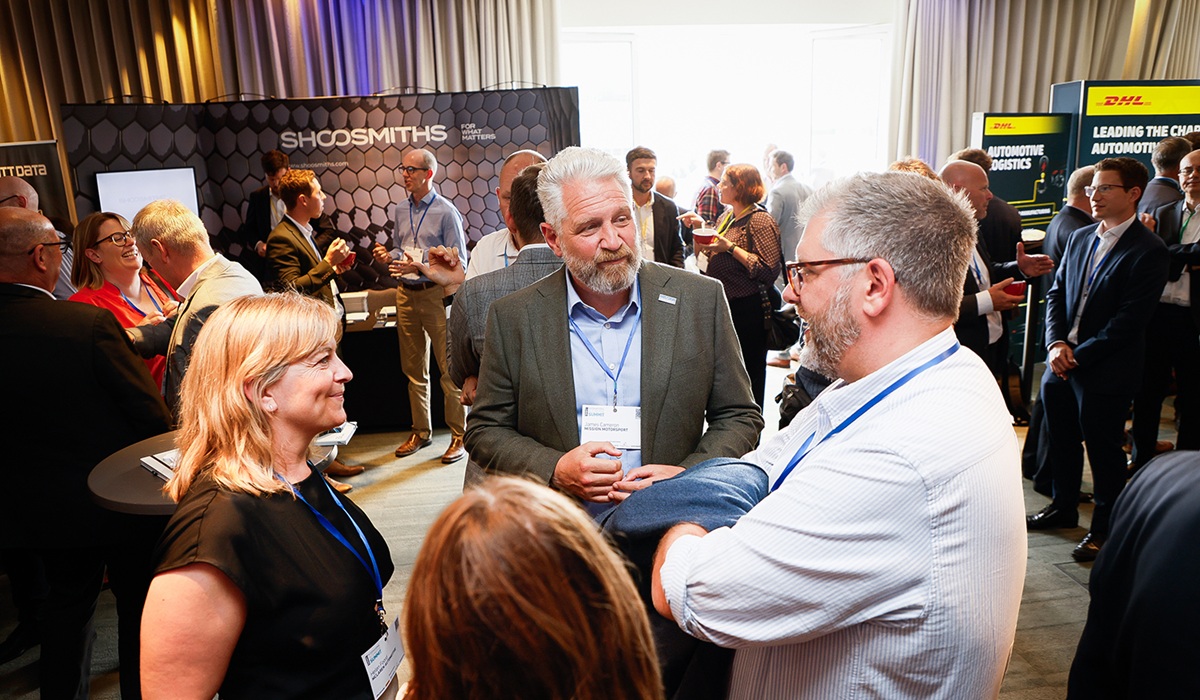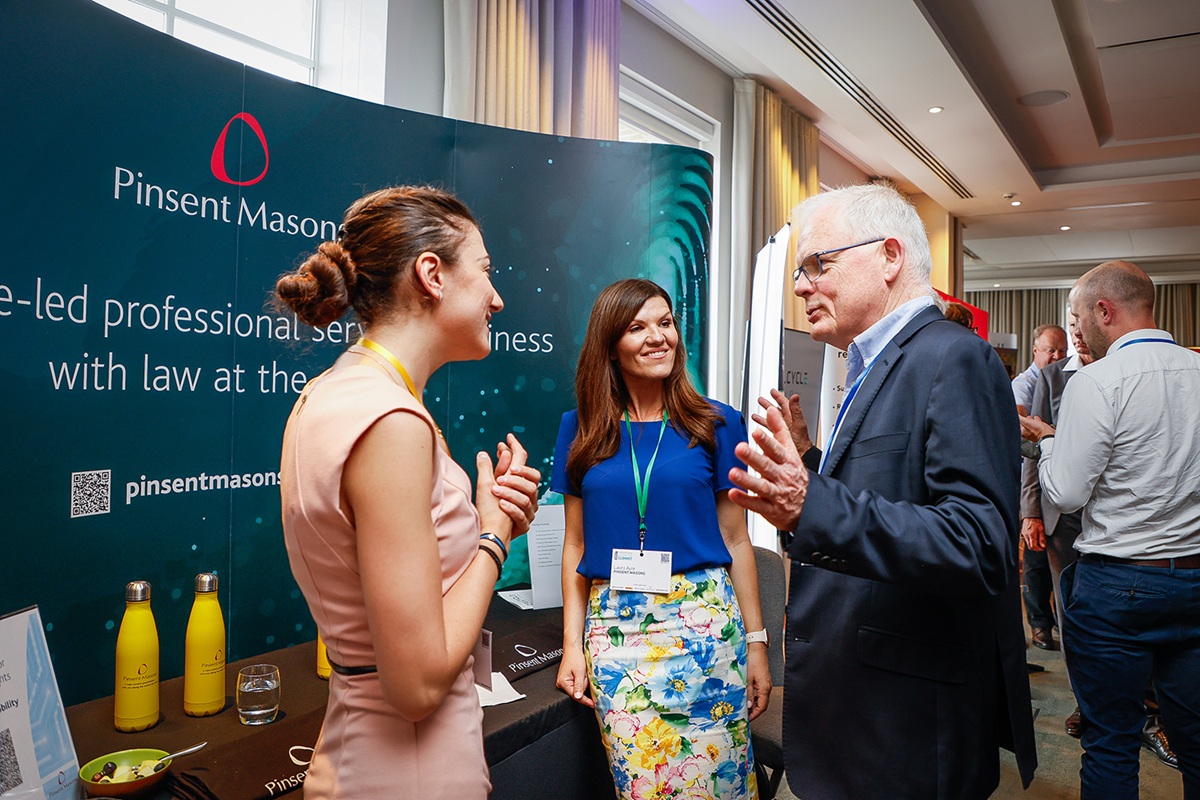
Automotive events in the UK are frequently viewed as opportunities to showcase products and capabilities. While that visibility is important, much of their value comes from the conversations that take place around the exhibition floor. They bring together individuals who shape production decisions, procurement strategies and policy direction across the sector, creating a setting where commercial and strategic discussions can move forward.
For businesses, an automotive networking event therefore extends beyond brand presence. It offers the opportunity to explain capability in context, explore areas of alignment and build credibility through informed dialogue. An exhibition stand may introduce a company, but it is often the quality of the discussion that determines whether a relationship progresses into something more substantial.
In the UK context, the Society of Motor Manufacturers and Traders (SMMT) plays a significant convening role. Its exhibitions and partnership programmes bring together manufacturers, suppliers, technology specialists and policymakers within a recognised industry setting. For organisations seeking structured engagement, this provides both visibility and context.
Why Networking at Automotive Events Is Critical
The automotive sector is built on relationships that develop over time. Supplier agreements often span the full lifecycle of a vehicle programme, and compliance requirements continue to evolve as regulations and technology advance. Investment decisions are therefore considered within a broader network of partners, standards and long-term commitments.
Automotive events bring together the individuals responsible for these decisions in a shared setting, which creates a level of access that is difficult to replicate elsewhere. When manufacturers, suppliers and technology providers are present at the same time, conversations move beyond surface introductions. Suppliers gain clearer insight into current manufacturer priorities, technology firms can assess market readiness for emerging solutions, and businesses are able to position their capabilities within the broader direction of the industry.
An automotive networking event also provides advantages that digital communication cannot fully match. Direct questions can be explored in context, with clarification offered immediately and nuance more easily understood. Areas of uncertainty are addressed quickly, and potential alignment can be explored while all parties are engaged in the same discussion rather than through extended correspondence.
Who You Should Network With
The scale and limited timeframes of most events make selectivity essential.
Vehicle manufacturers and OEM representatives are often at the centre of event engagement, although conversations at this stage are rarely about immediate commitments. More commonly, they offer insight into forthcoming programmes, evolving technical requirements and how suppliers are assessed. Even a brief exchange can clarify how a business should frame its capability for future discussions.
Beyond OEMs, the wider supply chain warrants equal attention. Tier 1 and Tier 2 suppliers regularly collaborate where their technical strengths align, and automotive events provide a practical setting to explore whether those alignments exist. A discussion initiated on the exhibition floor may later develop into a more detailed assessment of joint working, once both organisations have had time to consider scope and feasibility.
Technology and mobility specialists now form a significant part of UK automotive events. Developments in electrification, connectivity and digital manufacturing continue to influence design and production decisions, and engagement in these areas can inform both strategic planning and partnership direction.
Industry bodies and policymakers also shape the operating environment in which these relationships sit. Dialogue with SMMT and related stakeholders provides perspective on regulatory developments and sector priorities, while situating individual businesses within the wider context of UK automotive activity.
Preparing for Meaningful Engagement
Understanding how to network at a trade show begins well before arrival. Reviewing exhibitor lists and conference agendas helps identify who will be present and which themes are likely to shape discussion, making it easier to prioritise meetings rather than relying entirely on informal introductions.
It is equally important to be clear internally about what you hope to achieve, whether that involves exploring new supply opportunities, strengthening existing relationships or introducing a new capability to the market. That clarity should be matched by substance. Automotive professionals will expect accurate information on production capacity, relevant standards and prior experience, and the ability to respond confidently to detailed questions contributes directly to credibility.
Where several colleagues are attending, coordination in advance supports consistency in messaging and ensures that follow-up actions are clearly assigned. Organisations exhibiting through SMMT’s partnership programmes may also benefit from the additional structure these environments provide, particularly where networking forums and introductions are aligned with defined sector priorities.
Common Networking Mistakes
Even experienced teams can limit the value of an automotive networking event through small but avoidable missteps. The most common include:
- Attending without clear preparation. While informal introductions can be useful, relying entirely on spontaneity often means missing key stakeholders whose time is carefully managed.
- Approaching every discussion as a sales opportunity. Automotive relationships typically develop through informed dialogue and mutual understanding. Taking time to understand current challenges and priorities tends to create stronger foundations than immediate promotion.
- Failing to capture detail. Recording names, roles, areas of interest and agreed next steps ensures that follow-up communication is specific and relevant. Without this, promising conversations can lose momentum once the event concludes.
Maintaining Relationships After the Event
The close of an event is not an end point but the start of the next phase of engagement. Follow-up should be both timely and specific, referring back to particular aspects of the conversation so that contacts feel recognised rather than processed. Providing any requested information promptly reinforces professionalism and reliability.
Ongoing participation in industry events and forums helps maintain visibility over time. SMMT’s year-round programme, for example, creates further opportunities to reconnect in different settings and allows relationships to develop gradually rather than relying on a single meeting.
It is also worthwhile to review outcomes internally, considering which discussions aligned most closely with business objectives and where further engagement would be valuable. That reflection strengthens preparation for future automotive networking events and supports a more deliberate approach to long-term relationship building.
Automotive events in the UK provide concentrated access to the individuals shaping the sector’s direction. Understanding how to network at a trade show involves preparation, focus and consistent follow-up. When engagement takes place within established platforms such as SMMT, businesses can position themselves within a credible industry framework and build relationships that extend well beyond a single automotive networking event.
SMMT offers a number of tailored partnerships and exhibiting opportunities in the automotive industry for both members and non-members to help their businesses grow. These opportunities include physical events in the UK and key international markets, as well as webinars and reports.

Find out how your company can partner with SMMT.
"*" indicates required fields
Brand Partnerships in the Automotive Industry: Strategy, Examples and Opportunities
2 Jul 2026
The Benefits of Sponsoring an Automotive Industry Event
2 Jul 2026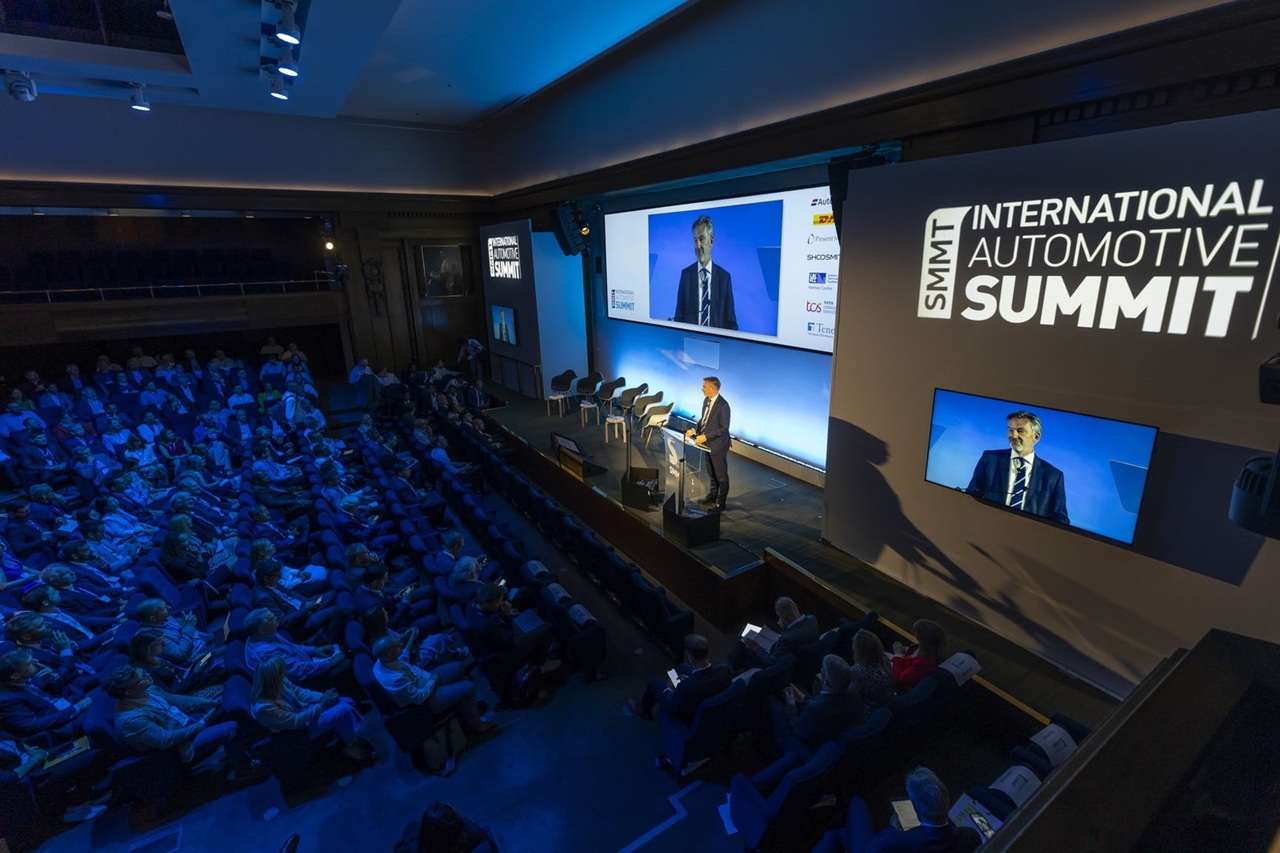
Why Sponsor a Conference in the Automotive Industry? A Guide for Brands
2 Jul 2026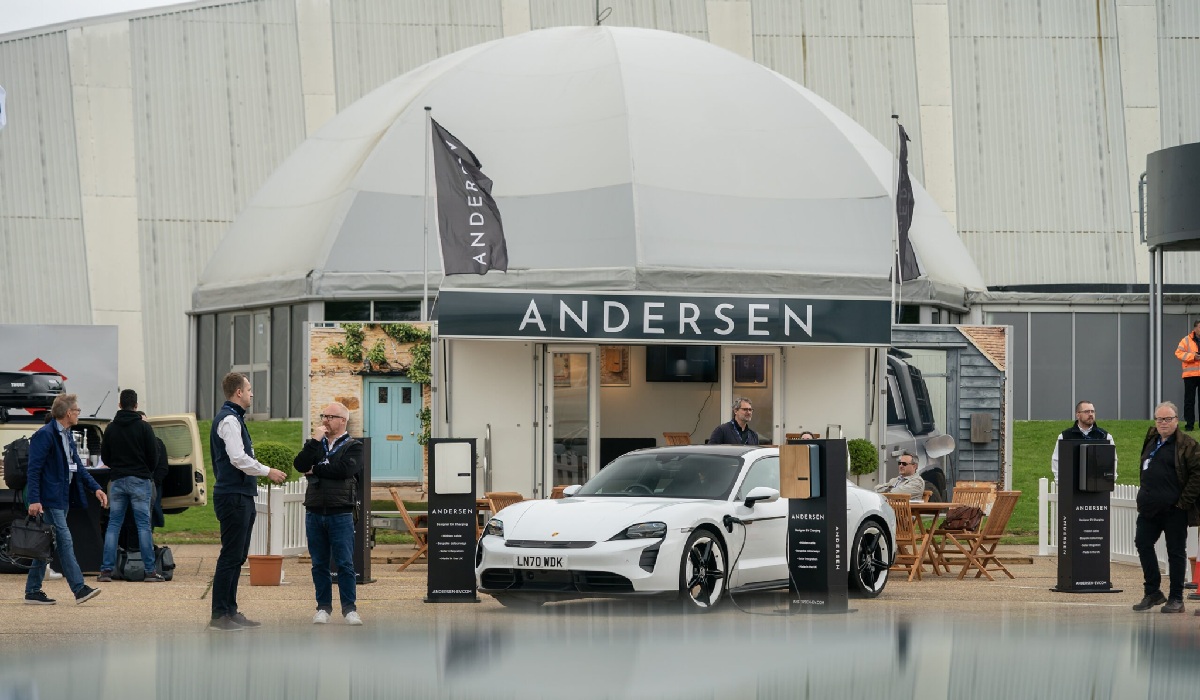
Exhibitor Checklist: What To Prepare For An Automotive Trade Show
1 Apr 2026