
The UK and Europe’s automotive industries are highly integrated and one another’s biggest trading partner, so SMMT was pleased to visit Brussels this week to meet stakeholders, policy makers and members, and host our annual European Spring Reception, highlighting the strategic importance of a closer UK-EU relationship.
Unlocking the full potential of the Trade and Cooperation Agreement is essential, compelled by increasing global uncertainty and geopolitical dangers. And the opportunity is immense – with both sides, despite Brexit, still each other’s largest automotive export market. For passenger cars alone, the relationship is worth an annual €39.7 billion to EU-based manufacturers, while the EU also sells €9.1 billion worth of automotive components to the UK for assembly and servicing every year – more than to any other global market, including the US and China.
The value of UK trade to the EU underlines why excluding the UK industry from the proposed Industrial Accelerator Act’s (IAA) ‘Made in Europe’ policy would inflict significant harm on both sides of the Channel, reducing output and supply chain demand, with consequences for consumer choice and affordability. The upcoming bilateral summit this summer is becoming a critical opportunity to ensure UK-built vehicles and components are considered equivalent to EU content for the purposes of the IAA, enhancing competitiveness, jobs, investment and innovation – the very essence of what the Act seeks to achieve.
Britain’s own competitive offering was made stronger this week with the publication of government’s final design of the British Industry Competitiveness Scheme (BICS) – a major win for automotive manufacturers for which SMMT and our members have long called. It promises to drive down UK industrial energy costs, which are among Europe’s highest, providing a decisive first step towards our longstanding priority for energy support across the manufacturing supply chain.
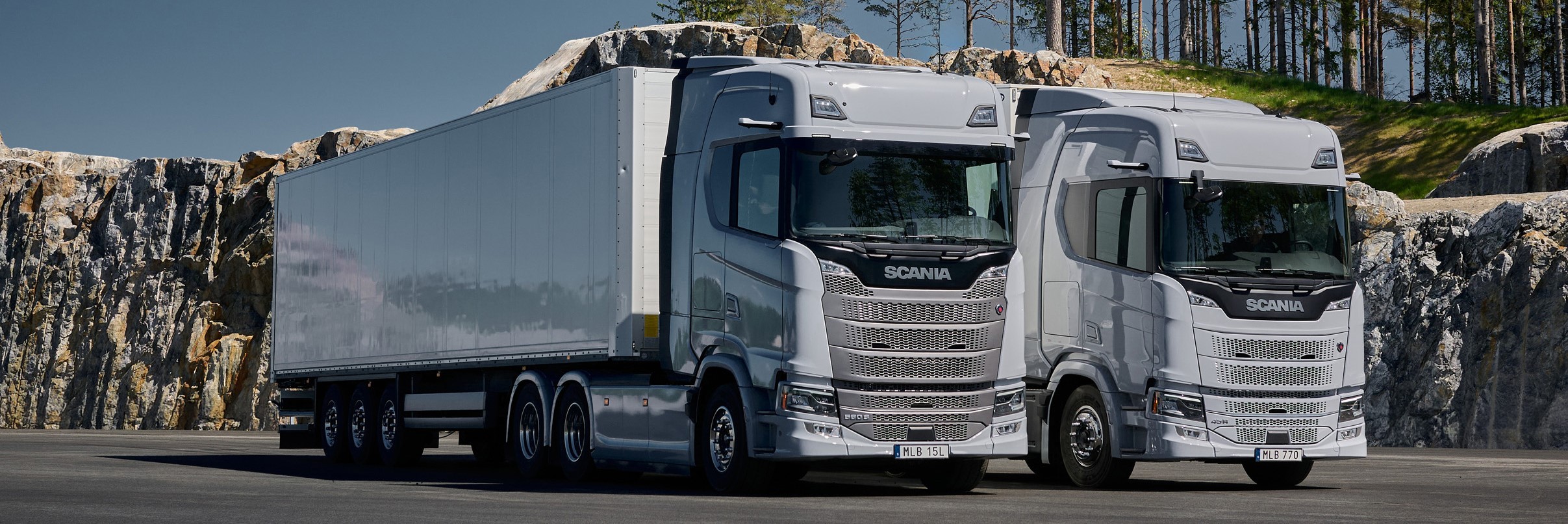
The UK has a widely diverse vehicle manufacturing sector covering not just cars and vans but trucks, buses, minibuses, coaches and specialist vehicles – all of which benefit from thriving UK and overseas markets. SMMT’s latest Q1 data shows heavy vehicle markets are adjusting amid a challenging global economic environment, with demand for new HGVs down by a slight -2.7%, while rollout of new buses, coaches and minibuses fell by a third on the back of two years of growth.
While buses continue to drive the country’s zero emission vehicle transition with a record market share of 37.3% in the first three months, adoption of the very greenest trucks declined to an overall share of just 0.9% from 1.4% last year. HGV manufacturers are already offering more than 40 different zero emission models in the UK, years ahead of natural demand. Operator confidence to invest, however, depends as much on wider issues – such as infrastructure – which is outside their control.
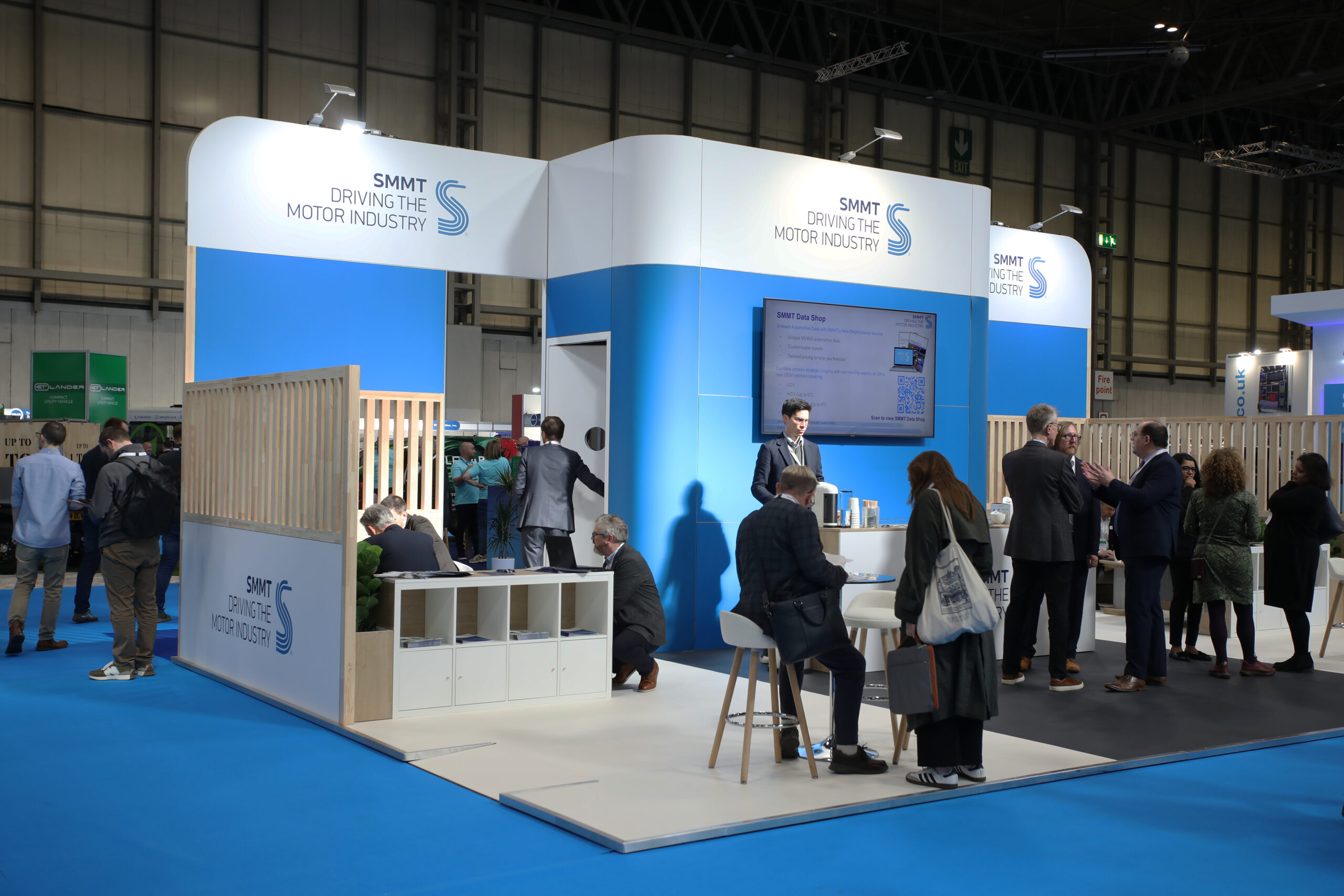
Cross-sector and government collaboration will be vital and a key opportunity comes next week, with the 26th edition of the Commercial Vehicle Show at the NEC from 21-23 April, for which SMMT is a strategic partner. The event is free to attend and for the first time, bus exhibitors will be present with the inaugural co-location of the Bus & Coach Expo – helping provide the joined-up, cross-sector approach the UK needs to decarbonise road transport while keeping the UK economy moving.
SMMT Update
Sign up
Sign up to the SMMT Update Newsletter for weekly automotive news and data
"*" indicates required fields