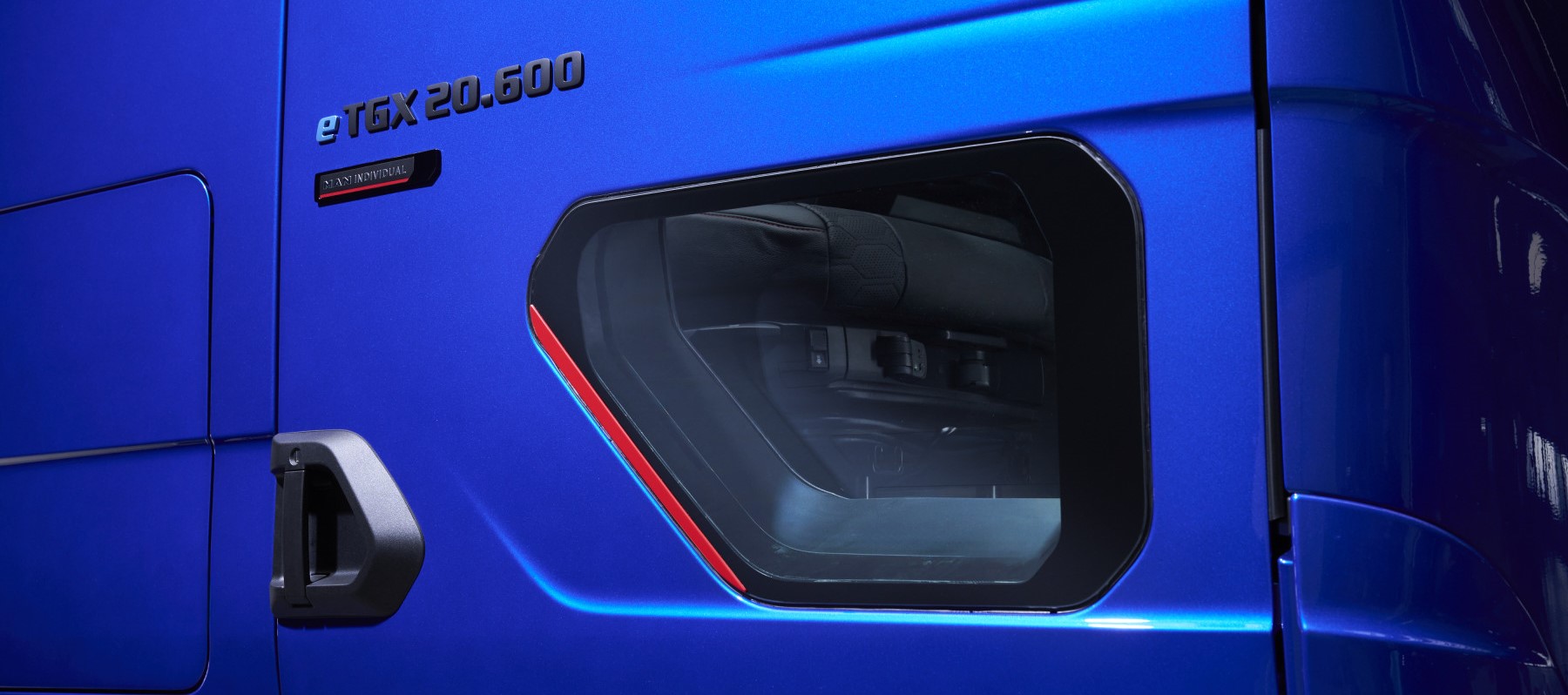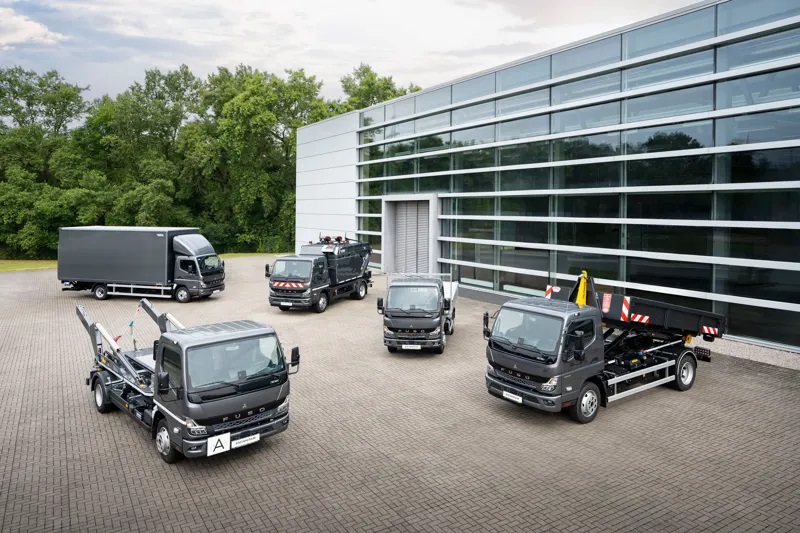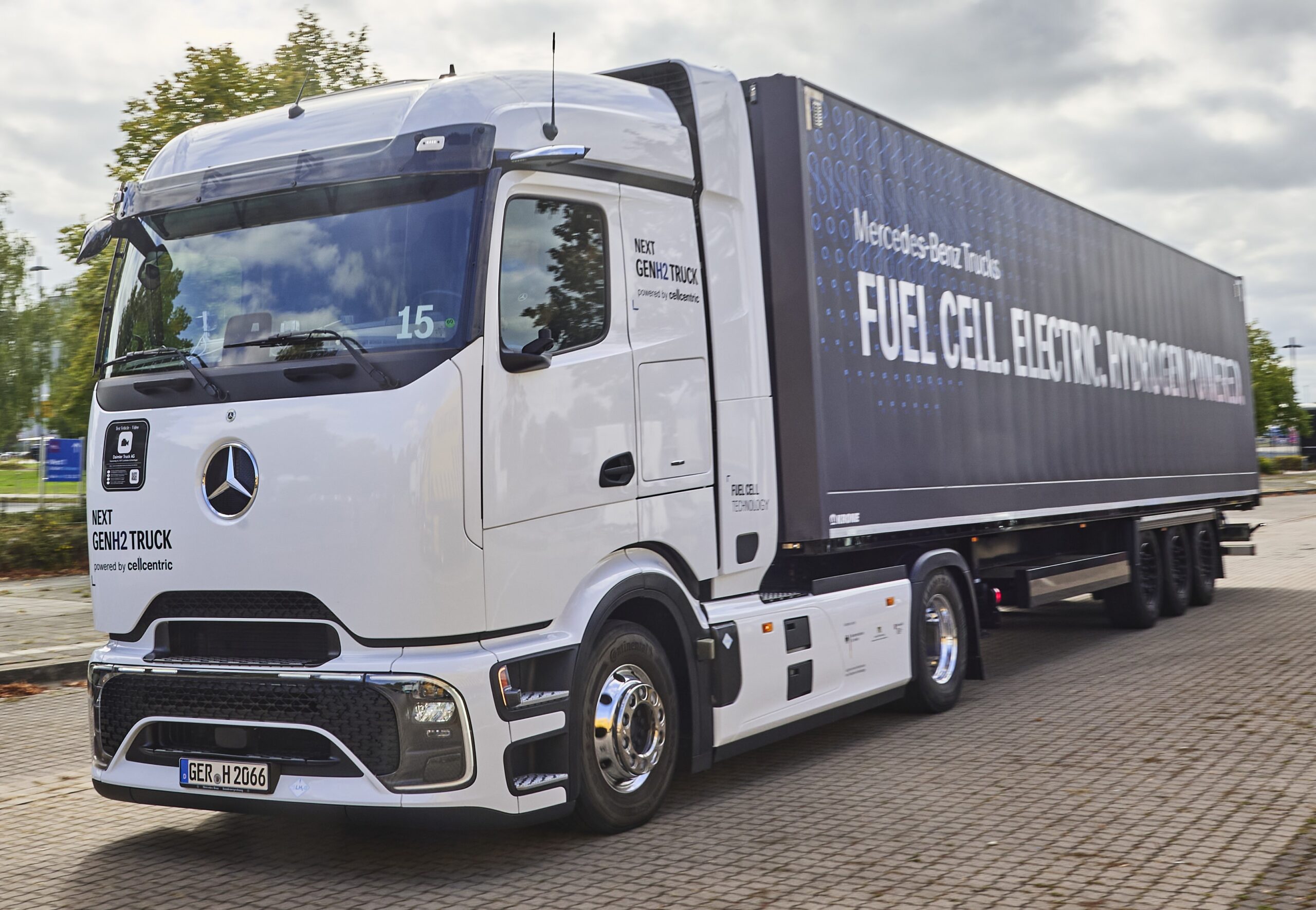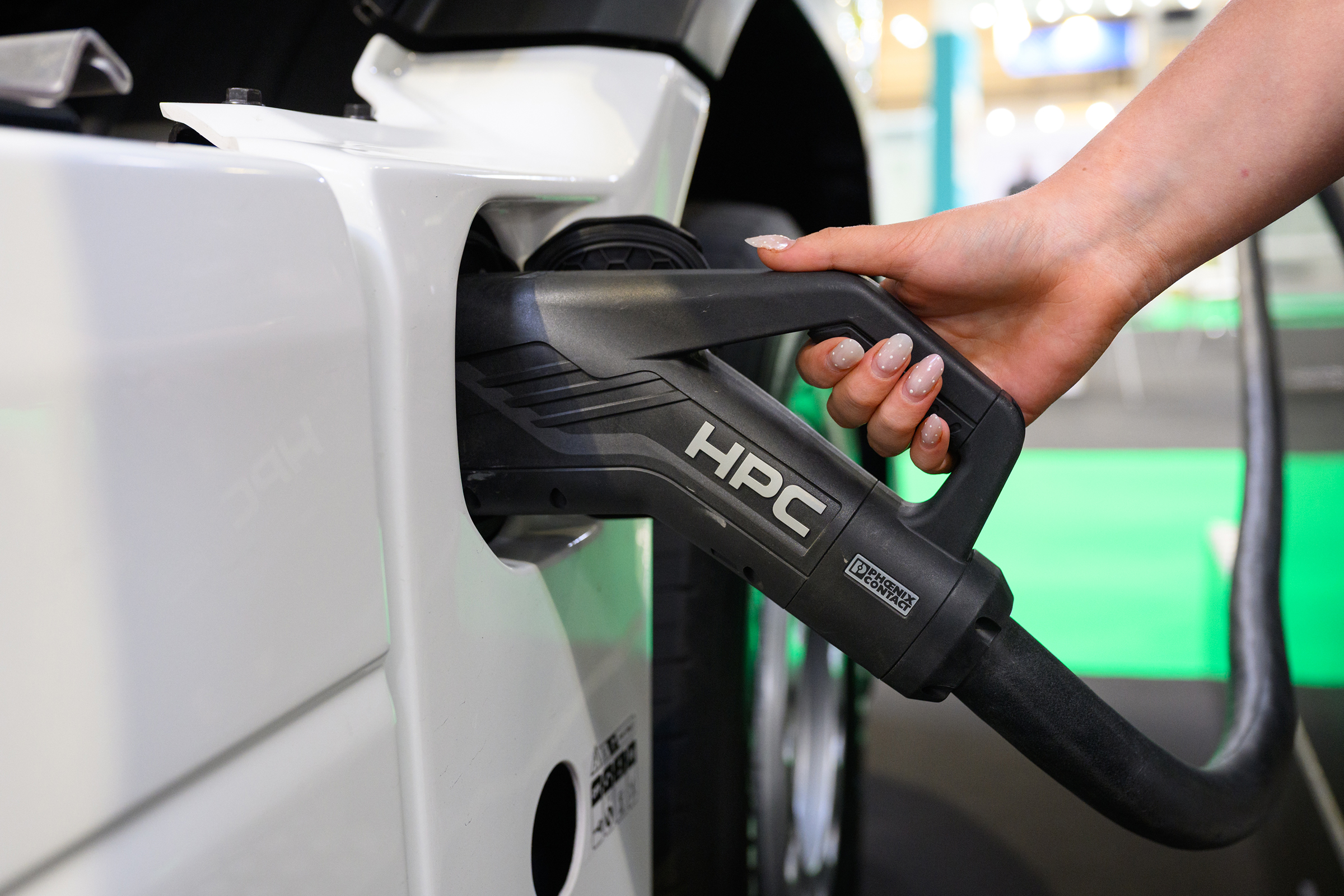
With the final day of the Commercial Vehicle Show drawing to a close this afternoon, the event has once again underlined why it is the UK’s flagship event for road transport. It has brought together manufacturers, operators and technology leaders to build fresh partnerships and spark exciting discussions, and SMMT was delighted to see many of our members showcasing a wealth of cutting-edge product innovation.
This week has evidenced just how rapidly industry is delivering solutions to drive road transport efficiency, decarbonisation and fleet operator competitiveness across the van and truck sectors and, for the first time, buses with the inaugural edition of the co-located Bus & Coach Expo. From global brands to new market entrants, manufacturers are responding directly to real-world operational needs, whether that is longer electric range, faster charging, greater payload flexibility or tailored conversion options.
With a wide array of innovations showcased this week able to help make decarbonisation commercially viable for fleet operators, whether through going lower or zero emission, it is also essential that government’s ongoing consultation on how to decarbonise HGVs ensures fleet operators can choose what is right for them. As SMMT set out this week, the right regulatory approach would extend the UK’s existing CO2 emissions reduction targets.
Operators need vehicles that are capable, affordable and supported by the right servicing, infrastructure and digital ecosystems, which will take more time to deliver for ZEVs – with more than 70 specialist vehicle segments to decarbonise. While HGV manufacturers are already offering more than 40 different ZEV models, mandating ZEV-only sales would risk destablising the market, driving up costs for businesses and consumers, slowing low carbon fleet renewal, and repeating the challenges faced by the car and van sectors.
Substantial, long-term investment to support fleet uptake will be needed to move beyond fledgling ZEV uptake, which must be the near-term focus – incentivising vehicle purchases, reducing energy costs and accelerating public and depot infrastructure rollout across the country. It is not a lack of ambition but real-world barriers which will prevent fleet decarbonisation, but with new technology and market enablers, the UK can transform road transport while keeping costs down, and the UK economy moving.