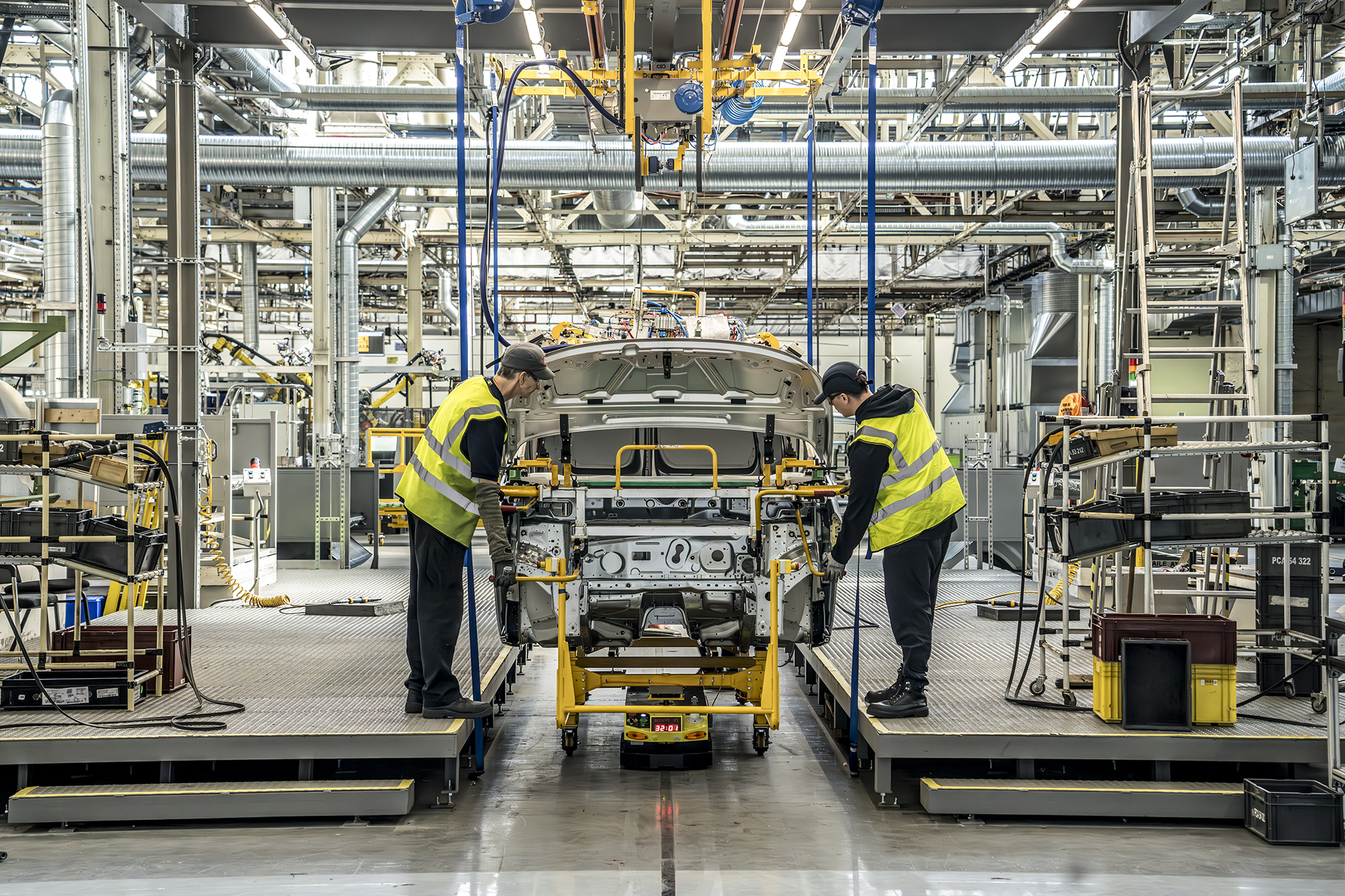

Two months do not make a trend, but the latest UK vehicle production figures do suggest signs of stabilisation with April output down just -1.2%. The second consecutive month of relative stability comes after a year of almost uninterrupted monthly double-digit declines driven by model changeovers, a cyber incident at a major car manufacturer and the closure of one of the UK’s biggest commercial vehicle plants, the effects of which are no longer reflected in the monthly data comparison.
Trade volatility has also eased in some markets with the US-UK deal in operation and renewed growth in some key European markets. UK car exports grew for the first month this year, up 0.8%, driven largely by a 6.9% uplift in shipments to the EU – the fourth monthly rise of 2026. That matters, because Europe is not just our closest trading partner but our biggest, responsible for more than two fifths of overall UK output – and providing nearly two thirds of cars bought by UK consumers.
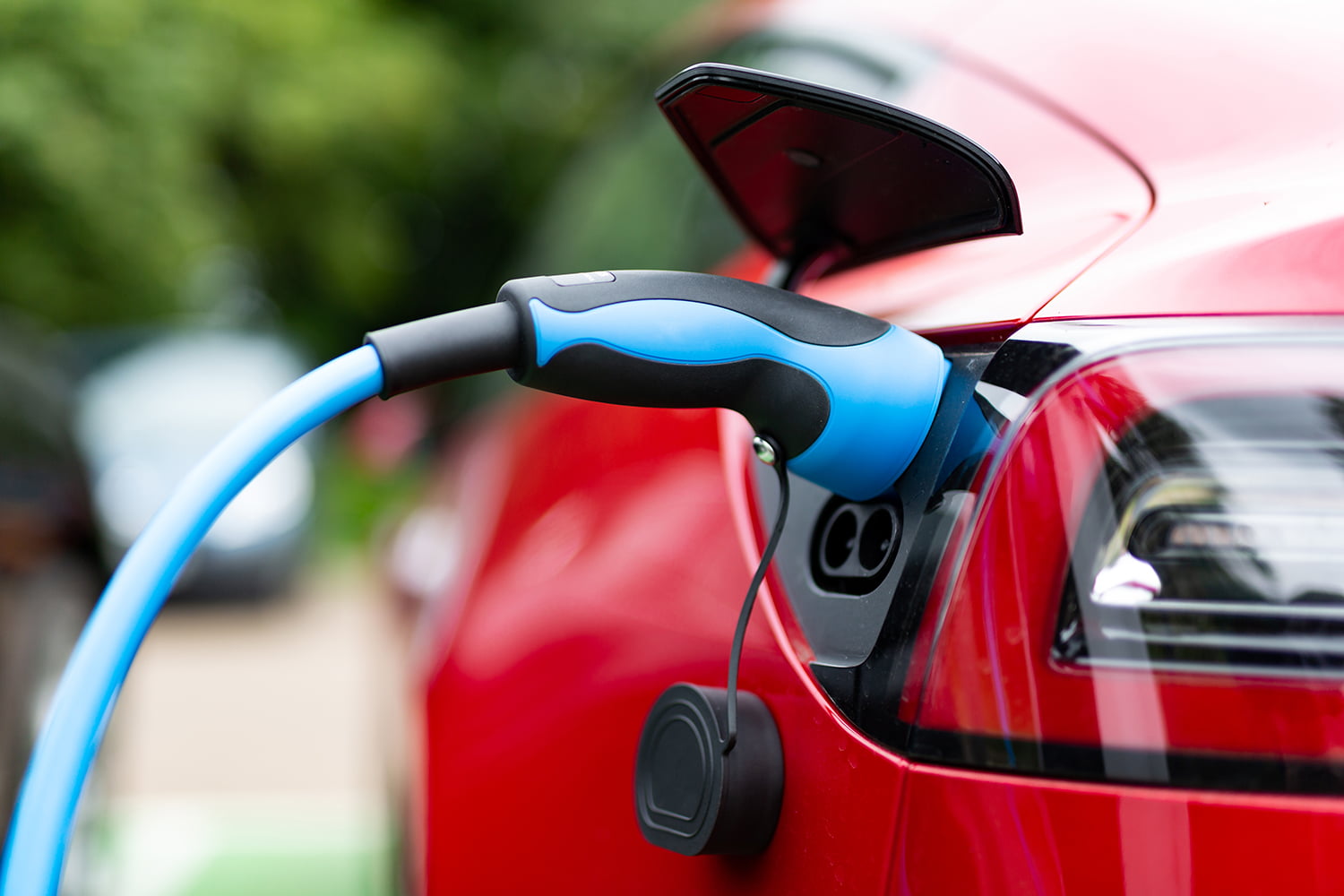
In a turbulent global environment, protecting that trade – worth an annual €80 billion to both sides – is essential. That is why the UK and EU must not sleepwalk into new trade friction. Consumers already face higher prices and less choice, with tougher rules of origin (ROO) from January 2027 potentially triggering tariffs on electric and hybrid vehicles. Now the bloc’s ‘Made in Europe’ proposals threaten to make UK automotive goods from key parts of the EU market uncompetitive with devastating consequences for supply chains, jobs and investment on both sides of the Channel. At a time when Europe faces fierce competition from global rivals, this would be a damaging move.
SMMT continues to engage with political stakeholders, including recently the EU-UK TCA Domestic Advisory Group of businesses, trade unions and civil society groups, which has restated its support for a solution to ROO and ‘Made in Europe’ – by guaranteeing the Industrial Accelerator Act’s definition of European Preference is applied to all UK sectors, including automotive. Encouragingly, there are signs that influential voices across Europe may increasingly recognise the importance of a more pragmatic approach – one that reflects our deeply integrated automotive supply chains and shared industrial interests. The upcoming EU-UK Summit must now turn that recognition into practical solutions that safeguard our mutual free trade, competitiveness and economic growth.
Given the UK sector’s global reach, broader trade opportunities matter, too, and last week’s agreement in principle between the UK and Gulf Cooperation Council was welcomed by the industry. With GCC markets – vital to automotive exports – currently disrupted by regional conflict, restoring stable conditions is the immediate priority. However, with the right framework in place, this deal has the potential to support long-term opportunity for UK automotive manufacturers.
SMMT Update
Sign up
Sign up to the SMMT Update Newsletter for weekly automotive news and data
"*" indicates required fields