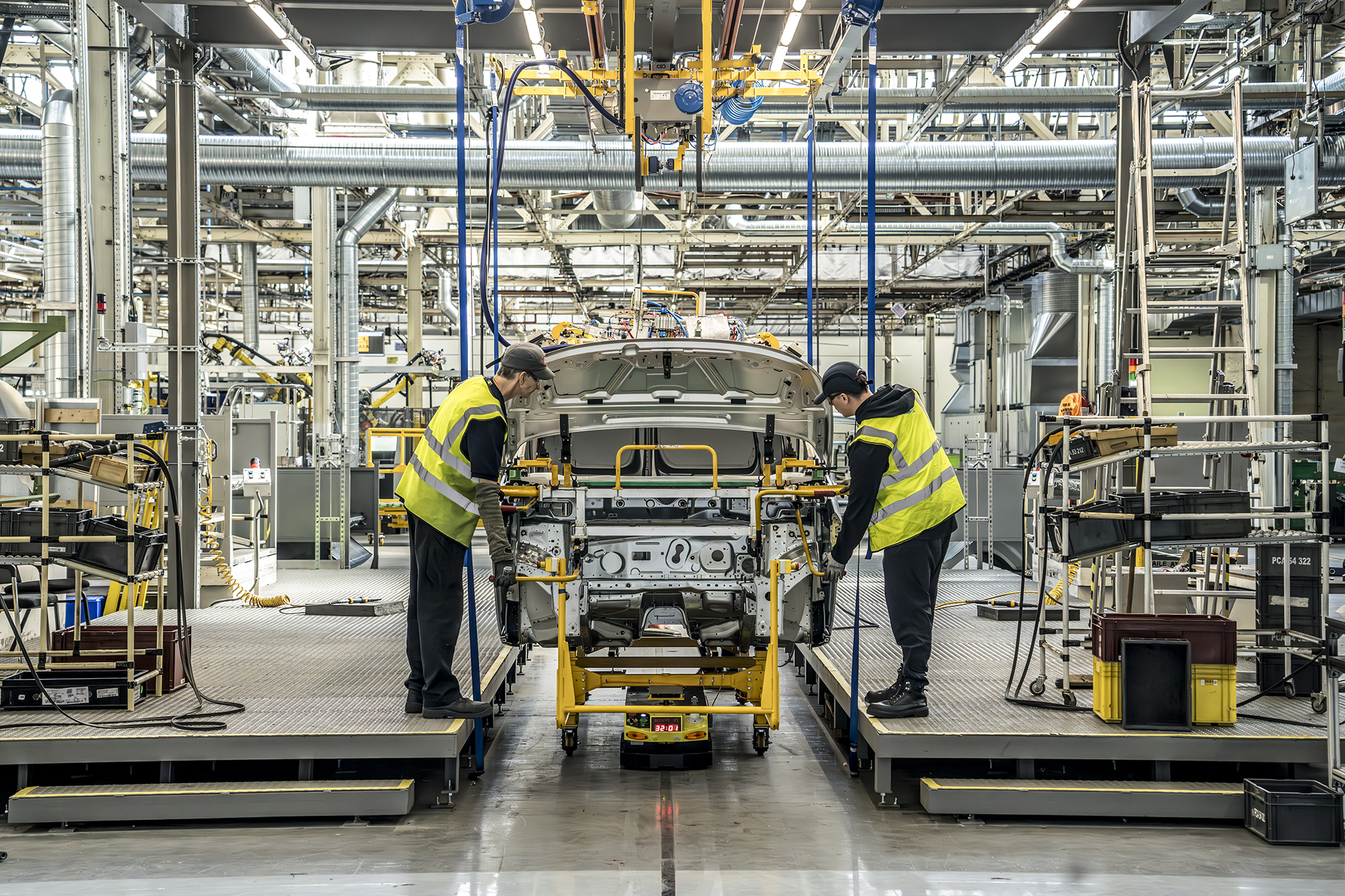

SMMT’s latest vehicle manufacturing figures show the UK sector remains under intense pressure, with vehicle output down -7.5% in first half of the year. After a tough start, however, production steadied in Q2, down just 128 units as car production returned to marginal growth and exports grew. These are early but encouraging signs of stabilisation, showing that, with the right conditions, the industry can still recover and grow. That matters because this is exactly the type of sector Britain needs to reindustrialise: high value manufacturing, skilled jobs, strong exports, advanced supply chains and deep regional roots.
The challenge is competitiveness, and three pressures need urgent attention. First, energy costs. The British Industrial Competitiveness Scheme, long called for by SMMT and designed to support the automotive sector, is welcome – but UK electricity prices are still expected to remain far above those in Europe. That makes it harder to build vehicles competitively here, so harder still to attract investment.
Second, trade must remain open. Exports account for three quarters of our output, and the EU remains our largest closest partner. We don’t just trade together, we build together, and SMMT, ACEA and CLEPA are all united in opposing provisions in the European Commission’s ‘Made in Europe’ proposals that could effectively exclude UK made vehicles from significant segments of the European car market. This would hurt vehicle production and weaken shared supply chains, damaging both sectors. In addition, tougher rules of origin, set to be imposed at the end of the year, would raise costs via tariffs on EU and British produced electrified vehicles, making them less competitive in both markets just when we need the opposite.
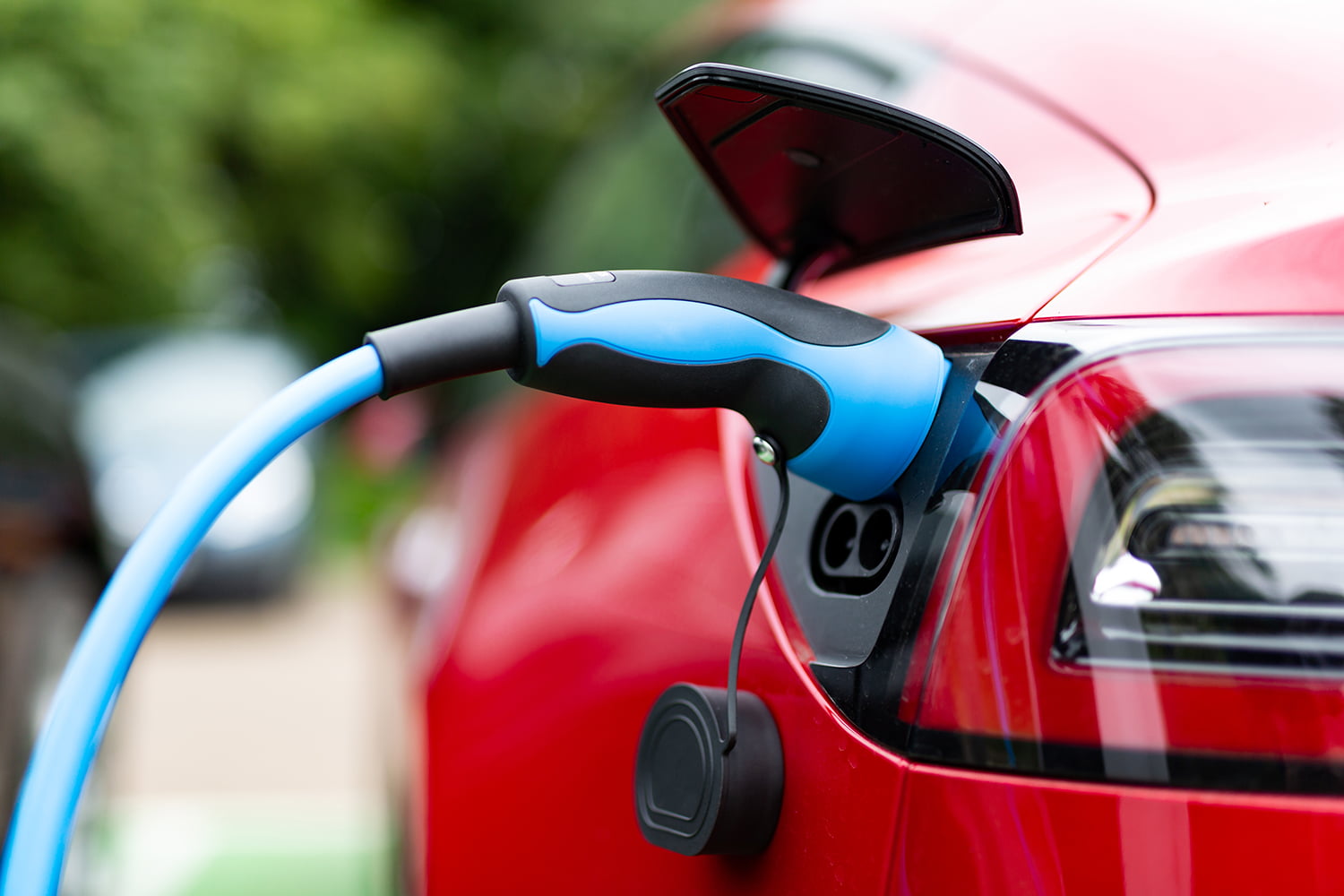
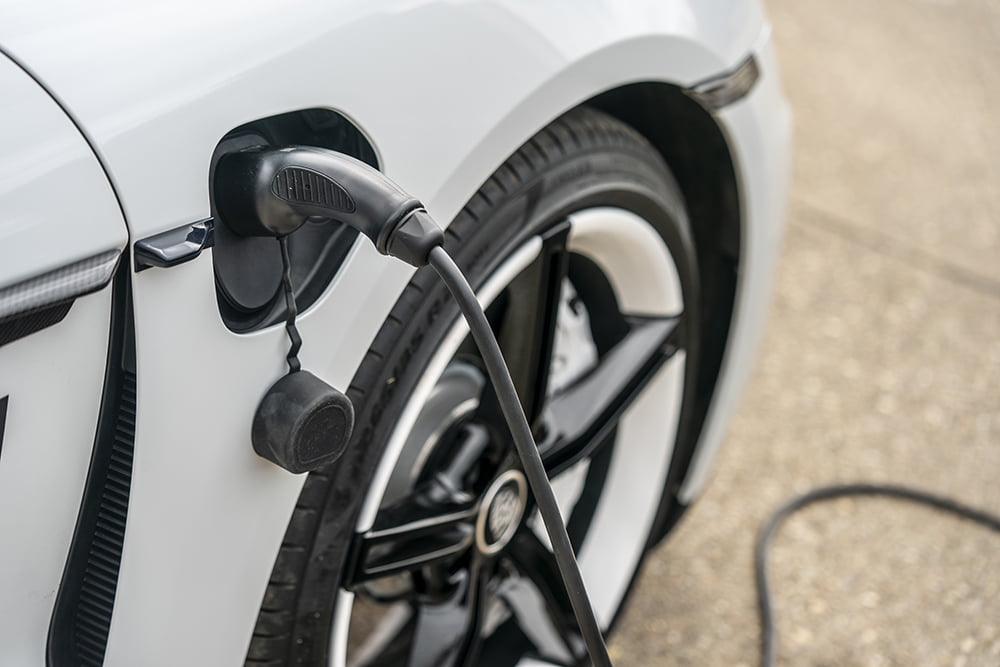
Third, regulation must reflect the market. Manufacturers have invested billions in EVs but the ZEV Mandate is, still, running ahead of natural demand, while charging rollout lags behind. The call for reform is not narrowly made: it comes from manufacturers that build and import here – both established and challenger brands – as well as from retail businesses, and those responsible for repairing vehicles. This is not about lowering ambition; it is about making the transition deliverable. The majority of our vehicles are exported, but attracting inward investment is all but impossible if the costs of the domestic market are unaffordable.
These pressures are linked. High energy costs weaken competitiveness. Trade barriers raise costs further. Regulation that outpaces demand makes the market unprofitable and investment incredibly difficult to justify. Boardroom decisions are being made now and, if they are to go in our favour, we need competitive energy, competitive trade, and a competitive transition.
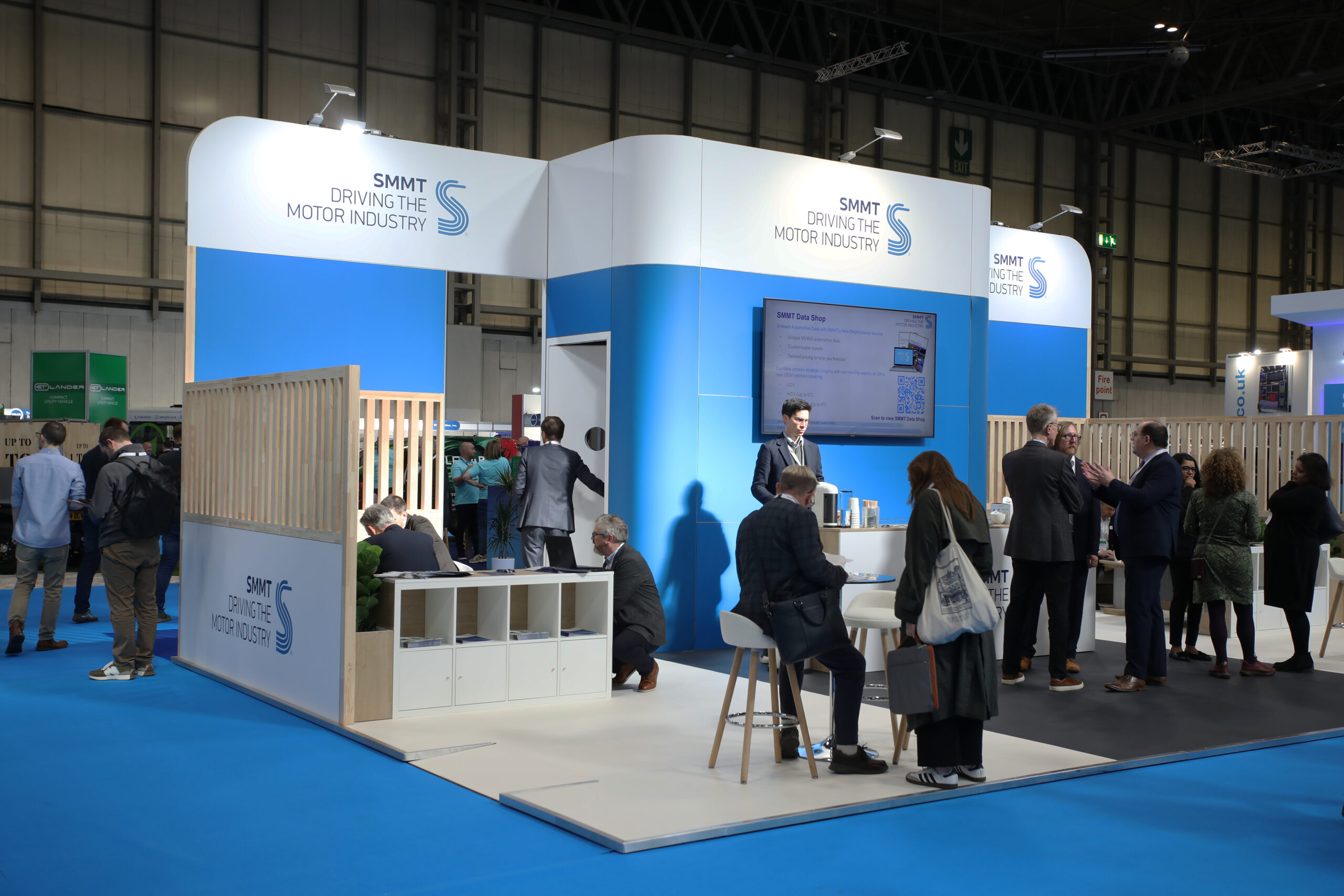
We hope to see urgent progress across all three fronts, with a more positive story to tell when the industry comes together for SMMT’s 109th Annual Dinner in November. Whatever the industrial, political and economic backdrop, it will be a timely moment to take stock, and we’re delighted to announce one of the UK’s leading journalists and political satirists, Ian Hislop, Editor of Private Eye and team captain of Have I Got News For You, as this year’s celebrity guest speaker.
To secure your place alongside more than 1,000 guests from across industry, media and government, make your booking here.
SMMT Update
Sign up
Sign up to the SMMT Update Newsletter for weekly automotive news and data
"*" indicates required fields