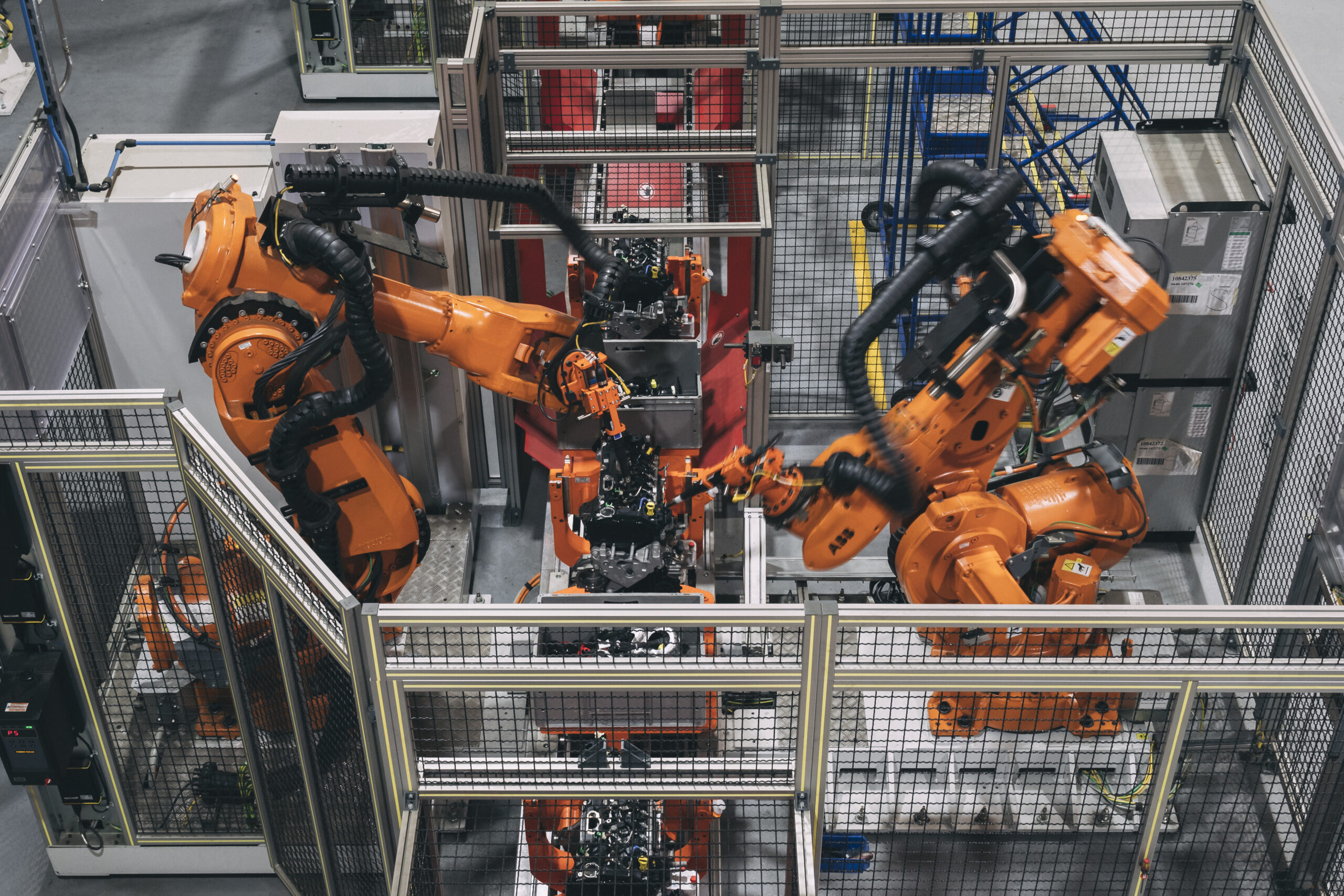

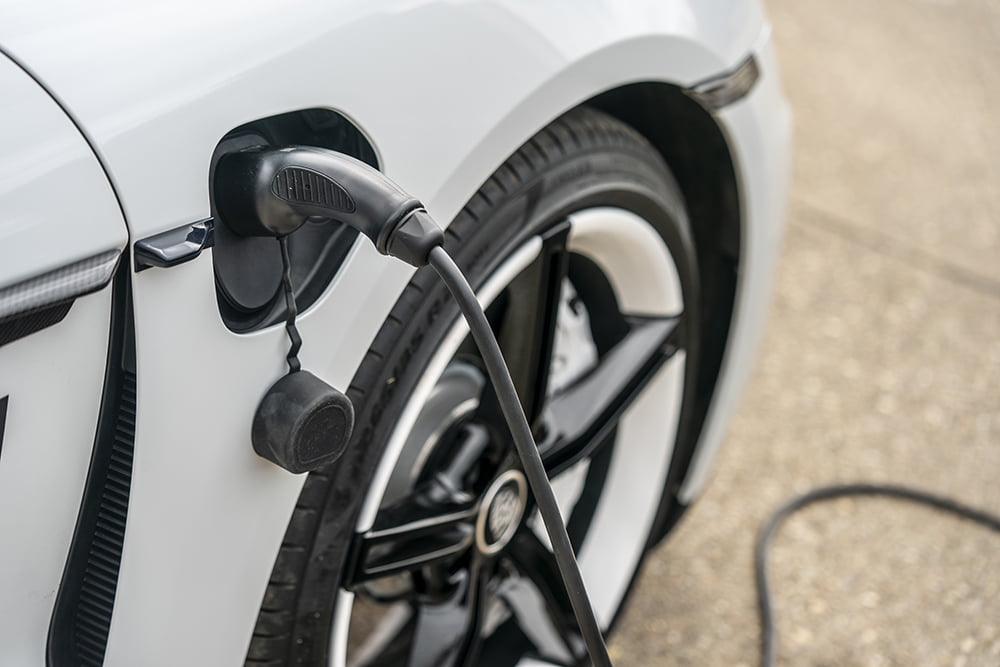
July’s decline in vehicle output reflects the intense pressure under which UK manufacturers are currently operating. Model changeovers and ongoing trade and investment uncertainty were exacerbated by shutdown calendarisation and weak overseas orders. There was a bright spot, however, with electrified car production rising for the first time this year, to represent more than four in 10 UK-made cars.
It’s a positive development from an industry that has invested so heavily in decarbonisation, with more than 27 different zero emission models – including cars, vans, trucks and buses – already in production or announced for UK plants. That is the result of decisions taken many years ago and is investment we need to safeguard. The industry’s latest independent outlook suggests that, if plans come to fruition, vehicle output can return to growth from 2027, with potential to reach one million units by the turn of the decade. But that depends on ensuring Britain is an internationally competitive and attractive place to do business.
A credible, stable regulatory environment is important, which is why meaningful reform of the ZEV Mandate must come quickly. But other challenges to UK competitiveness also need immediate attention, including additional costs befalling labour, and structural reform of industrial energy costs. Even after the forthcoming British Industrial Competitiveness scheme – long called for and highly welcome – UK manufacturers will still face far higher energy costs than European counterparts. Automotive is an energy-intensive sector, so these costs create a major competitive disadvantage, draining investment when it is needed to drive innovation and new technology rollout.
Trade competitiveness is equally vital. As one of the UK’s largest export sectors, our industry has to be a priority for the next UK-EU summit. Pragmatic and constructive negotiation is particularly needed to address the threat of ‘Made in the EU’ proposals which, as drafted, would undermine UK manufacturers’ access to large parts of the EU market. Forthcoming rules of origin requirements under the TCA – the “Brexit deal” – also pose risk to the UK and EU’s €80 billion-a-year automotive trade. Only a timely resolution will protect supply chains, jobs, growth and investment, on both sides of the Channel.
There are other important trading relationships, such as the landmark UK-India free trade agreement that came into force in July. Signing that deal was important but enacting it matters more, and we still await the allocation of quotas for UK car exporters to gain reduced tariff rates. These quotas must be confirmed quickly as, without them, the agreement’s key automotive provisions cannot deliver the intended benefits fairly and equally.
Meanwhile, in a further enhancement of the UK’s global trading relationships, from next week UK automotive businesses will be able to use the Comprehensive and Progressive Agreement for Trans-Pacific Partnership (CPTPP) in trade with Canada. Canada is a major economy and key automotive export destination, so companies are encouraged to utilise the enhanced provisions which CPTPP affords. Guidance is available from government, and through SMMT for our members.
SMMT Update
Sign up
Sign up to the SMMT Update Newsletter for weekly automotive news and data
"*" indicates required fields