In October last year, the Bus Services Act became law, giving local authorities across England extended powers to take control of their local bus networks.
Under this franchising model – already used in London and Manchester – local combined authorities are able to set routes, timetables, branding and standards for bus services, rather than private companies, for the first time in 40 years.
The idea is public control and political accountability mean bus services can be designed, integrated and delivered in the best interests of local communities.
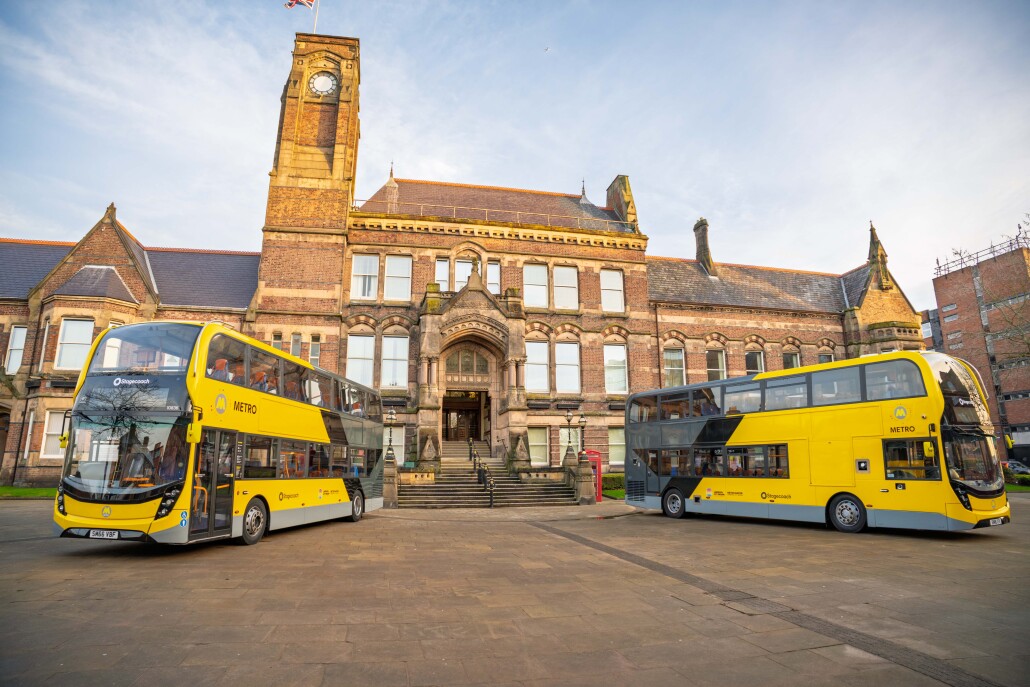
For example, Liverpool City Region recently brought buses back under public control with the introduction in St Helens of expanded weekend and evening timetables, more frequent services and a new express route to Liverpool John Lennon Airport.
Services in Wirral will return to public control later this autumn, followed by Knowsley, Liverpool and Sefton in 2027.
The move to a franchising system is designed to make bus travel more convenient and reliable – bringing an additional 5,000 residents within 400 metres of a bus stop.
Also, popular services are being extended to reach key places like local hospitals, colleges and rail stations.
In addition, there has been a £150 million investment in a new 560-strong fleet, to join the more than 100 publicly owned electric buses already in service.
Many of these low-emission buses, which include better seats, USB charging and more space for wheelchairs and prams, are being built by Northern Ireland-based Wrightbus.
Steve Rotheram, Mayor of the Liverpool City Region, said: “As we take back control of the whole system, we’ll be able to run more services in the evenings and at weekends, better connect people with jobs and opportunities and hold operators to account when standards aren’t good enough.
“And we can keep fares affordable too.”
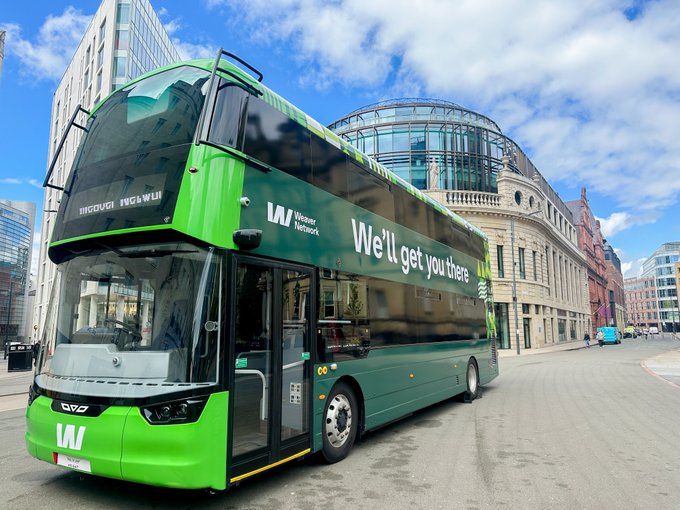
Meanwhile, the first Weaver Network services in West Yorkshire are due to launch in Spring 2027, with franchising introduced in phases across the region through to the end of 2028.
Currently, more than 80% of the bus network is run by private operators, which decide routes, frequencies and timetables, with the West Yorkshire Combined Authority (WYCA) subsidising extra services and cheaper fares.
Under the new bus franchising system, WYCA will own the majority of buses and depots for the larger contracts, while setting routes, fares and service standards for all franchised services.
WYCA has contracted First West Yorkshire to run the first services in Huddersfield and parts of Leeds, as well as Transdev Blazefield to run services in Dewsbury, following a competitive 10-month bidding process.
Further smaller contracts and school service contracts are progressing, with announcements expected in the coming weeks.
Agreements to run services in Wakefield and other parts of Leeds will commence in early 2028, while franchising in Bradford and Calderdale is set to begin at the end of that year.
Mayor of West Yorkshire, Tracy Brabin, said: “Signing the first contracts for services is the next step to improving public transport across the region.
“Bus franchising takes us closer to our bold vision of a region-wide integrated Weaver Network and a better-connected, more reliable and affordable transport system for West Yorkshire.”
Also, from September 2027, the South Yorkshire Mayoral Combined Authority (SYMCA) will return buses to public control in Doncaster and most of Sheffield.
This will be followed by further phases across Barnsley and Rotherham.
A fleet of more than 180 buses is set to be introduced in Sheffield, replacing older diesel vehicles, with funding coming from both central government and the SYMCA.
The EV rollout will later be extended to other areas of the region.
From September next year, free bus travel for under-18s will also be introduced as part of a new fares strategy designed to make public transport more accessible and affordable, and refreshed bus stops and shelters will also be installed across the region.
In addition, bus depots across South Yorkshire are being upgraded and electrified in readiness for the arrival of new electric buses.
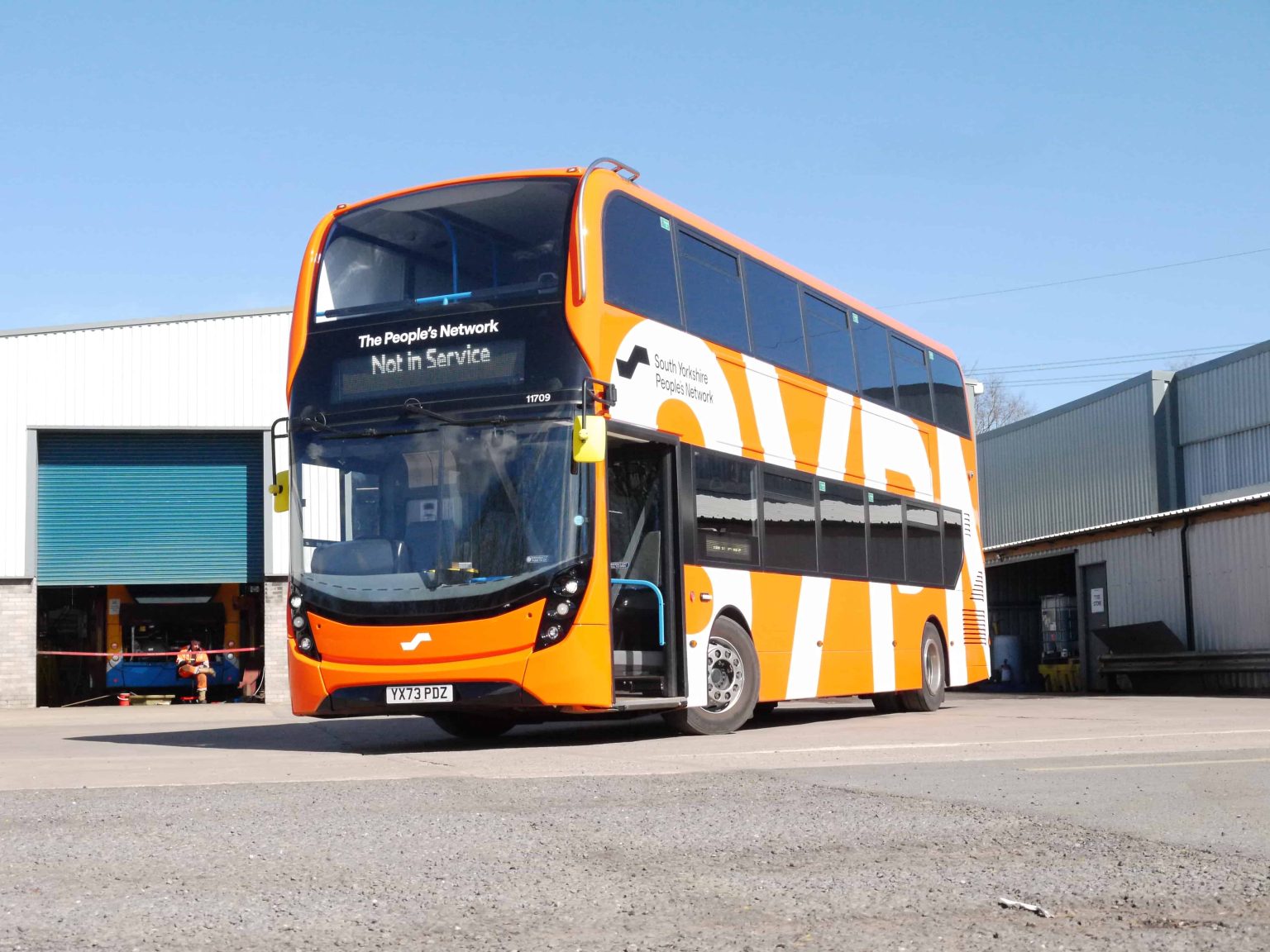
South Yorkshire’s Mayor, Oliver Coppard, said: “For the first time in decades, we’ll have the power to shape routes, fares and timetables around what we need in South Yorkshire, helping to create a transport network that is simpler, more affordable and more reliable.
“We’ll make common-sense changes to routes and services as soon as we can, with the longer-term goal of making our network allow people to go where they want.”
Last month, the West Midlands Combined Authority (WMCA) invited bus companies to submit bids to run local bus services.
An extensive consultation last year found 75% of the residents and organisations who expressed a preference were in support of franchising, including a majority of bus operators and local councils.
The first wave of franchised contracts covering Coventry, North Birmingham and Walsall are expected to be awarded early next year, with services launching in October 2027.
This will be extended in 2028 to Dudley, Sandwell and Wolverhampton, and to Solihull and South Birmingham in 2029.
Under the forthcoming franchised network the WMCA will directly control bus services and pay a contractor to run them, with operators expected to run reliable and efficient services.
The WMCA has also said it wants smaller and out-of-region operators to bid for contracts.
As part of the reorganisation of services, National Express parent company Mobico has agreed to sell the assets and operations of its West Midlands bus business to WMCA for about £24 million.
Mayor of the West Midlands, Richard Parker, said: “We are designing our network around the people who rely on it every day – to make it more reliable and raise standards of service.
“My message to bus operators, big or small, is simple – compete for these contracts and help us build a world-class public transport network we can all be proud of.”
With combined authorities moving bus services to a franchised model, passengers should benefit from better integration with other forms of transport, a simpler ticketing process, protected routes, as well as greater local accountability.