The UK government offers various incentives for electric vehicle adoption, although they are limited. For example, there were previously grants for anyone buying an electric vehicle, but only certain some specialist zero-emission vehicles (ZEVs) are eligible for grants now. Nevertheless, some incentives still exist. This article examines what grants and incentives are available as of January 2025 and makes the case for further incentives to be introduced.
Current UK incentives for electric vehicles
Plug-in vehicle grants
Dealerships and manufacturers collaborate to help buyers take advantage of the grants still available for low emission vehicles. The buyer need not apply. Instead, the dealership discounts the purchase price, and the grant amount is refunded by the government.
Currently grants apply to the following zero-emission vehicles:
- Wheelchair accessible vehicles
- Motorcycles
- Vans
- Trucks
- Taxis
These grants are particularly helpful in providing business incentives for the transition to electric commercial vehicles.
Vehicle Excise Duty (VED) exemption
VED tax, also known as vehicle tax or road tax, is levied annually. Certain types of vehicles, for example those used to transport disabled people or vehicles used in agriculture, are tax exempt regardless of their energy source. VED rates are calculated according to vehicle CO2 emissions. From April 2025, battery electric vehicle drivers will need to pay VED, but at the lowest rate. However, those who are driving EVs that originally retailed for more than £40,000 will also be required to pay the ‘Expensive Car Supplement’
Company car tax
When employees have a company car that they can use in their private capacity as well as for work purposes, the benefit is subject to taxation. The taxation is based on the value of the car. However, if it is an electric vehicle, the taxable value is reduced. This has proved an effective incentive for businesses to invest in electric vehicles.
Charge point grants
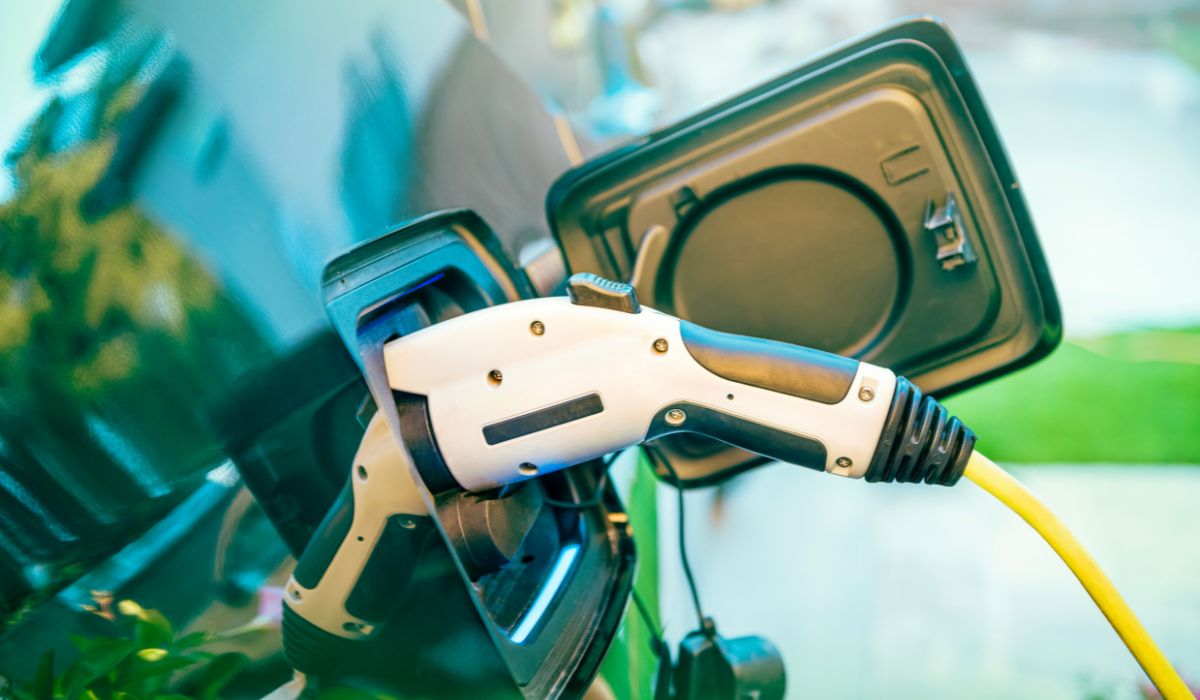
The workplace charging scheme subsidises the cost of electric vehicle charge points at workplaces. Each applicant is eligible for a 75 percent subsidy with a cap of £350 per chargepoint. A business entity may receive this incentive for the installation of a maximum of 40 sockets.
Renters and flat owners are eligible for a similar grant provided they own an eligible vehicle and have private, off-street parking.
Congestion Charge and Ultra-Low Emission Zone (ULEZ) benefits
Currently, owners of electric vehicles can apply for exemption from congestion and ULEZ charges. However, London will be discontinuing congestion charge benefits for electric vehicles from December 2025 and other cities may follow suit. ULEZ will be unaffected.
The LEVI Fund
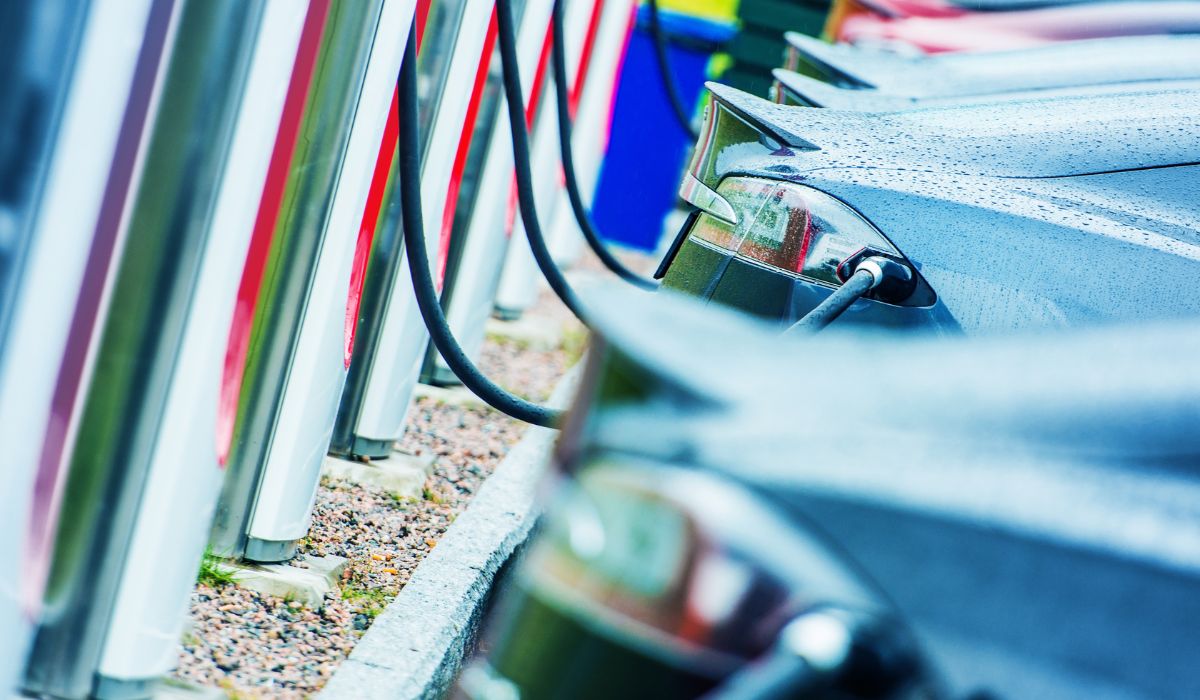
Local Electric Vehicle Infrastructure (LEVI) funding is available to local authorities that wish to install on-street charging infrastructure in areas where residents do not have access to off-street parking. To receive funding, they must first undertake an application process.
Company car tax
When employees have a company car that they can use in their private capacity as well as for work purposes, the benefit is subject to taxation. The taxation is based on the value of the car. However, if it is an electric vehicle, the taxable value is reduced.
Auto Industry Calls For More Zero Emission Vehicle (ZEV) Incentives
The UK government hopes to speed the transition to emission-free vehicles by setting sales targets for auto manufacturers. However, demand for zero emission vehicles is below the ambition set by government, and the automotive industry cannot force consumers to buy zero emission vehicles. Without significant government incentives for electric vehicles, many buyers will still choose vehicles with internal combustion engines.
In an open letter to the Labour government, the SMMT has alerted the Chancellor to the need for strong incentives for purchasing electric vehicles.
Reduced VAT on ZEV purchases and public charging likely to stimulate market
Market modelling indicates that reducing VAT on new ZEV purchases over a period of three years would increase the number of emissions free vehicle registrations to more than 2 million by 2028. In addition, the high rate of 20% VAT on public charging should be reduced to align with the 5% VAT levied on home charging. The present state of the auto market can be assessed using our Electric Vehicles Data Page.
Government should create a supportive business environment for car manufacturers
In essence, the government is failing to provide sufficient incentives to buyers while planning to levy penalties for automakers that are unable to meet sales targets. This could create a hostile market environment that will lead to reduced investment in vehicle manufacturing in the UK.
Joining the SMMT: benefits for industry players
Interested parties who are active in the UK automotive industry are invited to join the SMMT, adding to our influence as industry representatives. Associate and Affiliate memberships are also available. In addition to representation, members benefit from industry-critical members-only data as well as opportunities to interact, learn, network, and collaborate at our motor industry events.
For the latest UK electric vehicle registration data, including new electric car registration statistics and electric vehicle sales figures, please visit the SMMT Data Shop.
apply to join
SMMT’s comprehensive membership base covers every aspect of the automotive industry, from vehicles to components, trailers to aftermarket; and from large global corporations to small and medium enterprises. The scope of interest of our members also varies dramatically, ranging from direct, partial or indirect involvement in the manufacturing of vehicles and components, to design engineering and distribution, and a variety of other services aligned to the industry.
Get in touch to find out how to join SMMT.
If you are already a part of an organisation that has an SMMT membership, click here to register your account.
Find out how your company can become a member of SMMT.
"*" indicates required fields