
Britain’s new car market has delivered its strongest May performance since before the pandemic, a welcome sign that motorists are responding to the massive range of products and deals on offer. With registrations up 7.1%, it was the best May since 2019 showing that despite persistent economic pressures, underlying demand remains resilient when affordability and choice align.
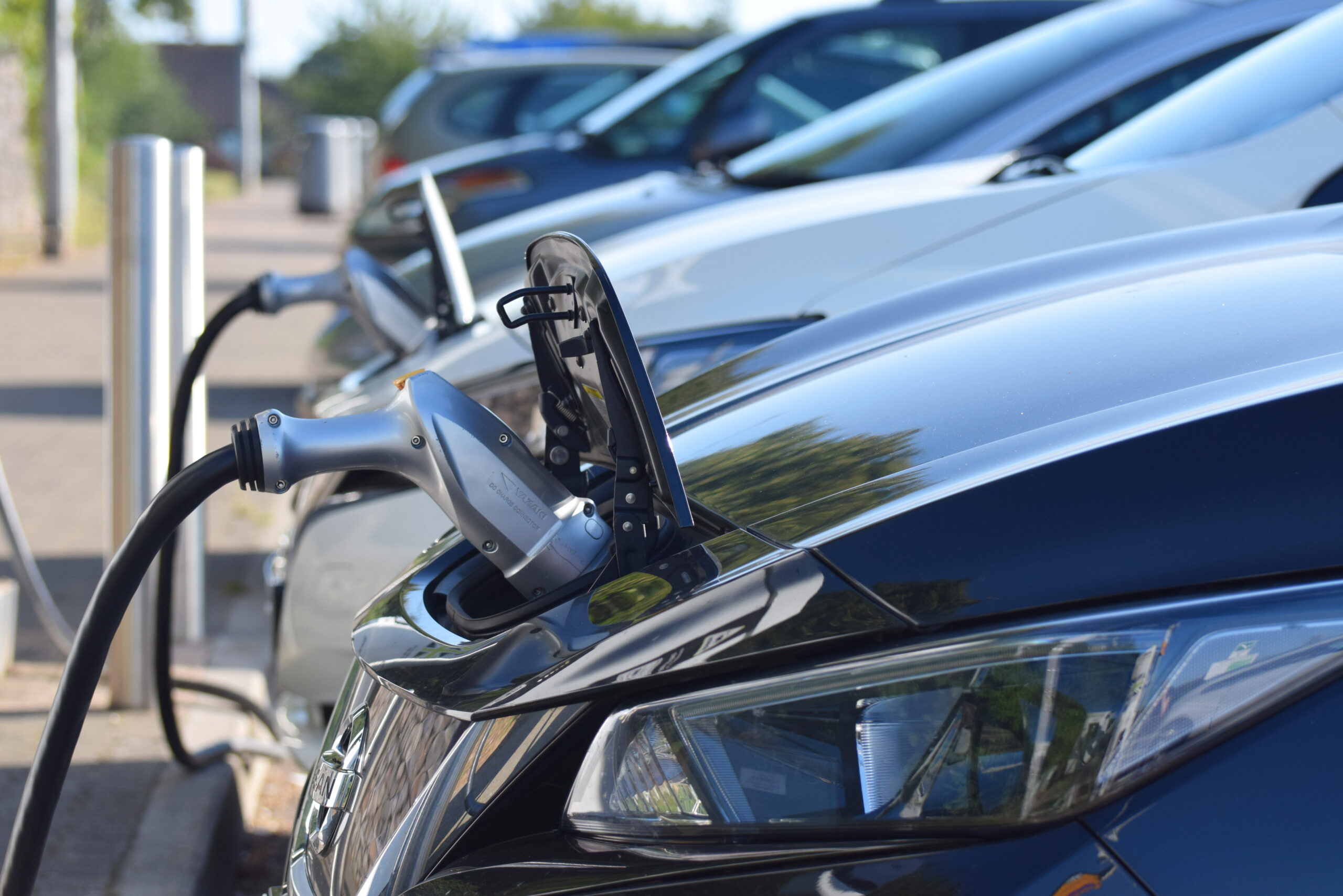
That demand is increasingly electrified. Battery electric vehicles took a 27.3% market share in May, their highest in 2026 so far, with registrations up 34.2%, while plug-in hybrids also posted strong growth of 23.9%. This is clear progress and reflects an industry that continues to invest in these next generation powertrains. Manufacturers are bringing ever more models to market, with over 160 BEV options now available across all segments and price points, many supported by the government’s Electric Car Grant.
But progress should not be mistaken for mission accomplished. So far this year, BEVs still account for just 23.9% of registrations, well below the 33% dictated by the Zero Emission Vehicle Mandate – with dramatically tougher targets next year and beyond. That gap highlights how much of the transition still depends on government and – especially – manufacturer incentives as billions in discounting continues whilst consumer demand lags ambition.
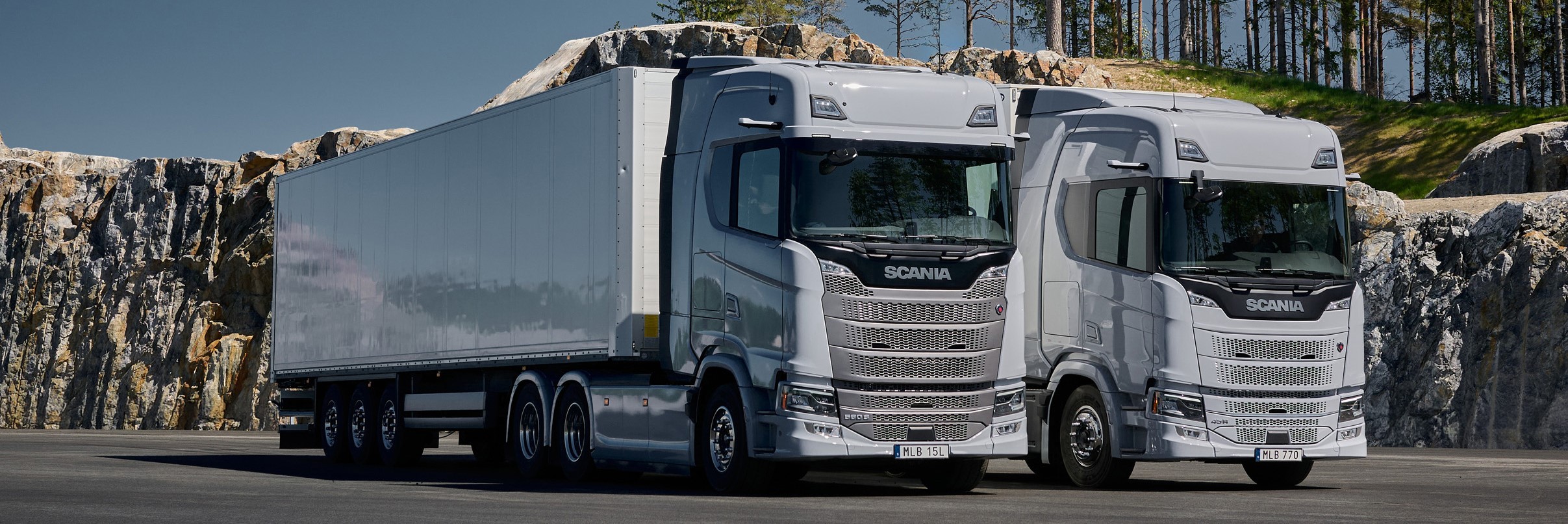
A similar picture is visible in the van market where overall registrations rose 3.6%, marking a second successive month of growth. Greater demand for large vans offset declines elsewhere, including a collapse in pick-ups following onerous tax changes. Battery electric van uptake rose 35.5% to take a 9.8% market share, but this remains far below the 24% mandated target for 2026 and, indeed, is even below last month’s share. Higher upfront costs, energy prices and charging constraints continue to weigh on fleet investment decisions.
The broader policy context adds further pressure. Government’s Seventh Carbon Budget envisages electric cars and vans making up around 95% of new sales by 2030, an ambition even more heroic than the ZEV Mandate’s 80% target for cars and 70% for vans. If Britain is to accelerate overall transport decarbonisation without undermining affordability, consumer choice or industrial competitiveness, policies must be realistic and be backed with commensurate support.
A holistic review of the EV transition is urgently needed to ensure investment is sustained, choice is preserved and fleet renewal continues. The automotive industry is committed to the transition and is already doing the heavy lifting. What we need now is a market environment that gives everyone the confidence to go electric – do that and UK can deliver cleaner mobility, stronger growth and a transition that works for business and motorists alike.
SMMT Update
Sign up
Sign up to the SMMT Update Newsletter for weekly automotive news and data
"*" indicates required fields