- New light commercial vehicle market up 4.8% in plate-change September with 49,704 new vans, pickups and 4x4s joining UK roads.
- Demand rises for vans of all sizes and 4x4s, but pickup deliveries continue sharp decline.
- Best ever month for new battery electric van uptake – yet still far adrift of mandated target.
Data download
new LCV registrations September 2026
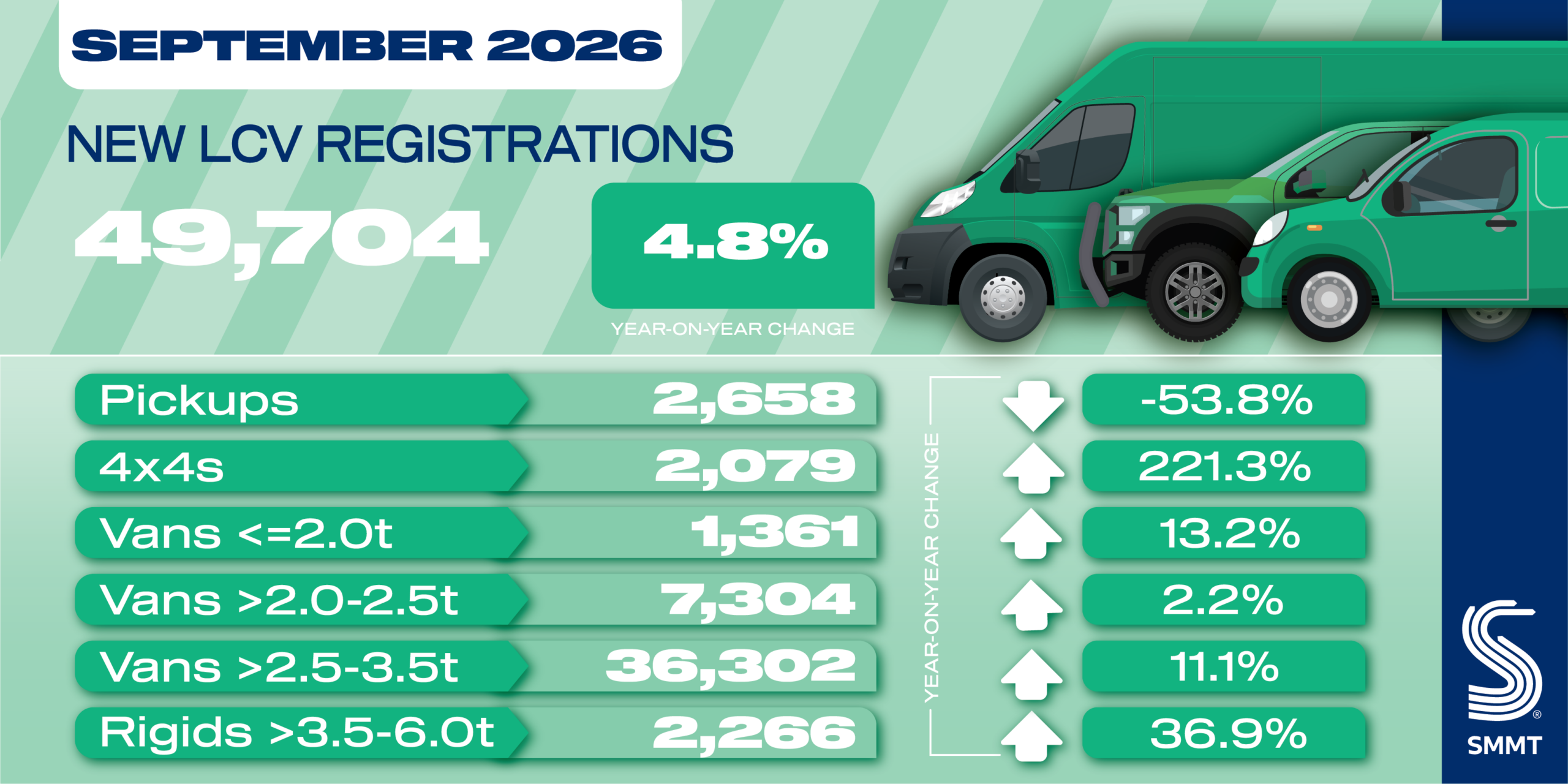
The new light commercial vehicle (LCV) market rose for the sixth consecutive month in September, up 4.8% with 49,704 vans, pickups and 4x4s joining the road, according to the latest figures published today by the Society of Motor Manufacturers and Traders (SMMT). Often a bumper month with the introduction of the new number plate, September saw the highest monthly volume of 2026 – exceeding even March,1 which is typically the market’s biggest month of the year.
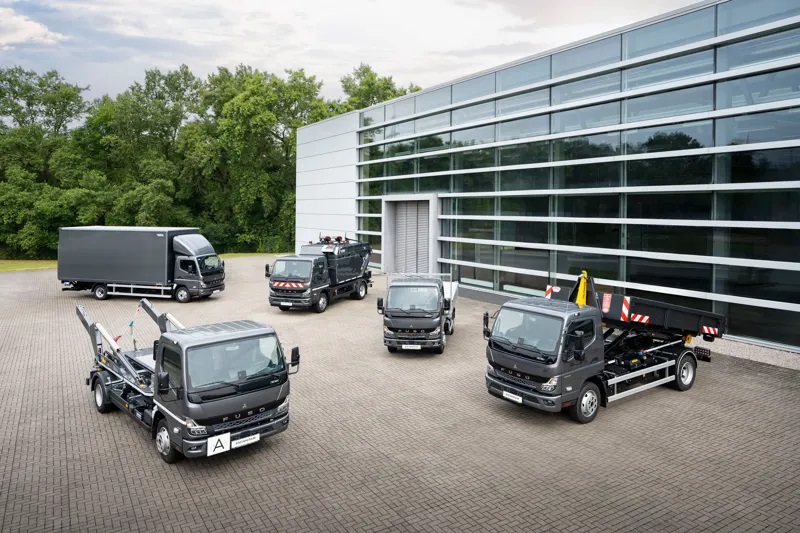
Large vans delivered the biggest volume growth, up 11.1% to 36,302 units, while medium and small van uptake rose by 2.2% and 13.2% to 7,304 and 1,361 units respectively. The biggest percentage growth came with 4×4 demand more than tripling (221.3%) to 2,079 units, driven by bumper fleet orders. Pickup demand continued to decline sharply, more than halving (-53.8%) to 2,658 units following last year’s tax reclassification of double-cab pickups as cars for benefit-in-kind and capital allowance purposes.
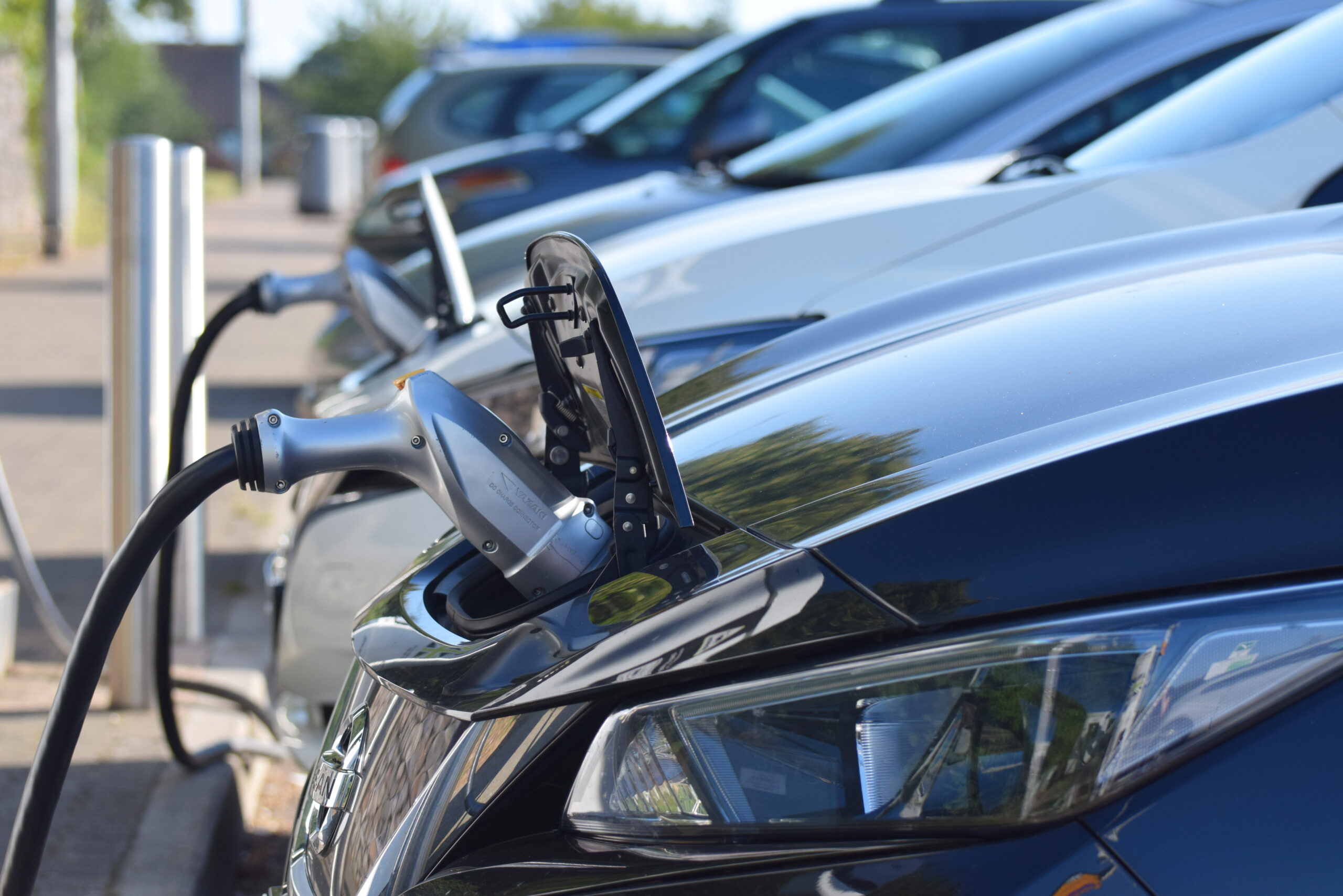
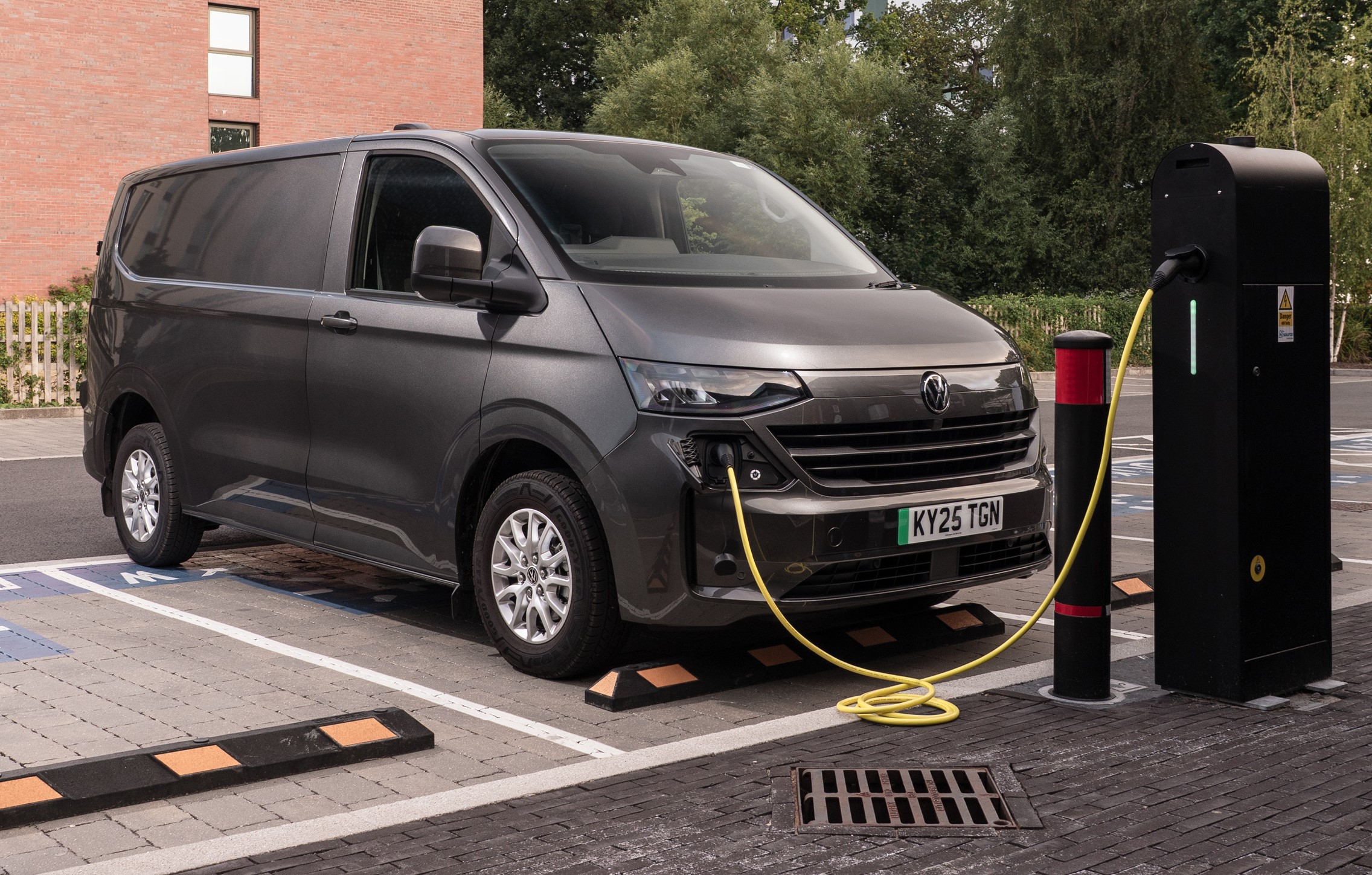
More positively, September was a significant month for new battery electric van (BEV) uptake, rising 13.4% to reach a record 4,832 units. Manufacturers are investing to drive demand with more than 40 different BEV models currently available, supported by the Plug-in Van Grant and capable of meeting the majority of fleet operator needs. However, with a market share of 9.6% in September and 10.8% in the year to date, the proportion of operators switching to BEVs remains significantly adrift of the 24% target set by the Zero Emission Vehicle Mandate.
Given higher upfront vehicle costs and depot upgrades remain major barriers to uptake, sustained support through the Plug-in Van Grant and Depot Charging Scheme is essential. The launch of GB Grid also has the potential to accelerate public and depot chargepoint rollout, making the switch accessible to more operators sooner. Delivering these measures will take time, however, which government’s review of the Zero Emission Vehicle Mandate must reflect. Aligning regulation with long-term realities of the van transition will help create a viable market, provide the certainty needed for investment, protect model choice, and ensure older vehicles are replaced with the latest carbon-saving technology.
Mike Hawes, SMMT Chief Executive
September’s record electric van uptake shows manufacturers are delivering, with investment in new models and substantial discounts helping operators make the switch. Yet, even with high fuel prices, demand remains less than half the mandated level due to higher purchase costs, grid delays and a shortage of van-suitable charging. Government’s regulatory review must deliver a realistic trajectory, matched by the right support and infrastructure – giving manufacturers and operators the certainty to invest, renew their fleets and cut emissions.
Notes to editors
- March 2026: 49,505 units.
- SMMT’s BEV LCV registration data reflects the Vehicle Emissions Trading Scheme, in which BEVs weighing >3.5-4.25t contribute towards each manufacturer’s target, in addition to those weighing ≤3.5t.
SMMT Update
Sign up
Sign up to the SMMT Update Newsletter for weekly automotive news and data
"*" indicates required fields