Sustainability report case studies 2025
Discover how automotive businesses across the UK are delivering measurable sustainability progress through innovative projects and partnerships.
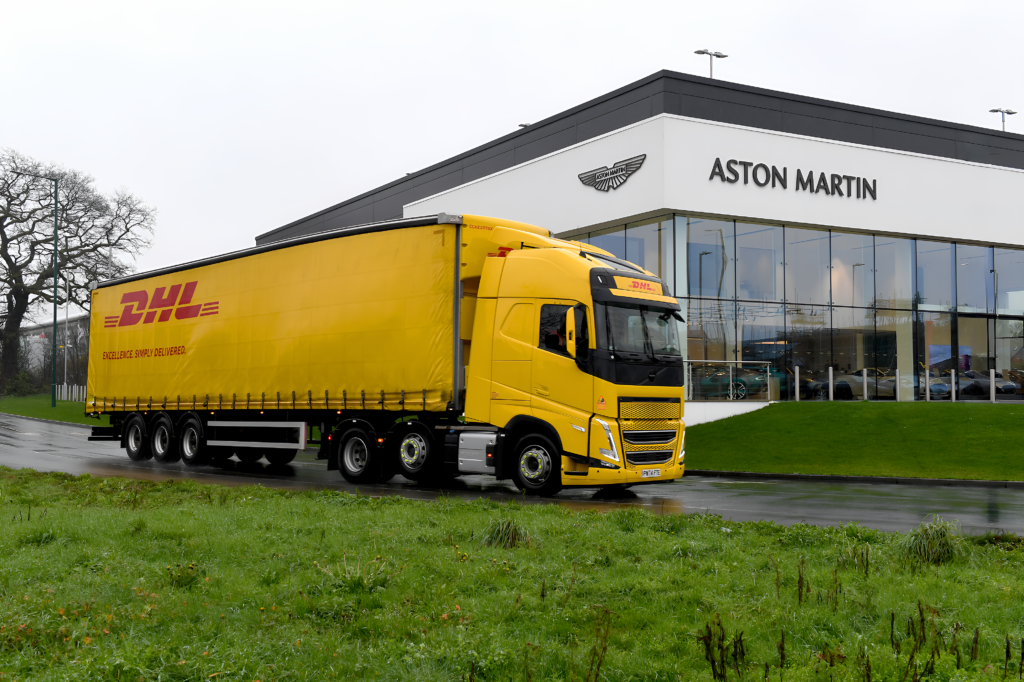
Aston Martin – More sustainable transport for inbound logistics
In 2025, DHL Supply Chain converted Aston Martin’s UK inbound logistics operation to a fossil-free diesel fleet, supporting both organisations’ commitments to reducing transport emissions. The move follows the installation of a Hydrotreated Vegetable Oil (HVO) fuel tank at Wellesbourne, enabling 18 existing trucks to operate on the drop-in alternative fuel. 54,857 litres of HVO have been used by the Aston Martin fleet since the tank was installed, reducing emissions by 148 tonnes of CO₂e compared with diesel.
The use of HVO is expected to increase significantly in 2026, with projected consumption of 260,000 litres, and a further saving of 663 tonnes of CO₂e. In addition, the fleet includes 16 bio-LNG (liquid natural gas) trucks, which reduces CO₂e emissions by up to 80% versus diesel, alongside five electric vans that provide zero emission deliveries.

JLR – Large‑scale solar installations to help power global operations
The 26-hectare, 18MW facility will supply up to 31% of the site’s energy requirements, marking the completion of the first of three of its UK solar energy projects. Alongside the development, JLR also advanced its biodiversity efforts by planting native wildflowers beneath and between the ground-mounted panels and restoring hedgerows with bird and pollinator-friendly species, targeting a biodiversity uplift well above mandated levels.
Meanwhile, a newly expanded rooftop installation at the company’s Electric Propulsion Manufacturing Centre (EPMC) in Wolverhampton features more than 18,000 solar panels, making it the largest automotive manufacturing rooftop solar array in the UK. Building on an existing rooftop array, the new 10.7MW system will generate approximately 9,512 MWh of electricity annually – enough to power over 3,500 homes for a year. The combined solar capacity will meet nearly 40% of the site’s energy needs, supporting the production of electric drive units and batteries for its next generation vehicles.
The car manufacturer is aiming to source at least one third of its global energy needs from onsite and near-site renewables as alternatives to natural gas by 2030 – cutting emissions, enhancing energy resilience, and mitigating exposure to market volatility through self-reliance. To date, JLR has already achieved a 32.1% reduction in operational emissions compared with its FY19/20 location based baseline through energy switching and efficiency measures. This is ahead of the required SBTi trajectory to be aligned to a 1.5ºC pathway.
McLaren – Innovative carbon fibre manufacturing that cuts waste
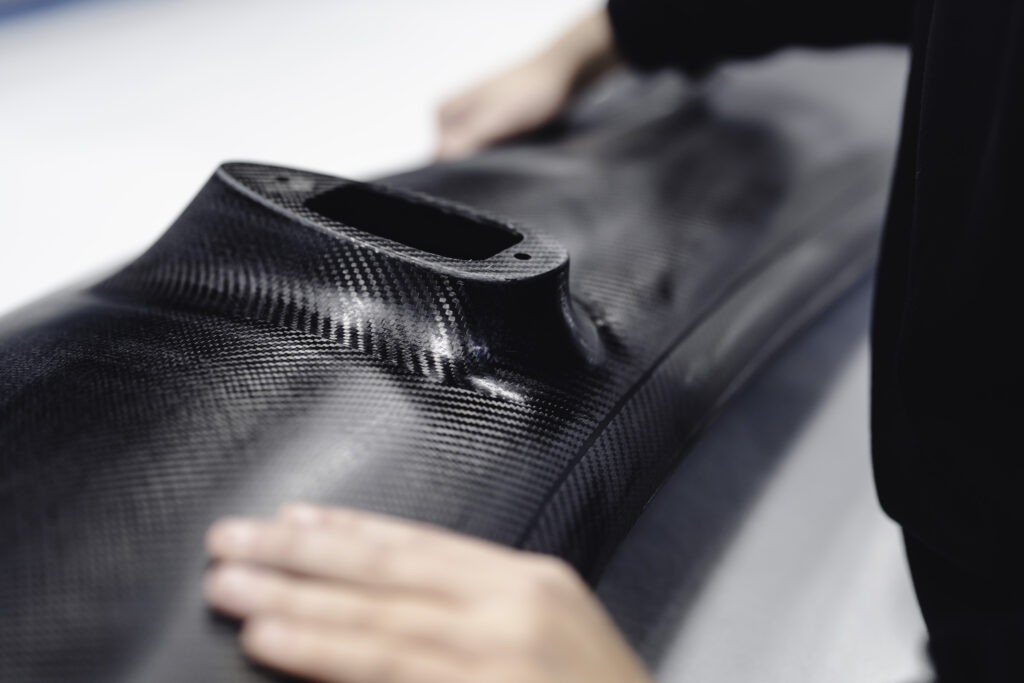
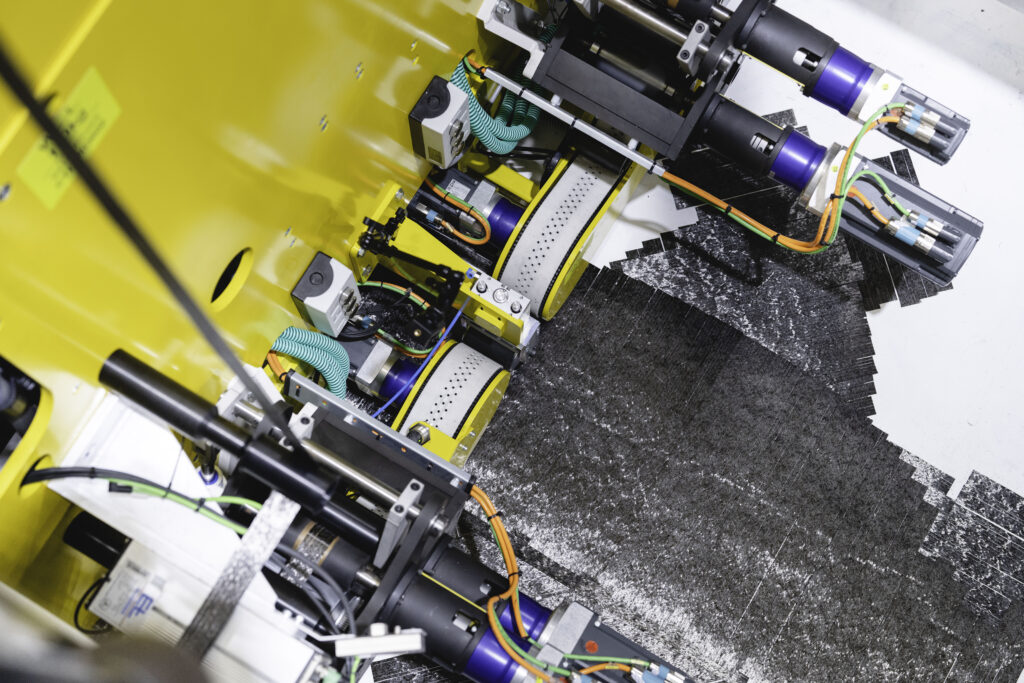
With the introduction of its innovative Automated Rapid Tape (ART) carbon manufacturing technique in 2025, McLaren Automotive has put sustainability at the heart of carbon fibre production. While reducing material waste by 85.7% compared with conventional production methods, ART technology also delivers significant improvements in the quality and consistency of components.
McLaren has been a pioneer of this carbon fibre ever since it was first used in the construction of the race team’s revolutionary McLaren MP4/1 Formula One in 1981. In the 45 years since, the company has become an industry leader in carbon fibre technologies, which has led to the creation of ART carbon.
Developed in-house at the McLaren Composites Technology Centre in South Yorkshire, this cutting-edge process uses a highly advanced, aerospace inspired tape deposition process that results in a reduction of waste material that would otherwise be discarded during the production process. Alongside the sustainability benefits, the resulting carbon fibre is lighter, stronger, and of even higher quality.
As a result, more than 95% of the raw tape material is used during the production process, while the incredibly accurate automated manufacturing techniques almost completely eliminate parts rejection and extra waste. Furthermore, McLaren has introduced a low energy curing process for carbon fibre components that uses up to 95% less energy compared with traditional methods.
Already used for components in the McLaren W1 supercar, ART carbon technology now unlocks even greater potential for future products. Crucially, it also offers the possibility of transforming the sustainable use of carbon fibre in engineering applications far beyond the automotive industry.
JLR – Industry‑first commitment to tyres made from renewable materials
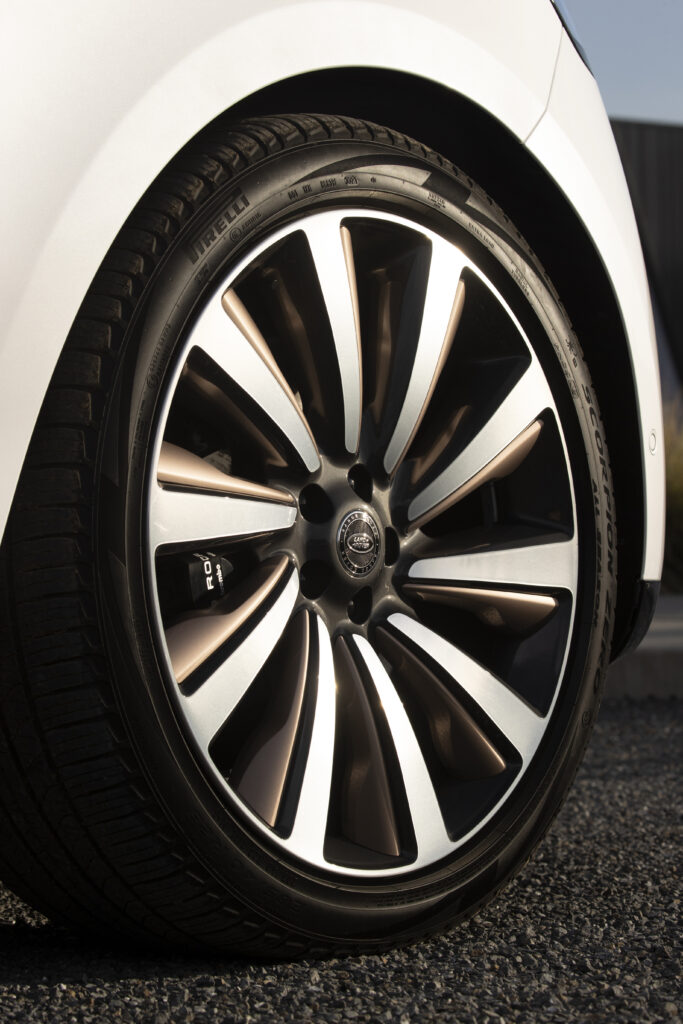
JLR was the first in the industry to introduce newly developed tyres containing more than 70% renewable and recycled materials such as silica from rice husks and plant-based resins, at scale.
Combining materials with reduced environmental impact without compromise on quality and performance standards, the new tyres are now available as standard on select New Range Rover models where a 22″ wheel is specified, ahead of a wider roll-out across its other brands.
Developed with tyre manufacturer Pirelli specifically for JLR, the new P Zero tyre contains silica, used to enhance wet performance in tyres, sourced from rice husks, a natural by-product of rice milling. Fossil-based polymers and resins, used to help optimise the balance between dry and wet performance, have been replaced with plant-based alternatives such as agricultural by-products or used cooking oils. The tyres also contain recycled materials, reducing reliance on primary source material to help alleviate resource consumption.
Carbon black, a crucial filler in rubber compounds used to improve stability, strength, and durability, is recovered from end-of-life tyres and recycled steel is used to enhance handling and stability.
Bio-based and recycled materials are generally more sustainable to obtain, more energy efficient to process, and easier to manage at end-of-life than virgin and fossil-based materials such as synthetic polymers and silica obtained from conventional materials such as quartz sand, yet perform as well, combining environmental responsibility and high-performance design.
Bentley -Brighter futures for adult apprentices and T-Level students
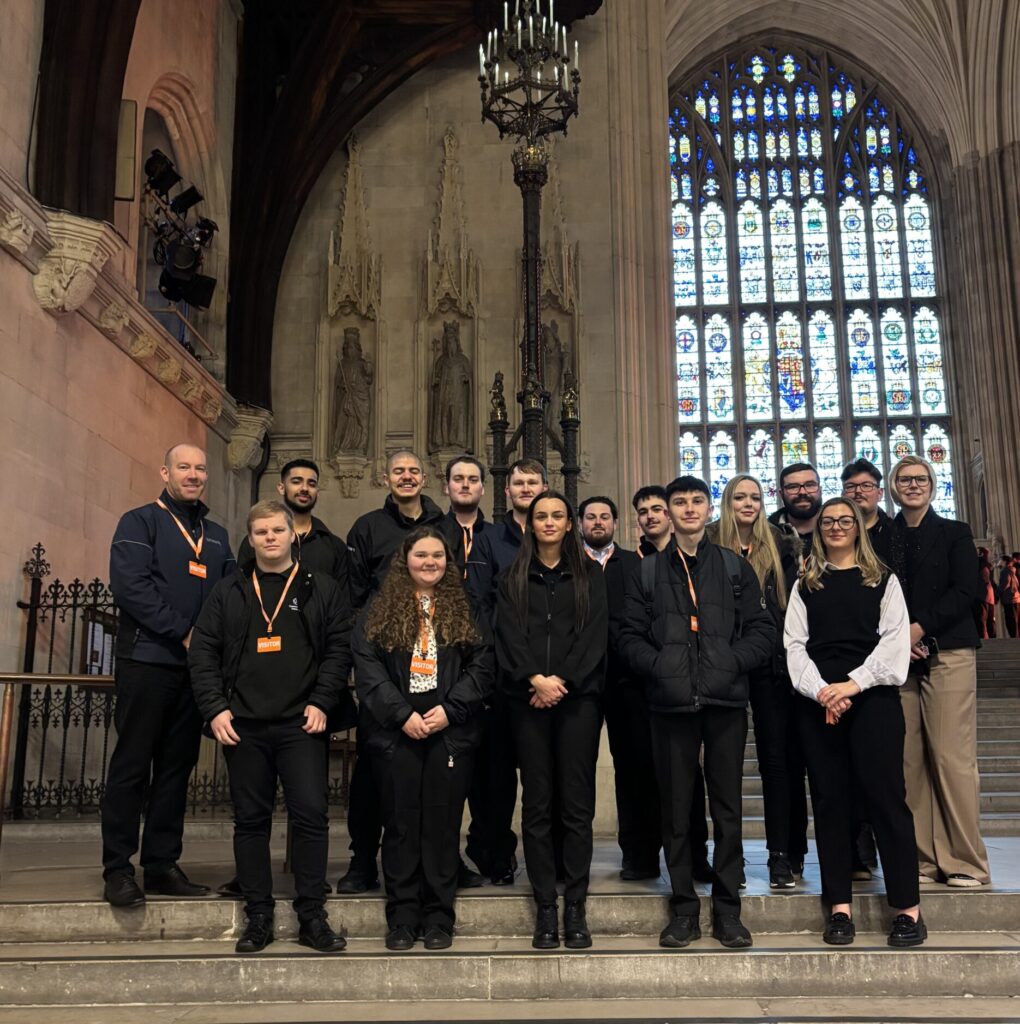
In 2025, Bentley launched its Adult Apprenticeships Programme for 55 of its employees (53 in manufacturing) aged between 20 and 60, enabled by a new 10-person team that backfills production while training is taking place. The cohort included specialisms such as electrical, polymer injection moulding, upholstery, LEAN management methodologies and production support. Bentley also partnered with Crewe Engineering and Design University Technical College (UTC) to select seven T-Level students for nine weeks’ placement learning over two years. These placements began in 2026. The introduction of T Levels is a new and exciting chapter for Bentley and is the latest development in its longstanding relationship with the UTC, which was co-founded by Bentley.
Volkswagen Group UK – Apprenticeships drive next‑generation automotive talent
During National Apprenticeship Week in February 2025, Volkswagen Group UK launched a number of new head office apprenticeship roles.
Volkswagen Group UK has around 1,000 apprentices in training at any one time, across its Service Technician, Customer Service and Paint and Body courses. Learners are employed by one of its 600 retail sites, with training and development completed in blocks in the network as well as at the National Learning Centre in Milton Keynes.
In 2025, Volkswagen Group UK expanded opportunities for those wanting to break into the sector, offering level 3, 4 and 5 apprenticeships at its head office in Milton Keynes. These roles cover Data, IT, Business and Finance.
Aston Martin – Supporting the Armed Forces community to grow and thrive
Aston Martin is proud to recognise the contributions and sacrifices of its service personnel and their families. In April, the company reinforced its commitment by signing the Armed Forces Covenant – a public pledge to support the Armed Forces community, including veterans, reservists, spouses, partners and cadet instructors. The Covenant is a promise to ensure fairness and respect for those who serve or have served in the Armed Forces, as well as their families. By signing, we’re strengthening our commitment to:
- Supporting Armed Forces community members in the workplace
- Welcoming applications from veterans, reservists, military spouses/partners and cadet instructors
- Providing dedicated internal support through the company’s Armed Forces Employee Resource Group
- Honouring key moments like Armistice Day to recognise service and sacrifice
I AM Armed Forces – part of the Aston Martin Inclusion Network – plays a key role in creating an inclusive environment where service leavers and military families feel supported and valued. Since launching last year, the network has brought together colleagues from across the business – including those with military experience and those who want to show their support.


Nissan – Delivering outstanding corporate social responsibility for the LGBTQ+ community
Nissan was presented with the ‘Outstanding Corporate Social Responsibility Award’ at the 2025 Metro Pride Awards in London for its exceptional efforts in supporting the LGBTQ+ community.
Nissan was recognised for its dedication to Corporate Social Responsibility (CSR) activities, particularly the Possibilities Project, which encapsulates multiple initiatives that foster inclusivity, equality and opportunity for individuals from all walks of life. It was nominated for the shortlist by members of the public and then chosen to win the accolade by a panel of expert judges.
Established in 2021, the Nissan Possibilities Project is Nissan’s longterm CSR programme that promotes Diversity, Equity and Inclusion, with a key focus on supporting the LGBTQ+ community by demonstrating tangible support through internal and external initiatives. Many of these were highlighted in Dare to Defy, a threepart Prime Video docuseries launched in December 2024 that focuses on breaking down barriers within sport for underrepresented communities. Dare to Defy is now available in 28 countries.
Stellantis – Instant access to British Sign Language Interpreters in partnership with Convo
Stellantis has partnered with Convo to provide British Sign Language (BSL) interpreters via a QR code at nearly 850 retailers across the UK covering the Vauxhall, Peugeot, Citroën, Fiat, Jeep, Leapmotor, Abarth, Alfa Romeo and DS Automobiles brands. The QR code allows almost instant access to a BSL interpreter for BSL users.
The Convo high speed video platform connects deaf customers to qualified BSL interpreters. Once the customer scans the QR code, an interpreter appears within moments on their phone. The customer signs to the interpreter, who relays the conversation verbally to the salesperson, enabling natural, realtime communication without the need for advance booking of interpreters.
For many deaf BSL users, visiting a car retailer can be a complicated and overwhelming experience, especially when discussing finance options, test drives or aftersales support. Traditionally, customers have had to pre-book interpreters in advance or rely on family members to translate often leading to delays, miscommunication, and a lack of independence. By introducing on-demand BSL interpretation, Stellantis aims to remove these barriers entirely and create a truly inclusive experience at its retailers.