This week, SMMT’s Electrified conference took a deep dive into the transition so far and the challenges ahead. A key part of discussion is how we decarbonise every part of road transport, not just cars.
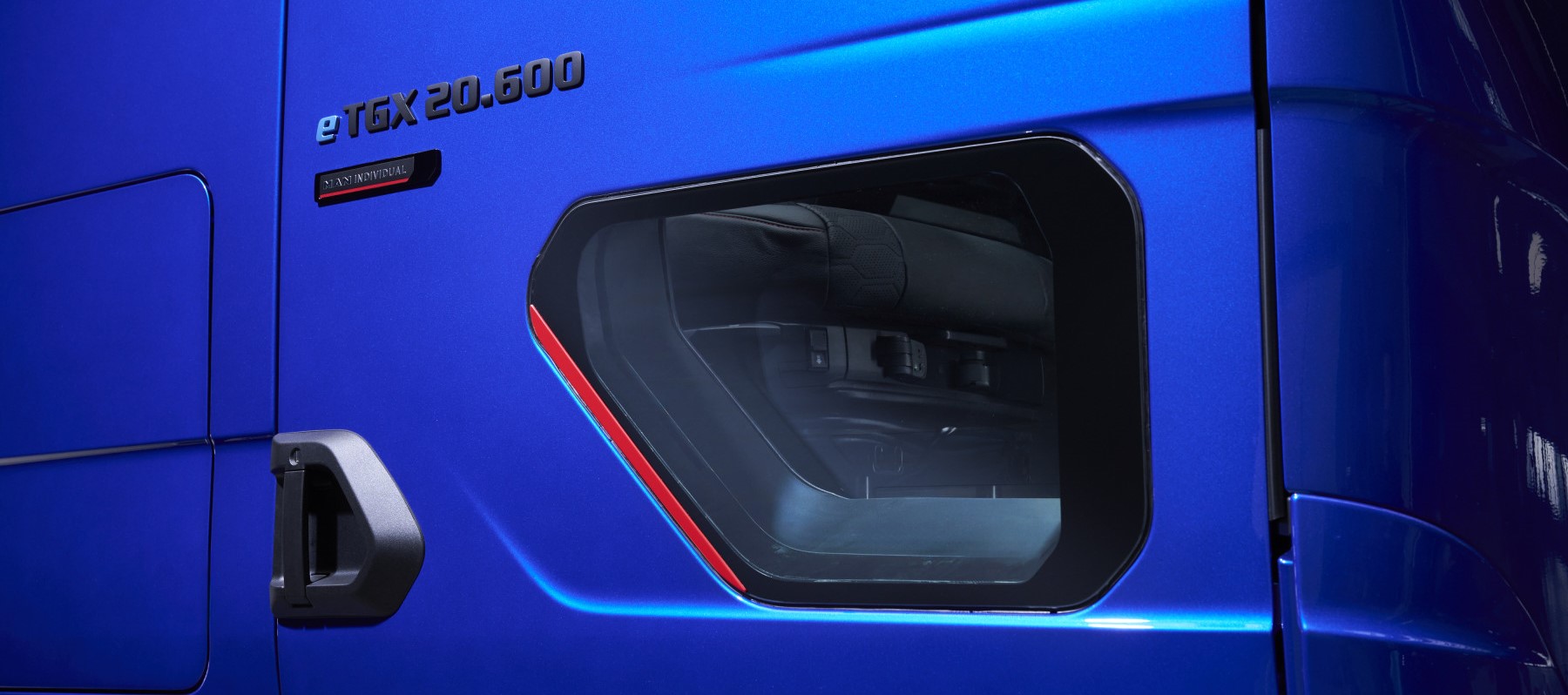
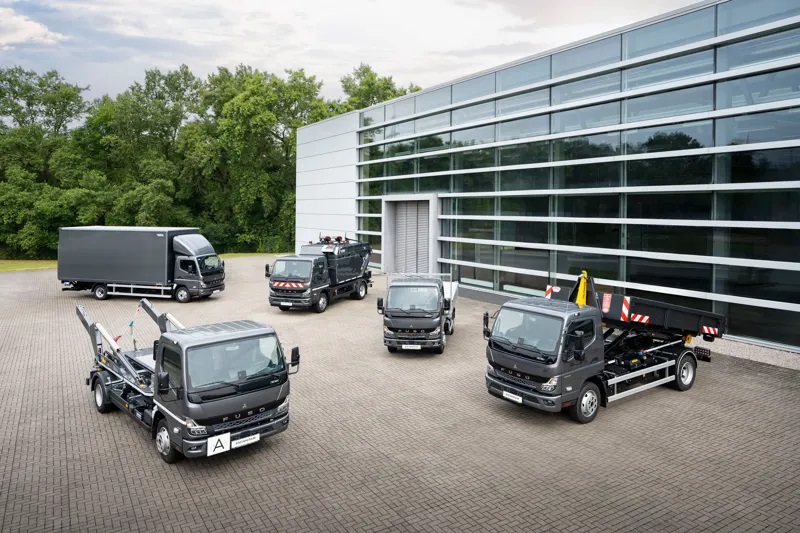
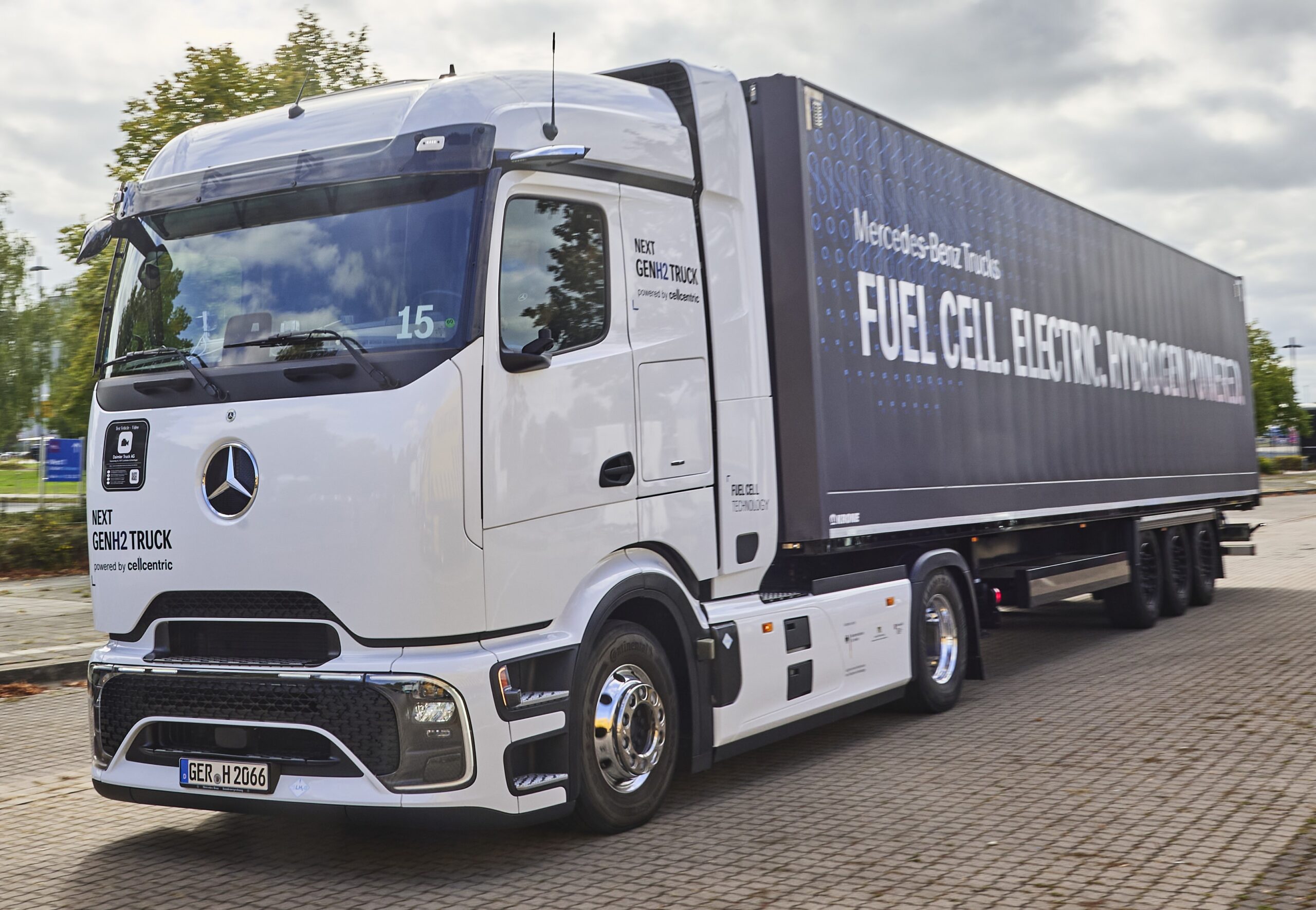
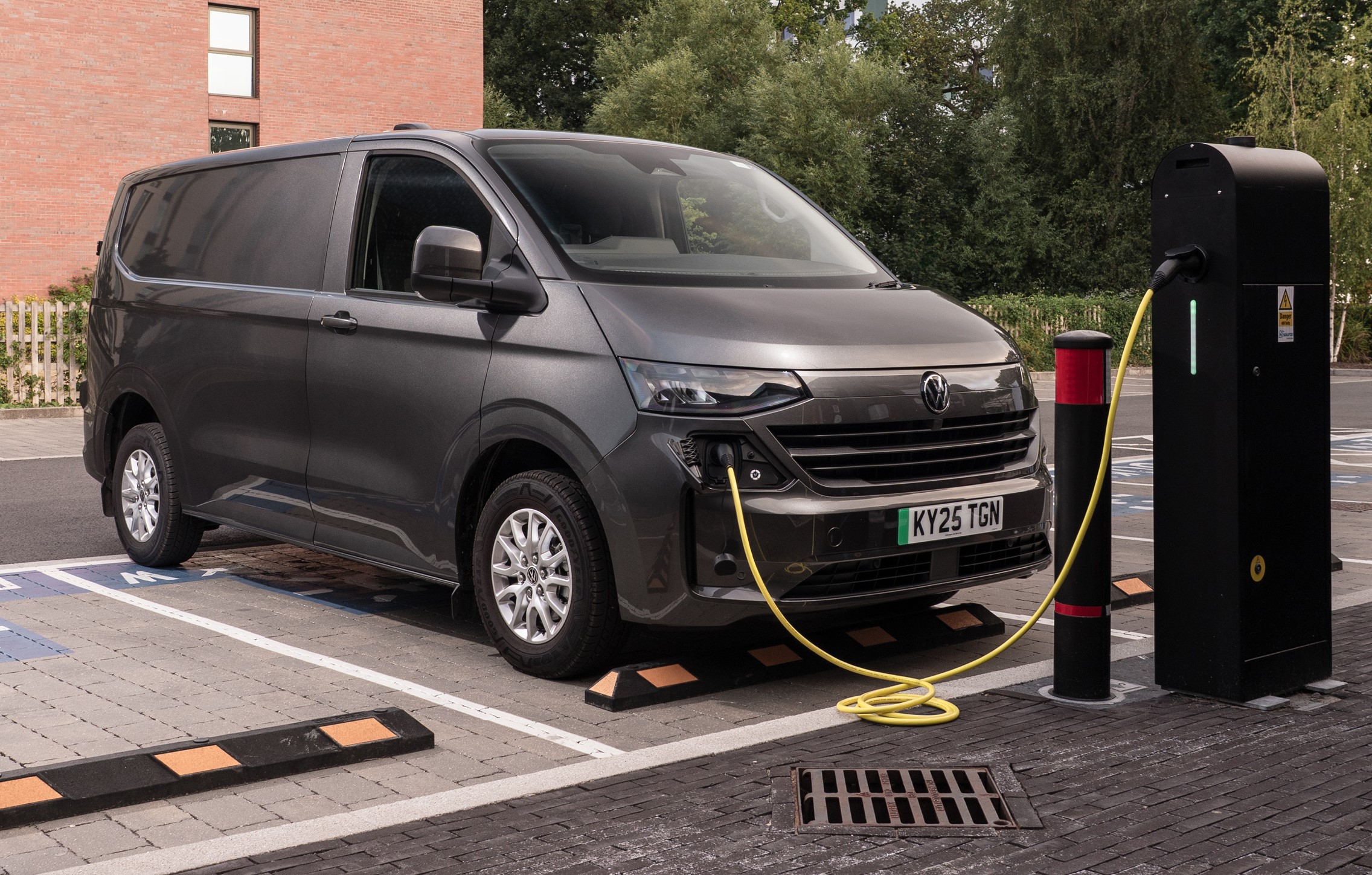
A new report launched at the event, Same Destination, Smarter Route, highlights how many of the assumptions made in the early 2020s – which directly informed the UK’s overall trajectory plan – have proved optimistic. The result has been the overall vehicle market transition has progressed more slowly than expected, and this is particularly evident when looking at commercial vehicles. Despite unprecedented choice, heavy discounting and targeted support, zero‑emission vans accounted for just 9.6% of new sales in 2025, barely half the mandated target. For HGVs, uptake remains marginal, with zero‑emission trucks representing just 1.4% of registrations, often driven by pilot schemes rather than organic demand.
This is not industry reluctance. Manufacturers have invested billions, brought products to market and absorbed vast compliance costs. The problem is practical reality. Fleet operators must balance payload, range, reliability and cost across diverse use‑cases – from urban deliveries to long‑haul logistics and specialist operations. High vehicle prices, patchy charging provision, lack of depot‑scale infrastructure and grid connection delays make transition decisions commercially challenging.
Crucially, infrastructure has not kept pace. Charging provision suitable for vans and HGVs is sparse, motorway targets have been missed, and grid connection queues now stretch into the next decade. For businesses operating on tight margins, these are not minor inconveniences – they are deal‑breakers.
Decarbonising commercial vehicles will happen, but only if policy reflects operational reality – which is why we need a review of the plan. The goal is about taking down tailpipe emissions, so we shouldn’t rule out any technology that helps us to achieve that.
The destination remains the same, net zero by 2050, but when the conditions change, so must the approach. Without a smarter route for vans and trucks, the UK risks undermining supply chains, raising costs for businesses and slowing progress to net zero itself.