Describe what Voltempo does?
Our mission is to accelerate the adoption and optimisation of electric freight solutions, with our end-to-end service and HyperCharger Megawatt Charging System (MCS). We work closely with clients to identify optimal sites for fleet electrification and manage complex grid connections, taking the pain out of the process. The HyperCharger offers dynamic, data-based charging options that adapt to clients’ needs, delivering over 1MVA of power.
This patented technology enables the simultaneous charging of multiple vehicles at optimum speeds, ensuring fleet optimisation and high utilisation. The HyperCharger system provides rapid, reliable EV charging at scale, keeping fleets on the road and minimising downtime.
We are also spearheading the eFreight 2030 initiative, which aims to electrify HGVs across the UK. With a £76m fund and a consortium of industry partners, it is building the largest HGV-only EV depot charging network, and providing national coverage.
Tell us about Voltempo’s DepotCharge agreement involving Openreach, Welch Group and Corpay?
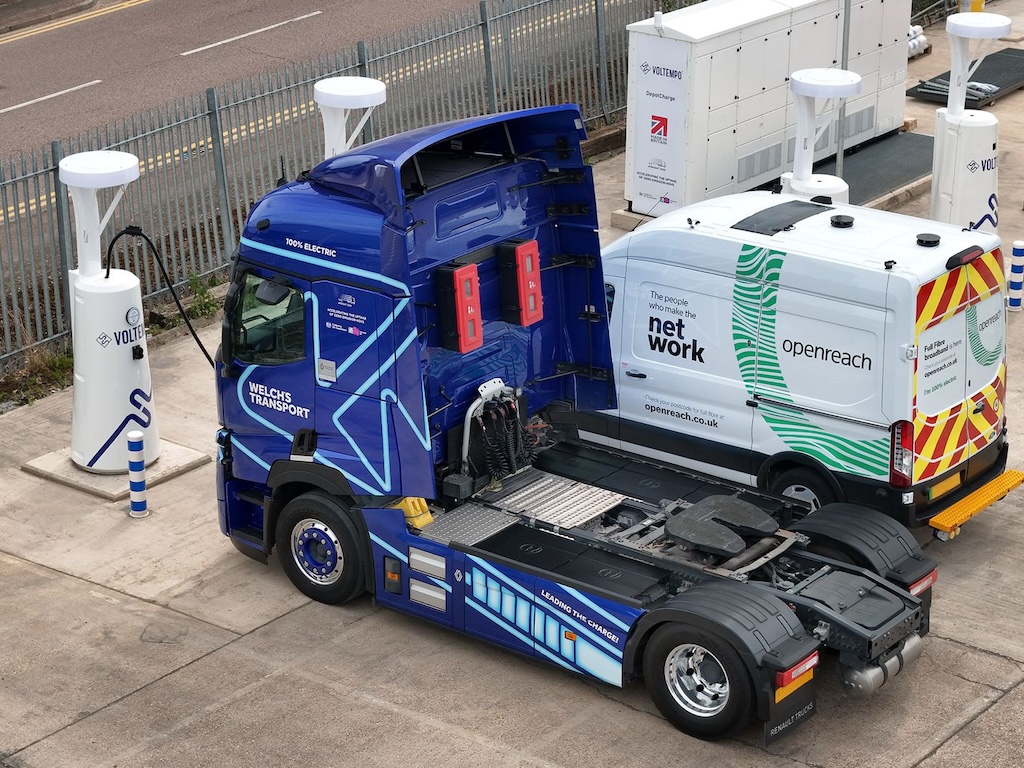
We now have the first live deployment of our DepotCharge solution with East of England-based freight, haulage and logistics business Welch Group, enabling Openreach, the UK’s largest digital network, to access shared, cost-competitive and bookable depot charging.
Delivered through Voltempo’s Depot Charging as a Service (D-CaaS) model and Corpay’s global fleet payment platform, the solution integrates charging infrastructure, energy procurement and fleet payments into a single, streamlined system.
Welch Group is demonstrating how SMEs can play a central role in fleet electrification, using its depot infrastructure to support both its own operations and third-party fleets such as Openreach.
Under Voltempo’s DepotCharge model, Welch Group retains full operational control while enabling secure, bookable access to excess capacity, allowing it to improve utilisation and generate new revenue.
Voltempo and Corpay will also look to procure energy on behalf of Welch Group using a bunkering-style approach that improves cost certainty, resilience and overall total cost of ownership. This includes access to renewable, traceable energy to support more accurate sustainability reporting, further strengthened at Welch Group by on-site solar generation.
The approach illustrates how shared depot infrastructure can provide a commercially viable route to electrification across both smaller operators and large corporate fleets.
What are the benefits for Openreach employees?
Openreach operates the UK’s second-largest commercial fleet and now has nearly 7,000 electric vehicles on the road.
Engineers from Openreach already use a mix of home charging, public charging and chargers at operational sites, and this model adds further secure, bookable charging at operational sites for engineers who can’t charge at home.
Through Corpay’s global fleet payment platform, Openreach engineers can pay for charging using existing EV charge cards, including Allstar Chargepass, within a single, streamlined billing relationship.
Its participation provides clear validation of the model at scale, demonstrating how shared depot infrastructure can accelerate electrification without significant upfront investment.
How important is this agreement?
This is a pivotal moment for the industry. We’ve moved from talking about the challenges of electrification to actively solving them at scale. By integrating infrastructure, energy and payments into a single solution, we are removing the biggest barriers to adoption; cost, complexity and access. What’s critical is that this model works for everyone, from innovative SME operators like Welch Group to major fleets like Openreach.
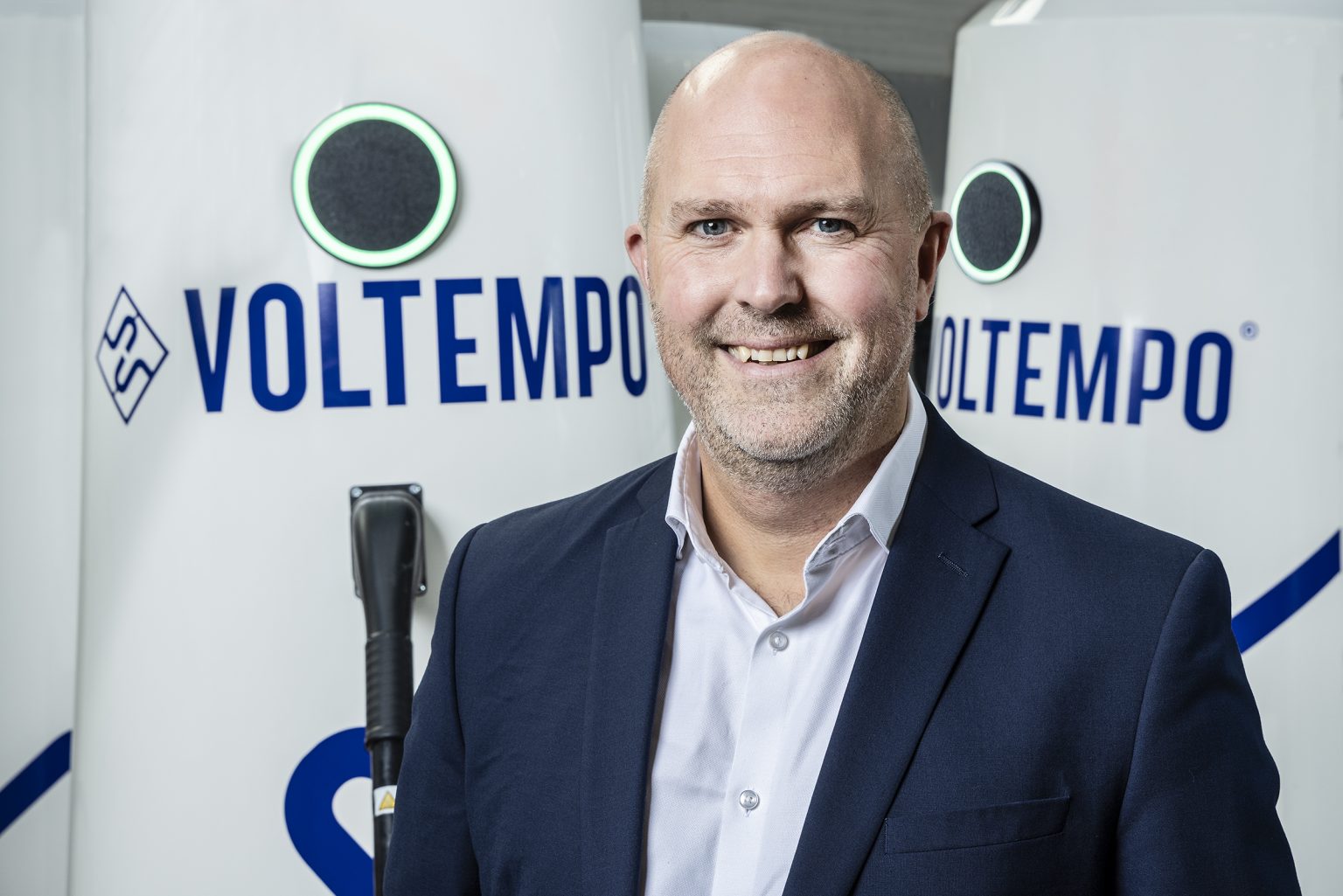
Simon Smith
CEO of Voltempo