Commercial vehicles are keeping the UK moving in record numbers with almost 700,000 vans, pickups, 4x4s, HGVs, buses, coaches and minibuses in use across the country, SMMT’s latest Motorparc data for 2025 shows. Given these vehicles are quite literally a driver of the UK economy, forming the backbone of our supply chains, public services and transport networks, it is critical that Britain continues to sustain a robust and capable fleet.
Light commercial vehicles (LCVs) rose by 1.4% year-on-year to more than 5,175,000, rounding off the fastest growth of any vehicle type in the past decade – including cars – having risen by 29.2% since 2015. HGV numbers, meanwhile, are up by a more slight 0.2%, with more than 626,000 in operation – and remain a source of pride in British manufacturing with UK-made models the most popular, representing more than a quarter of the truck fleet.
The bus, coach and minibus fleet also rose, for the first time since 2021, up 0.2% to 71,300 units. While that remains a third lower than peak bus volumes in 2007, impressive investment last year brought the best year for fleet renewal since 2008, reflecting the UK’s renewed commitment to public transport. Zero emission buses have underpinned that commitment, with more than 2,500 joining the road last year – although it is important that greener rollout reaches more parts of the country. London continues to have the highest proportion of ZEVs, representing almost a quarter of its fleet, followed by Scotland at 9.7%, while passengers in the West Midlands would be lucky to ride a ZEV given they represent just 0.8% of the region’s fleet.
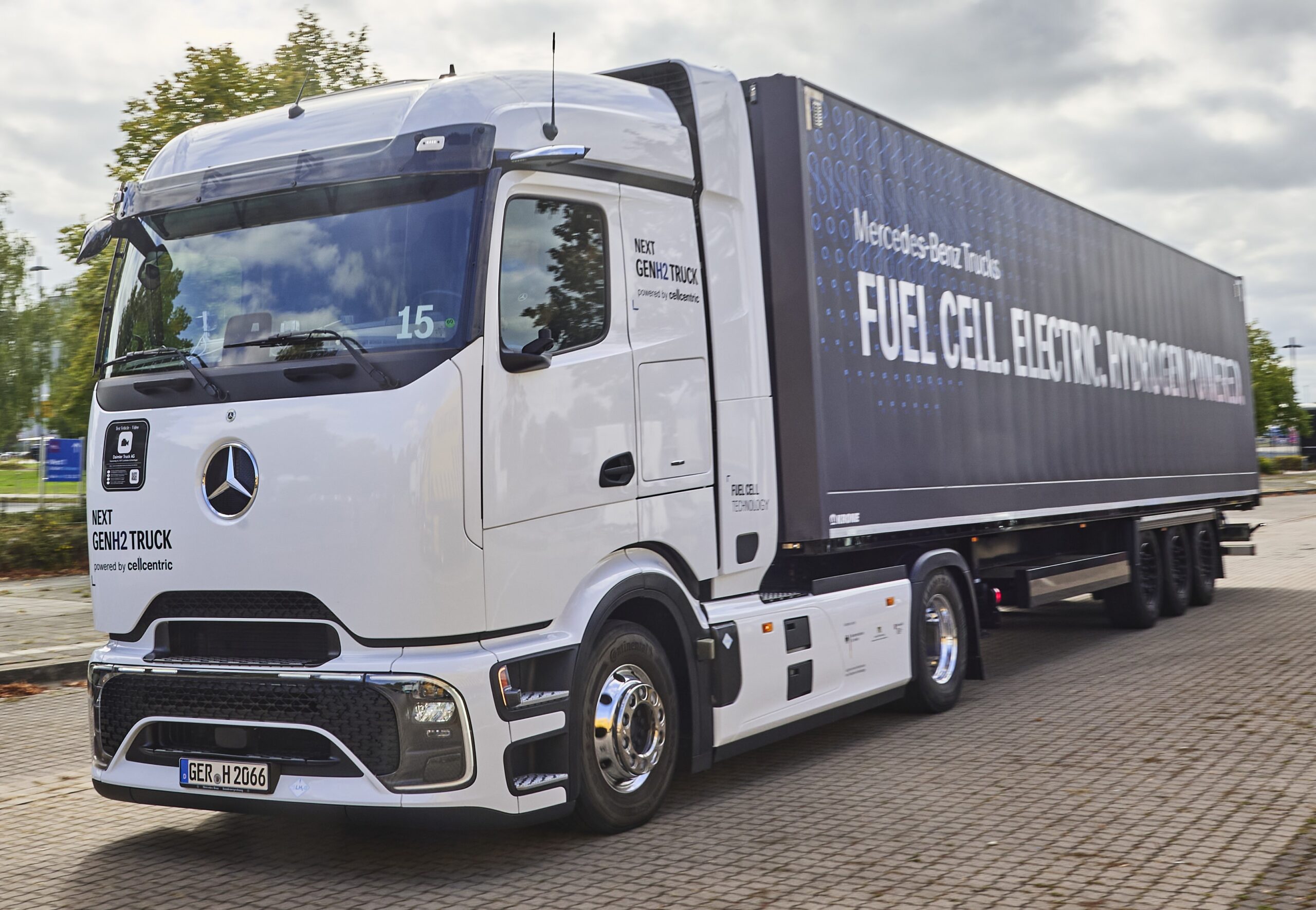
Early progress is also being made in the LCV and HGV sectors, with battery electric vans now exceeding 100,000 units in use, while more than 1,000 zero emission HGVs have been registered to date. These volumes are only a fraction of the overall fleet, however, underlining the scale of the challenge of delivering Net Zero. A more encouraging environment for operating zero emission fleets is essential, particularly through more easily accessible depot and public infrastructure.
Market regulation that reflects the realities facing fleet operators is needed, given van operator confidence remains far behind mandated ambition, while HGV decarbonisation is only just beginning. With the right regulatory approach, the UK can deliver a successful transition without heaping costs on operators and, therefore, consumers – keeping the UK economy and society moving with a vibrant fleet while cutting emissions for good.