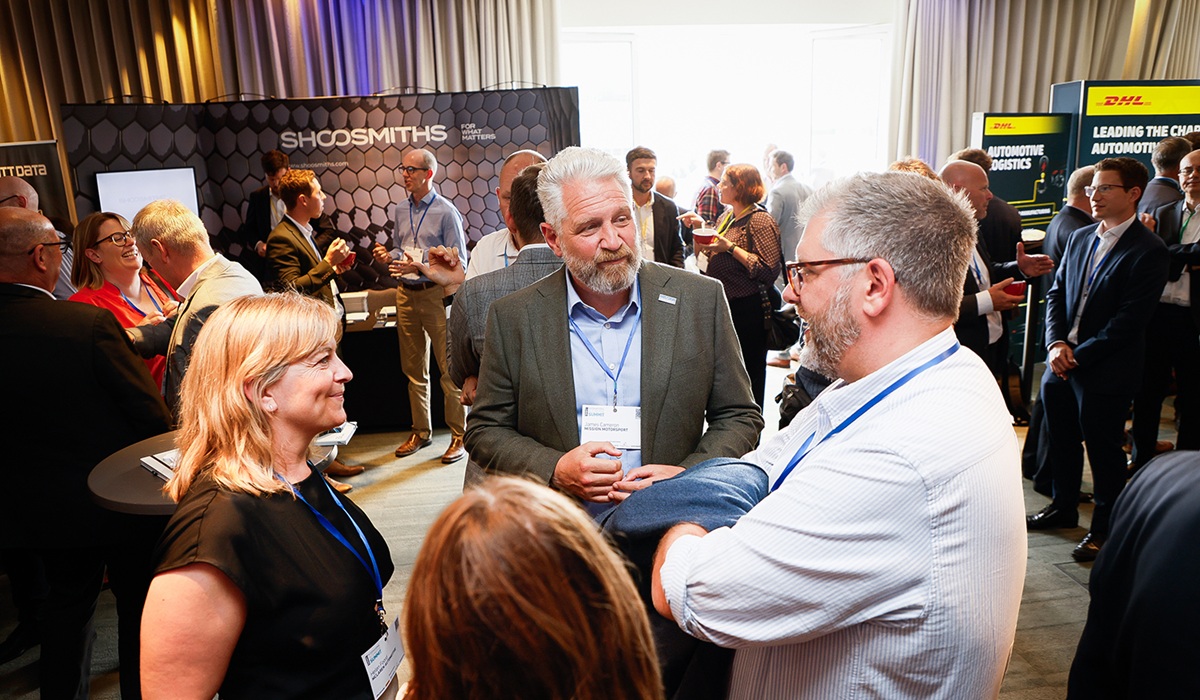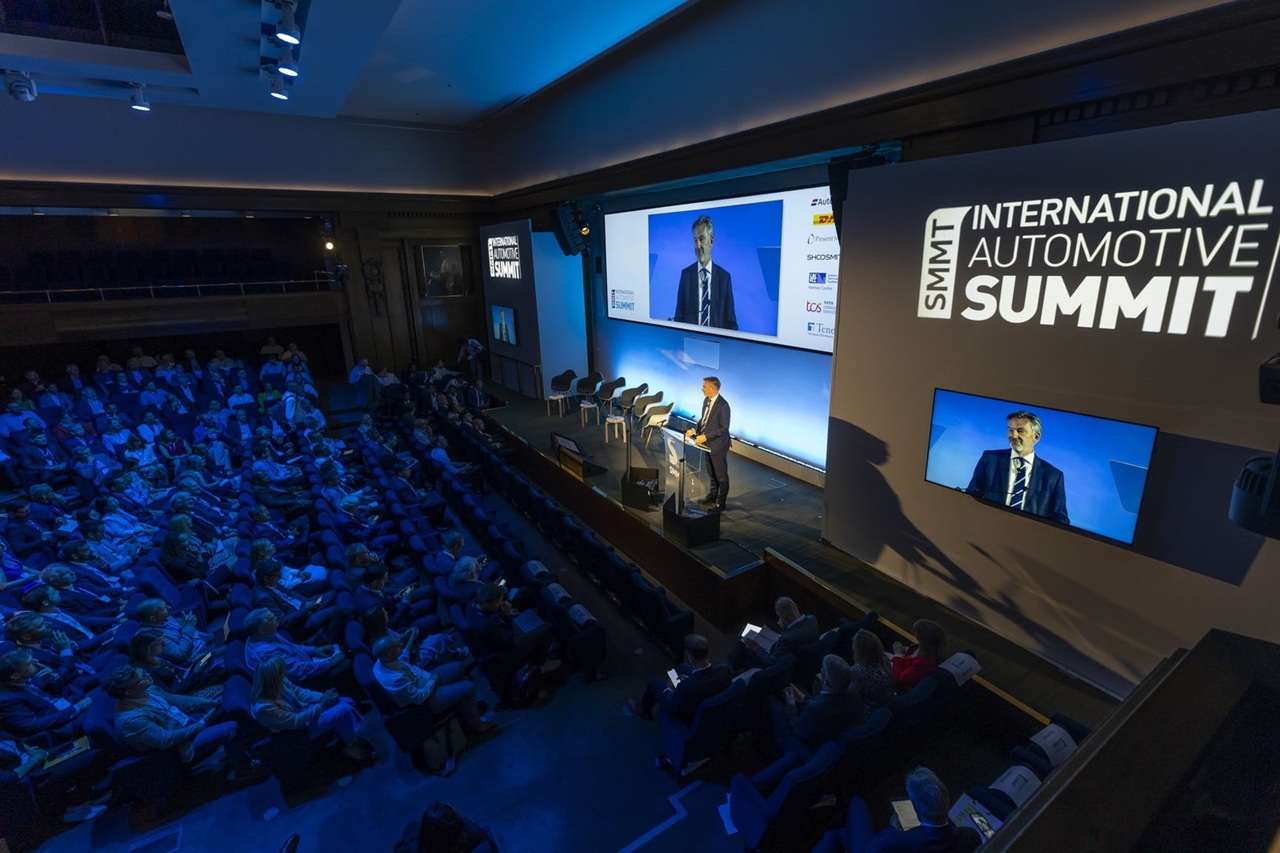
The automotive industry depends on strong networks, shared knowledge and well-timed commercial conversations. Manufacturers, suppliers, technology businesses, policymakers and service providers all operate in a sector where trust is built through relevance and consistent industry participation.
Conference sponsorship gives brands a focused way to join those discussions, build credibility, and connect with audiences directly relevant to their work.
Through SMMT’s tailored partnership and exhibiting opportunities, members and non-members can engage with automotive audiences across conferences, seminars, reports and activity in the UK and key international markets.
Why Sponsor a Conference?
Sponsoring a conference gives brands a way to engage with a focused industry audience in a setting built around shared priorities. In the automotive sector, that audience may include manufacturers, suppliers, policymakers, technical specialists and commercial partners, all gathered around the issues shaping the sector.
The opportunity is strongest when the conference topic reflects the sponsor’s expertise. A sponsor can connect its brand to a subject, session, or conference that reflects its expertise, whether that lies in technology, manufacturing, logistics, finance, infrastructure, or professional services.
It also works best when there is a clear purpose behind the sponsorship. Some businesses may want to raise their profile, while others may want to support a new market entry, strengthen relationships or start conversations with specific decision-makers. Those goals should shape the type of opportunity a brand chooses.
How Automotive Conferences Differ from Trade Shows and Exhibitions
Trade shows and exhibitions are often built around product visibility, demonstrations and conversations on the show floor. They suit businesses that need to show technical capability, present new products or meet a wider group of contacts in one place.
Conferences are more content-led. The agenda, speakers and discussion themes create a more structured environment for sharing views, exploring industry challenges and hearing from senior voices across the sector. For sponsors, that usually means the opportunity is less about physical display and more about credibility, relevance and association with a specific area of industry interest.
That difference should influence how packages are compared. An exhibition may place greater emphasis on stand positioning, footfall, and product interaction, while a conference may place greater weight on speaking opportunities, session alignment, delegate access, senior networking, and digital visibility before and after the event.
For brands with a complex offering or a strong point of view, a conference can provide a space to demonstrate expertise in a more considered setting.
Key Reasons to Consider Sponsoring a Conference in the Automotive Sector
A well-chosen automotive conference gives a brand access to a specific and informed audience. The people in the room are usually there because the subject connects to their work, whether that involves manufacturing, supply chain planning, policy, technology, retail or mobility.
That makes the setting useful for businesses with a more technical or considered offer. A conference allows them to build recognition around the topics they already understand, rather than relying on broad awareness activity. Speaking opportunities, sponsored sessions, and senior networking can all help turn visibility into more meaningful engagement.
Credibility also matters in a sector where relationships often develop over time. Being associated with a respected industry event can show that a business is active, informed and serious about its role in the market.
The value can extend beyond the conference itself. Conversations started at a conference may lead to follow-up meetings, partnership discussions or a better understanding of where the sector is heading. For many sponsors, that combination of access, relevance and insight is the real commercial benefit.
Understanding Conference Sponsor Packages: What to Look for and Compare
Sponsorship packages can vary widely, so it is worth looking past the title and checking what is actually included. The right option should match the audience, the required level of visibility, and the team’s ability to make use of the opportunity.
Brand exposure may include logo placement across event materials, signage, email communications, websites, delegate packs, presentation screens or post-event content. This can be useful for awareness, but it should be weighed against the chances to speak, meet people and start useful conversations.
Speaking rights are often more valuable where a brand has a clear point of view to share. A panel role, session introduction or short presentation can give the sponsor a more active presence and connect its expertise to the conference theme. Moderating a session can also help frame the individual as an expert in that field.
Digital visibility also deserves attention, especially where the event includes webinars, online agendas, email promotion, social content or follow-up materials. For businesses with longer sales cycles, this can help keep the brand visible beyond the day itself.
Access should also be considered. Delegate passes, hosted meetings, dinner attendance, VIP access, or introductions to relevant groups can all affect the commercial value of the opportunity.
Conference Sponsor Opportunities: What Formats are Typically Available
Sponsorship can take several forms, depending on the conference and the level of involvement a brand wants.
Headline sponsorship usually provides the highest level of visibility, with the brand associated with the overall event across key communications, signage, and delegate materials. It can work well where the aim is to build wider recognition or support a major industry theme.
Panel moderation or speaking opportunities are more focused. A brand may support a panel, keynote or discussion linked to its area of expertise, such as electrification, trade, skills, supply chain development, manufacturing efficiency or digital transformation.
Networking and dinner sponsorship can be useful when relationship building is the priority. These formats give sponsors a more natural setting for conversations with senior stakeholders and industry contacts.
Briefings, workshops and seminars provide an opportunity to have a select audience focussed on a specific topic that compliments the conference agenda in a stand alone session.
Digital event sponsorship can extend reach beyond a physical venue. It may support content sharing, lead generation and continued visibility, especially where a business wants to engage contacts across different locations.
Through SMMT, businesses can access partnership and exhibiting opportunities across major conferences, exhibitions, buyer-supplier matching forums, specialist workshops, webinars, trade delegations and overseas missions.
How to Evaluate Whether Sponsoring a Conference is Right for Your Business
The starting point should be the commercial reason for sponsoring. A business may want to raise its profile, support a new market entry, build relationships with senior contacts, strengthen its position around a specific topic or create opportunities for future partnerships and new business. Those aims should guide the choice of event, package and follow-up activity.
Audience fit is especially important in the automotive sector. An automotive supplier may be looking to reach procurement or engineering leads, while a technology provider may want to engage manufacturers, innovation teams or mobility businesses. A professional services firm may be more focused on senior executives, investors or policy stakeholders. The opportunity is stronger when the people in the room reflect the audience the business genuinely needs to reach.
The conference theme should also connect naturally with the sponsor’s expertise. A business does not need to comment on every issue facing the sector, but it should be able to show why its experience is relevant to the conversation taking place.
The final consideration is whether the team is ready to make proper use of the opportunity. Conference sponsorship works better when representatives are well briefed, the message is clear, and follow-up materials are prepared before the conference. Cost should then be judged against the likely value of the access, visibility and conversations created, rather than the package price alone.
Measuring the ROI of Automotive Conference Sponsorship
Return on investment is easier to assess when the measures are agreed upon before the conference. A sponsor focused on awareness may look at brand visibility, website traffic, social engagement, content downloads or direct enquiries. Where the priority is relationship building, the more useful measures may be meetings held, senior contacts made, and follow-up conversations secured.
Lead generation should be judged on quality as well as volume. An automotive conference may produce fewer leads than broader marketing activity, but the contacts are often more relevant, better informed and closer to the issues the sponsor wants to address.
There is also strategic value to consider. A conference can help a brand understand market direction, strengthen its reputation, support policy awareness or deepen existing relationships. These outcomes may take longer to convert, but they can still contribute to future business development.
What Makes Automotive Industry Conference Sponsorship Valuable?
Automotive buying decisions are often complex. They may involve technical teams, procurement leads, senior management and external stakeholders, with decisions made over longer periods and against strict commercial, regulatory or operational requirements.
That makes trust and familiarity important. A conference gives brands a setting where they can take part in serious industry conversations, hear the priorities being discussed and show how their expertise connects to the challenges facing the sector.
The value also comes from the mix of people and topics in the room. Policy, infrastructure, manufacturing, trade, sustainability and investment are closely linked in automotive, so conferences can bring commercial and strategic discussions together in a way that broader marketing activity often cannot.
For sponsors, this creates an opportunity to build recognition with a relevant audience while gaining a clearer view of where the market is heading.
Building Stronger Industry Presence Through SMMT
Conference sponsorship works best when it is relevant, well planned and connected to a wider commercial strategy. The right opportunity can help a business strengthen its profile, support thought leadership and build relationships with the audiences most relevant to its growth.
SMMT’s custom partnership and exhibiting opportunities give members and non-members a structured way to engage with the automotive sector across UK events, international activity, webinars and reports. For businesses looking to contribute to industry discussions, connect with senior stakeholders, or build a presence in a focused market, SMMT provides a credible route into the conversations shaping the sector.
SMMT offers a number of tailored partnerships and exhibiting opportunities in the automotive industry for both members and non-members to help their businesses grow. These opportunities include physical events in the UK and key international markets, as well as webinars and reports.

Find out how your company can partner with SMMT.
"*" indicates required fields
Brand Partnerships in the Automotive Industry: Strategy, Examples and Opportunities
2 Jul 2026Why Sponsor a Conference in the Automotive Industry? A Guide for Brands
2 Jul 2026
Exhibitor Checklist: What To Prepare For An Automotive Trade Show
1 Apr 2026
How to Network at Automotive Events in the UK
1 Apr 2026
The Benefits of Sponsoring an Automotive Industry Event
2 Jul 2026