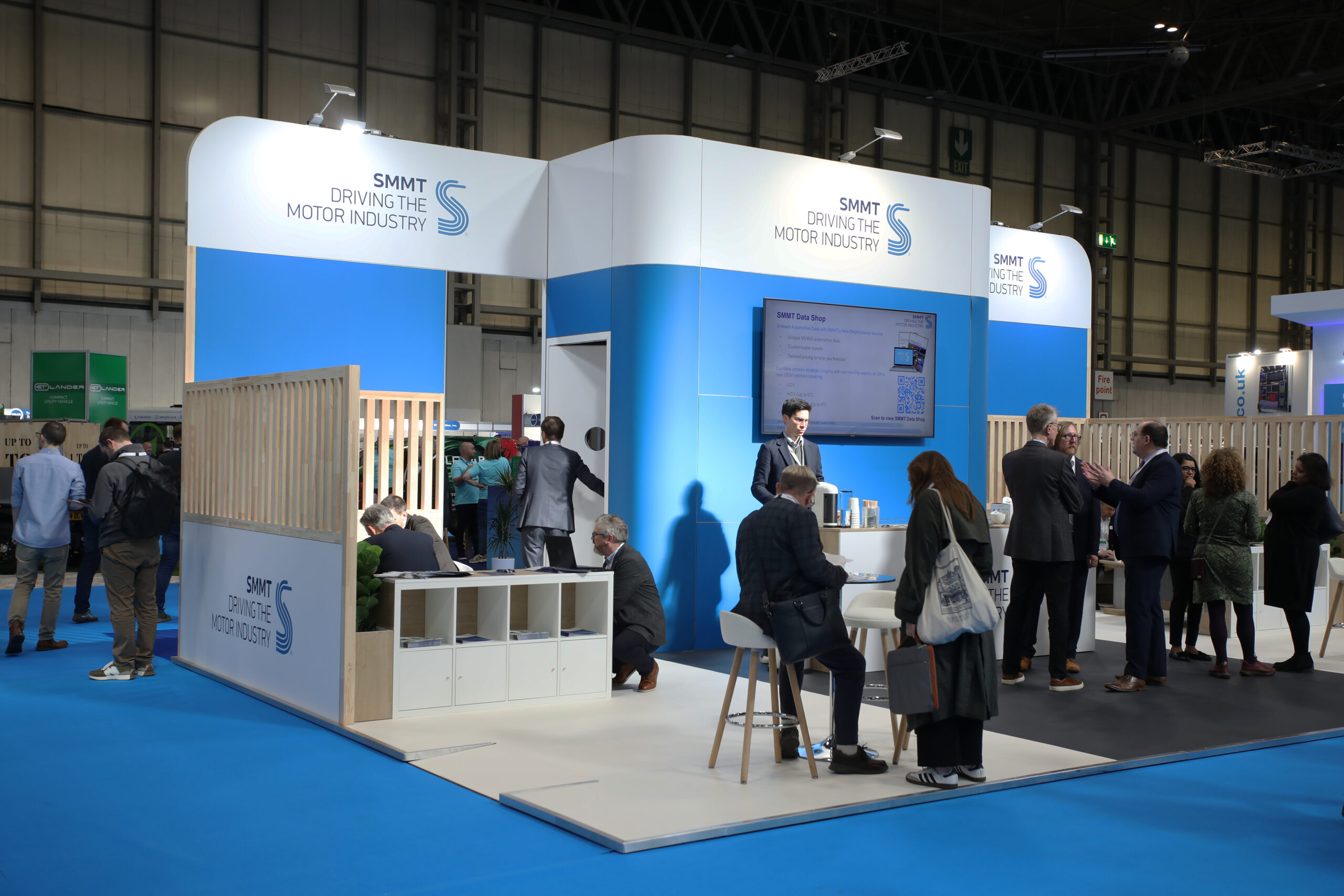
The latest SMMT registration data published this week underlines the strength and resilience of the UK bus, coach and minibus sector despite ongoing headwinds facing operators. New registrations rose 3.1% in the third quarter of 2026 to 2,065 units, delivering the market’s first quarterly growth this year. While year-to-date volumes remain below 2025’s exceptional 17-year high, the return to growth shows fleet renewal continuing at pace.
That progress is especially visible in the double-deck market, where registrations climbed 64.2% to 729 units as long-term urban renewal programmes driven by franchising initiatives translate into deliveries. Minibuses remained the largest segment at 858 units, despite a modest decline, underlining the significant and often unsung role these vehicles play in supporting public services and rural communities across Britain.
The success story is clearest in the transition to zero emission buses. Registrations of zero-emission buses grew 11.9% to 630 units, taking a 30.5% share of the market. In 2026 so far, they account for just over one in three new registrations – a substantially higher proportion than in any other UK vehicle segment. The UK is also Europe’s second-largest zero-emission bus market by volume this year, demonstrating continued leadership in decarbonising public transport.
This achievement reflects sustained commitment from manufacturers, operators and local transport authorities to decarbonise the UK’s bus fleet. England recorded particularly strong renewal, with registrations up 10.6% to 1,926 units, driven by a transition to regulated markets across numerous mayoral authorities. The opportunity now is to ensure that operators in every region can participate fully in the next phase of the transition.
With the right conditions, the UK can build on this momentum. Expanding schemes such as ZEBRA and ScotZEB would help more operators manage higher upfront vehicle and depot costs, while faster grid connections would remove a major practical barrier. England’s £2 bus fare cap, due to take effect in January 2027, will also strengthen confidence in passenger demand.
Together, these measures can unlock further investment, accelerate renewal of the nation’s ageing fleet while securing significant carbon savings and improving air quality. The UK bus sector is proving that successful decarbonisation can go hand in hand with improving passenger journeys, industrial capability and nationwide economic opportunity.