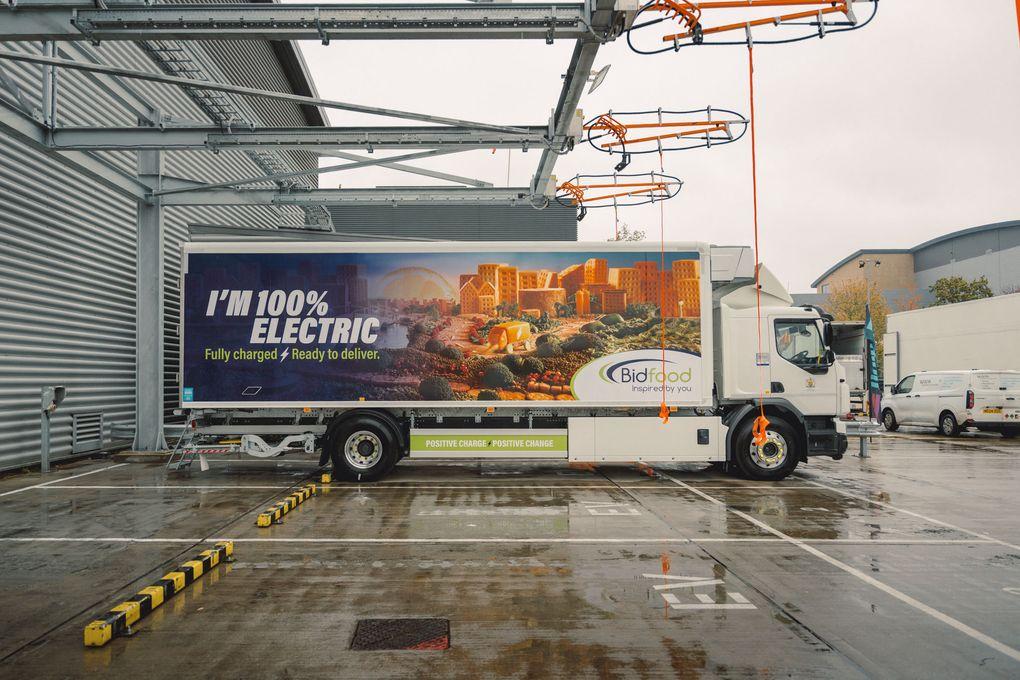
The next round of the Department for Transport’s Depot Charging Scheme is a welcome step toward tackling one of the biggest barriers to decarbonising heavy-duty vehicles: the availability of reliable, suitable charging infrastructure.
For operators, the transition to zero emission HGVs and coaches is not simply a question of purchasing new vehicles. Depots must have the power capacity, charging equipment, space and operational flexibility needed to support intensive commercial use. Grant funding schemes can help businesses begin that process, demonstrate what works in practice and build confidence sector-wide. They can also encourage collaboration between hauliers, coach operators, infrastructure providers, energy companies, local authorities and manufacturers, sectors which historically have worked in their respective silos.
However, funding alone will not resolve the challenges ahead. Grid availability remains a fundamental constraint. Securing a connection with sufficient capacity can take years in some cases, particularly where depots are located in areas with limited network infrastructure or where several customers, often from a variety of sectors, are competing for available power. The complexities of reinforcement must therefore be addressed alongside the capital cost of chargers and vehicles.
Without a more coordinated approach to network planning, projects supported by public funding could still face lengthy delays.
There are legal and regulatory challenges too. Depot developments typically require planning consent, changes to leases, construction approvals and negotiations over access and land use. These steps often take far longer than most parties initially anticipate, contributing to unexpected project delays with knock-on effects for business operations.
That is why sharing the lessons learnt from decarbonising depots is critical to informing future deployments, ensuring operators are equipped with all the information they need to efficiently install charging infrastructure.
DfT’s next funding round offers valuable support to maintain momentum, but it must go hand in hand with work to remove the wider bottlenecks that existing projects are bringing to light. From grid connections to planning and legal agreements, preparing depots for zero-emission vehicles involves much more than simply buying a charger.
Addressing these challenges alongside continued investment will be essential to turning early progress into wider deployment.