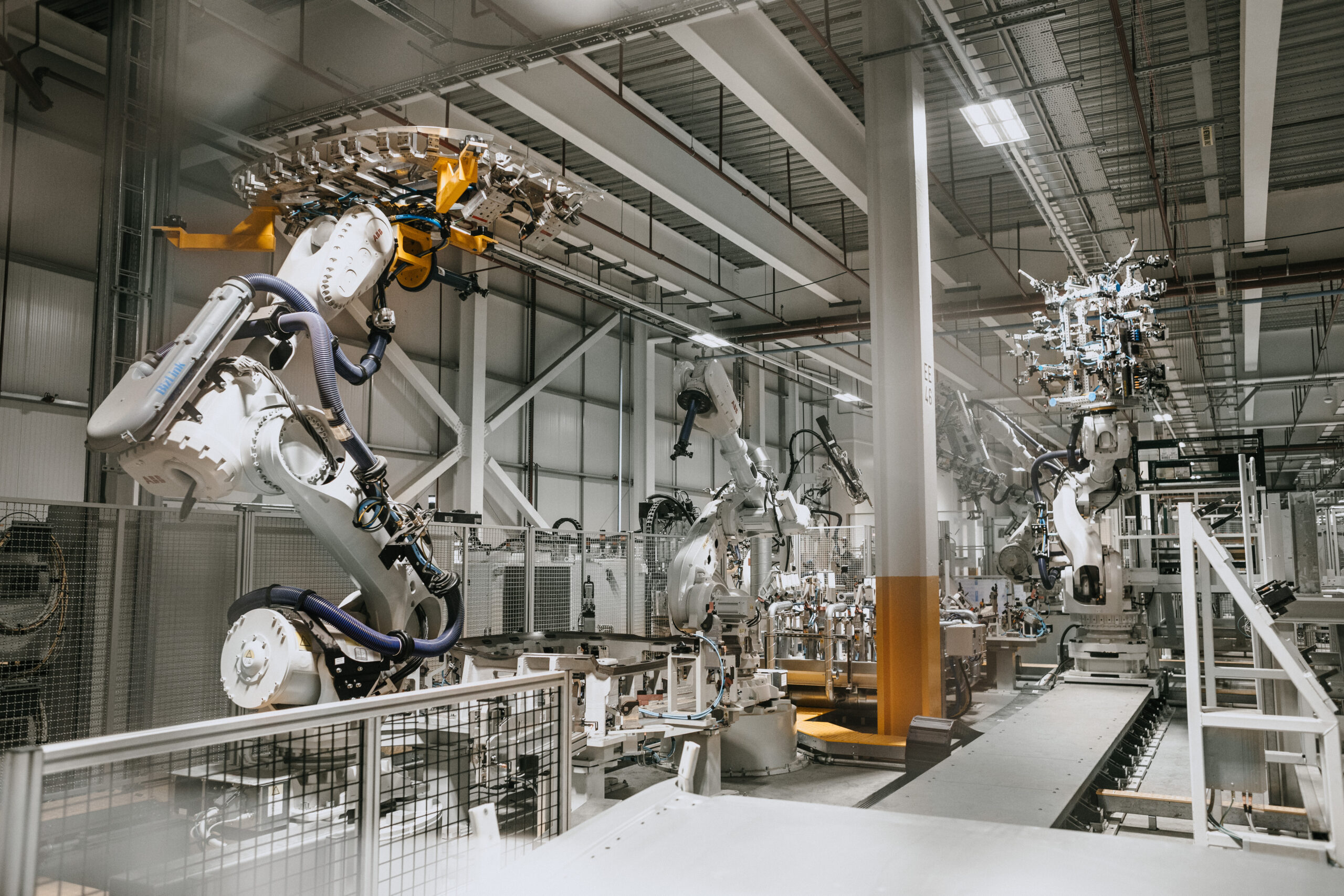

This week underlined the automotive industry’s capability to drive UK investment, decarbonisation and regional growth with two major announcements in next-generation products and jobs. McLaren’s £500 million commitment including a new model, carbon fibre development and 1,000 new skilled roles was welcomed by a factory visit from Prime Minister Andy Burnham on Wednesday. On the same day, Nissan confirmed a £170 million investment to produce a new model at its Sunderland plant, bolstering output and safeguarding jobs. Both reflect a vote of confidence in – and strengthening of – Britain’s automotive industry.
Broader confidence is essential if industry and government are to deliver our shared Industrial Strategy ambition of 1.3-million-unit output by 2035, building on our world-class workforce, innovation ecosystem and engineering excellence. These assets evidently remain attractive to global businesses anchoring new products, supply chains, skills and technologies in the UK. But we must now double down on measures to improve our competitiveness – amending regulation to ensure a healthy domestic vehicle market, guaranteeing fair and tariff-free global trade, and further reducing energy and labour costs.
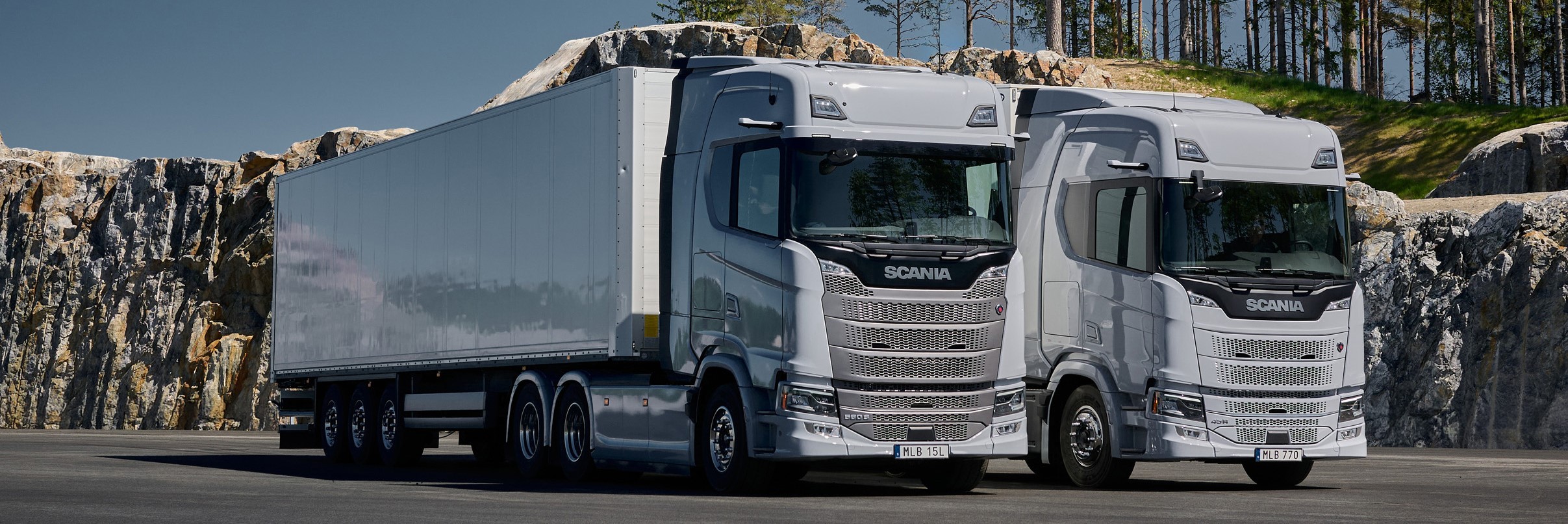
Global investment often comes in waves, not just for car production lines but commercial vehicle manufacturing. New SMMT analysis published this week showed more than £1.1 billion has been committed to the UK by businesses in these sectors since 2021, with more than 30 different vehicle models and conversions – vans, trucks, buses, minibuses, utility vehicles and accessible passenger transport – either already in or announced for UK production. This is a hugely diverse British-built product range that befits the industry’s breadth and size, as well as its role in delivering decarbonisation, with more than half of these models available as zero-emission.
SMMT is a staunch champion of the UK industry’s ambition to deliver zero emission mobility, so we were pleased to visit IAA Transportation, Europe’s largest trade show for the commercial vehicle sector, in Hannover this week to see manufacturers’ latest product launches and ambitious plans for cutting emissions. There was also ample evidence of the interdependence of the UK and Europe’s industries, not just in terms of markets for finished vehicles but for our respective supply chains. That is why continued UK-EU alignment remains a top priority for vehicle manufacturers.
The UK and EU’s relationship is one of Europe’s greatest industrial strengths but, without pragmatic policy, it risks being weakened on two fronts. Tougher rules of origin from 2027 would likely trigger tariffs on the very zero emission and plug-in hybrid vehicles governments want consumers to buy, while proposed ‘Made in Europe’ local content rules would create new barriers across the integrated supply chains upon which both UK and EU manufacturers depend. We need balanced, long-term solutions to both threats, to protect our interconnected markets, support battery supply chain development, and strengthen European automotive competitiveness – helping secure further investment like we saw this week.
SMMT Update
Sign up
Sign up to the SMMT Update Newsletter for weekly automotive news and data
"*" indicates required fields