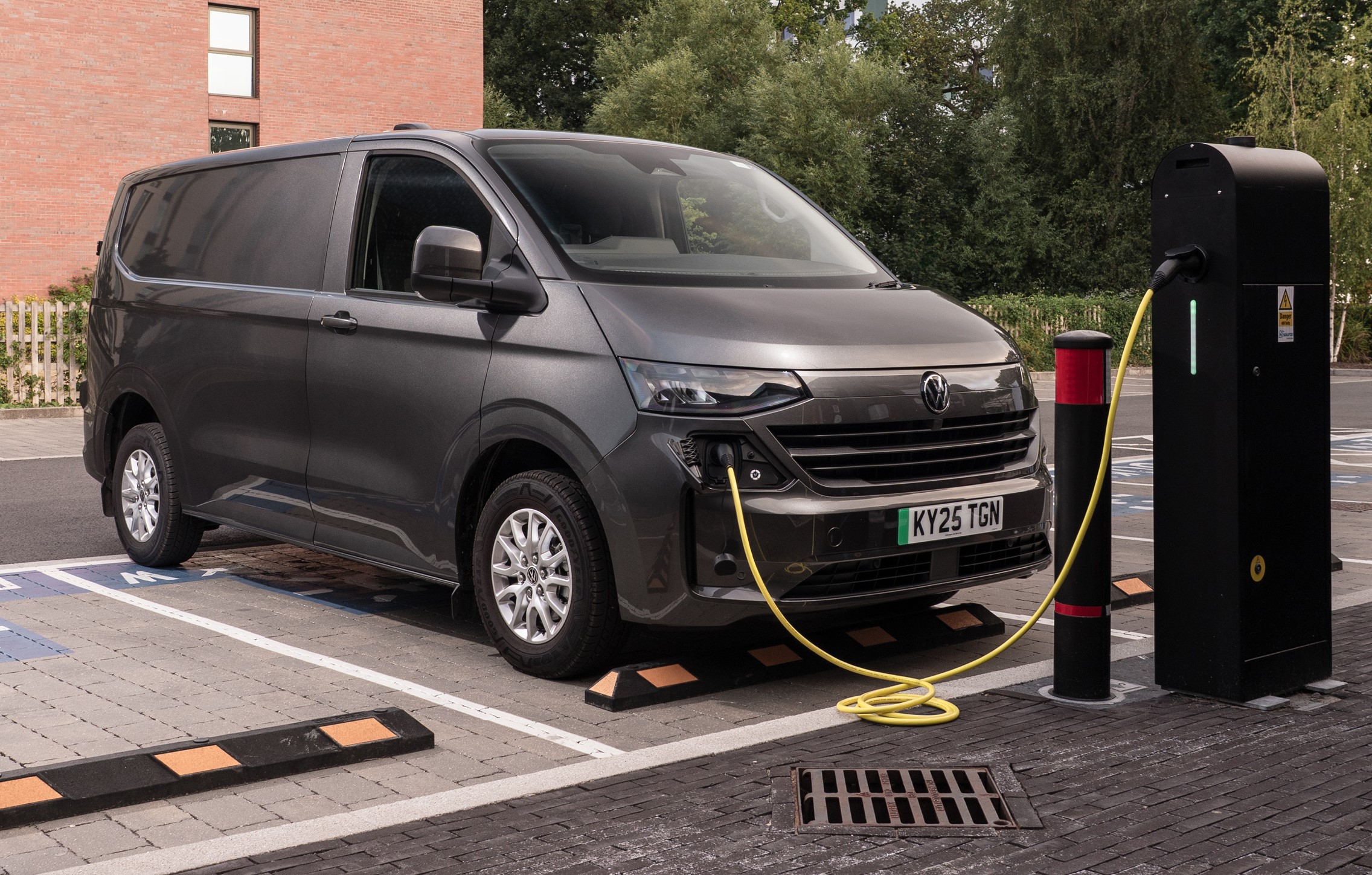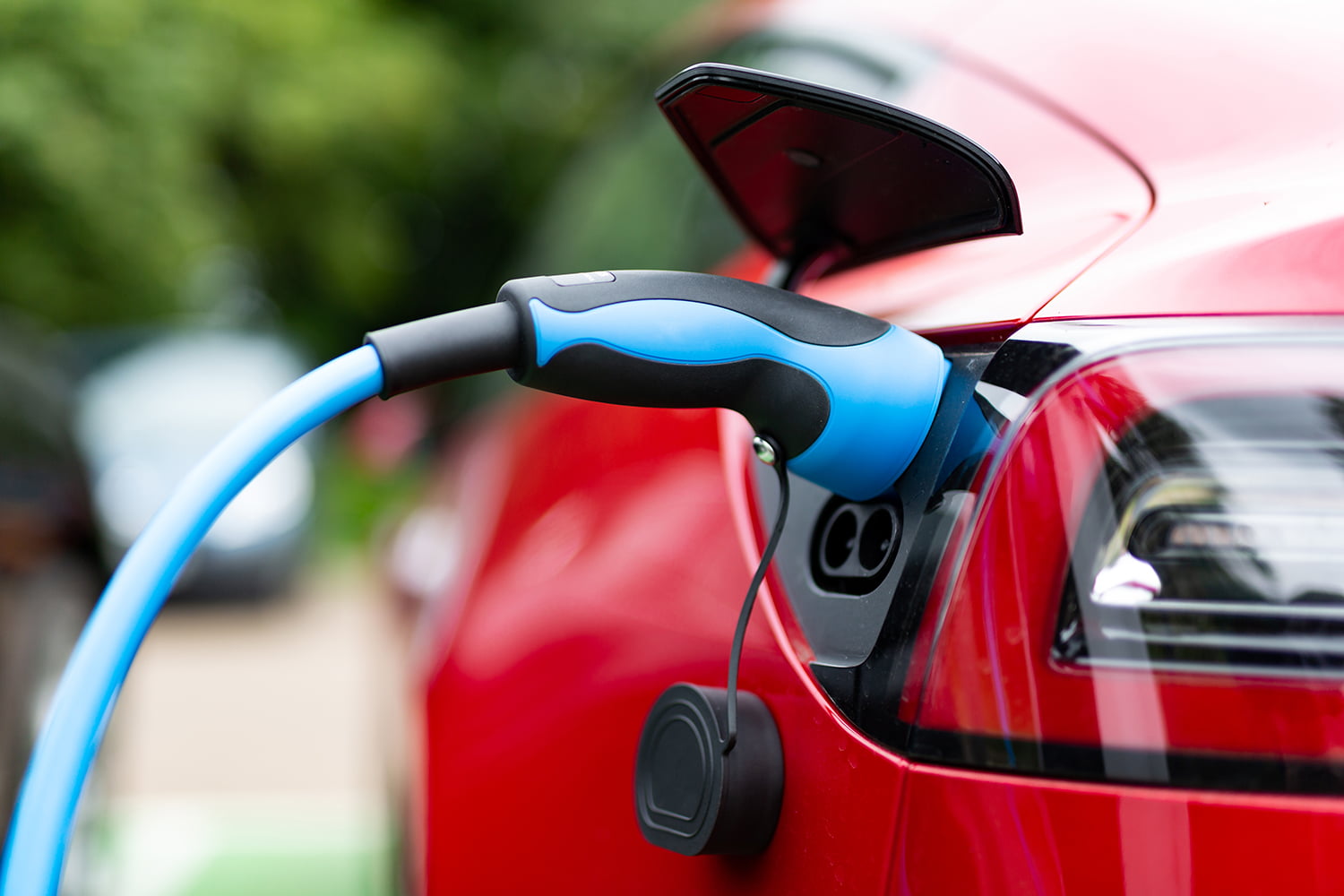

The used car market is where most motorists buy their next vehicle so, while new figures published this week show activity was essentially flat in the first quarter, down just -0.2%, it is encouraging that EV transactions grew by nearly a third. Nearly one in 23 used cars changing hands in Q1 was battery electric – a record market share driven by long-term growth in the new car market where unprecedented manufacturer investment into products and subsidies is driving uptake.
Interest in used EVs may be helped by higher fuel prices amid the conflict in Iran, but turning that interest into substantial market growth will require every fiscal and policy lever to be pulled. With the average age of the UK vehicle parc now at a new high of 9.7 years – up from eight in 2019 – fleet renewal is key. Given the current pressures in the new car market where fleet turnover begins, a full review of the UK’s EV transition to align policy with market realities should be an urgent priority.
Smarter regulation is needed not just for cars, but vans and HGVs which face even more ambitious decarbonisation targets. In a welcome development this week, legislation was approved for electric vans weighing up to 4.25 tonnes to follow the same MOT regulation as lighter vans, rather than HGVs, from the start of June. The measure, which SMMT has long called for, means operators will not be required to use tachographs and will have access to more than 23,000 van MOT test centres, rather than just 500 for HGVs. This will make ownership more accessible and less burdensome, removing one of many barriers holding back electric van adoption.
While the UK continues to navigate its way towards a successful EV transition in a challenging global economic climate, notable progress is being made in the connected and automated mobility (CAM) sector. This week saw the announcement of a memorandum of understanding between UK government and Wayve, a partnership hoped to encourage collaboration in critical areas such as safety assurance and simulation at scale on UK roads, as well as integrating self‑driving technology into production‑ready vehicles. Such collaboration will help accelerate CAM rollout in the UK and attract investment to support skilled jobs and drive industry growth.
SMMT Update
Sign up
Sign up to the SMMT Update Newsletter for weekly automotive news and data
"*" indicates required fields