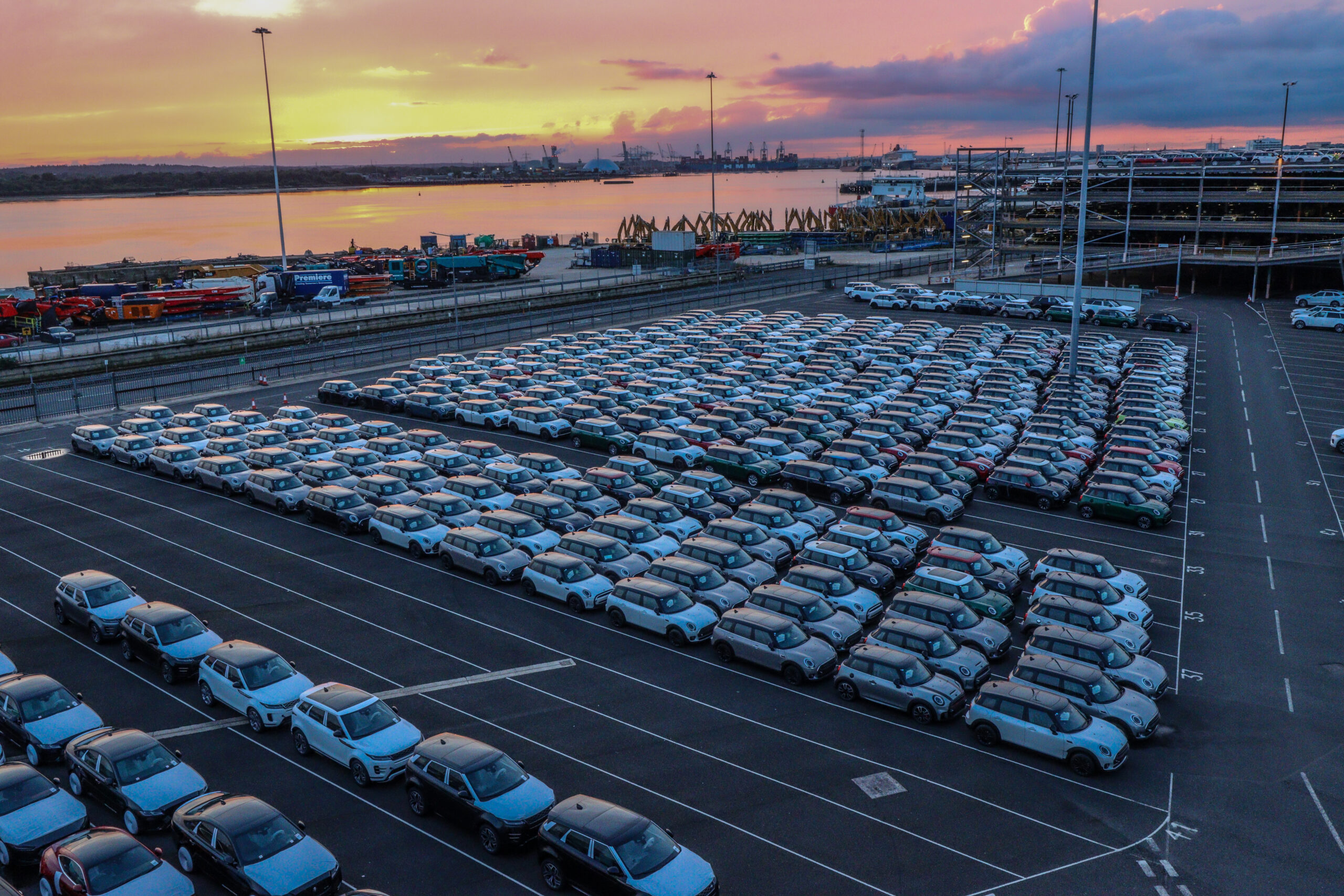

For over half a century, Britain and Europe’s automotive sectors have been pivotal to each other’s success. Even with Brexit, both sides continue to trade and invest heavily in one another’s markets, manufacturing and supply chains. This is a relationship worth €80 billion a year, with the UK the EU’s largest export market for passenger cars and vice versa, and the biggest importer of EU-built components.
That interdependence was underlined this week in new analysis commissioned by SMMT from Oxford Economics. It shows UK automotive production supports a staggering €24 billion of economic activity, 250,000 jobs and €1.6 billion in tax revenue across the EU. These benefits are shared across the continent – but they are at risk if the European Commission’s ‘Made in Europe’ proposals exclude UK-built vehicles from EU market incentives and procurement schemes.
The EU is rightly focused on strengthening its industrial base. But restricting access for UK manufacturers in their largest market would be self-defeating – reducing substantial demand for EU-made components, goods and services, weakening competitiveness on both sides, and threatening growth at precisely the moment our industry must invest harder and faster in zero-emission mobility.
As close partners, strategically and geographically, it is in both sides’ long-term interest that ‘Made in Europe’ recognises UK Automotive as a trusted partner and treats UK-produced vehicles as “assembled in the EU” for these purposes. Prime Minister Andy Burnham’s affirmation this week that he is focused on this vital issue is incredibly important, and the next UK-EU summit, due before the end of the year, must address it.
Despite this uncertainty, a succession of hugely positive announcements demonstrate the UK is still a country in which it is worth investing. Announcements from Nissan, McLaren and, only yesterday, Bentley confirming its £350 million commitment to its first EV model, to be built in Crewe, represent a massive vote of confidence in the future of UK manufacturing, skills and innovation.
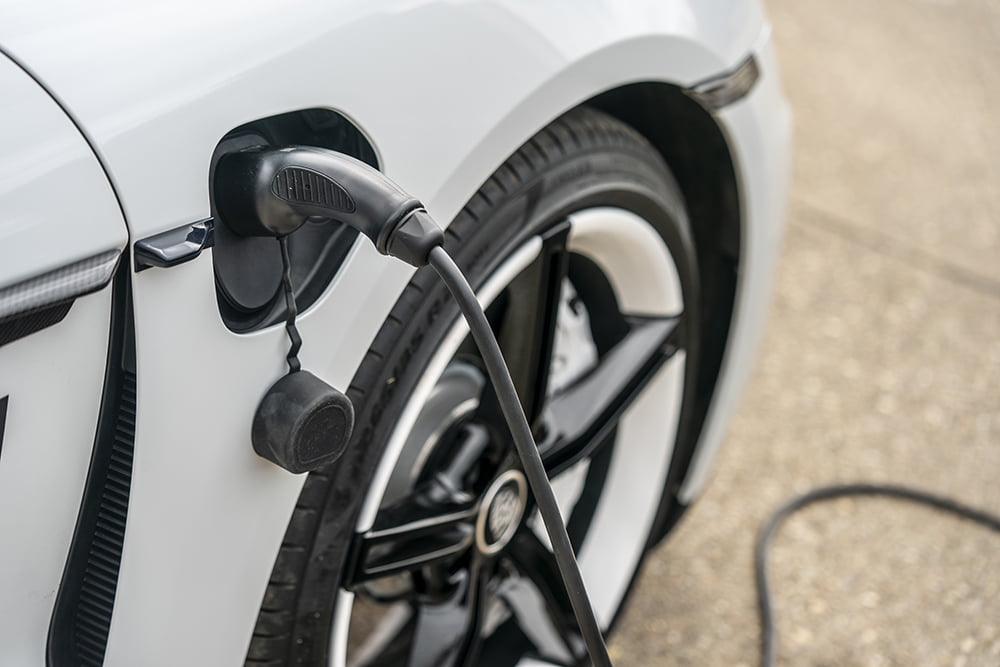
Yesterday’s announcement came as the second edition of SMMT Drive Live took place in Worcestershire, giving journalists and influencers the chance to test drive the latest vehicle technology for their audiences. More than half of the vehicles available to drive were electric, reflecting progress in the EV transition as set out in new analysis published by SMMT at the event. EV model availability has more than doubled over the past three years – now exceeding 170 different options – underwritten by more than 60 global brands.
The UK’s open trade approach has been of significant benefit to consumers and is supporting the growth in the EV market, which is why preserving that openness – while ensuring it is fair – is vital. Future market stability, accessibility and affordability matter to manufacturers and motorists alike. At a time of fierce global competition, the UK and EU should be building on decades of shared automotive success, not putting it at risk.
SMMT Update
Sign up
Sign up to the SMMT Update Newsletter for weekly automotive news and data
"*" indicates required fields