- New report warns high costs, lower production volumes and programme uncertainty threaten suppliers critical to UK automotive manufacturing and future investment.
- Manufacturers identify £6.4bn of local spending on priority components by 2030, but only if the UK’s supply base can compete.
- Rising supply chain insolvencies prompt SMMT call for £130m Productivity Accelerator for capital grants, tooling finance, skills and diversification – backed by action on costs and market access.

Britain risks losing critical automotive suppliers before they can compete for future business, the Society of Motor Manufacturers and Traders (SMMT) is warning. A new report reveals how high costs, lower demand and programme uncertainty are weakening the businesses underpinning UK vehicle manufacturing, threatening existing capability and future growth.
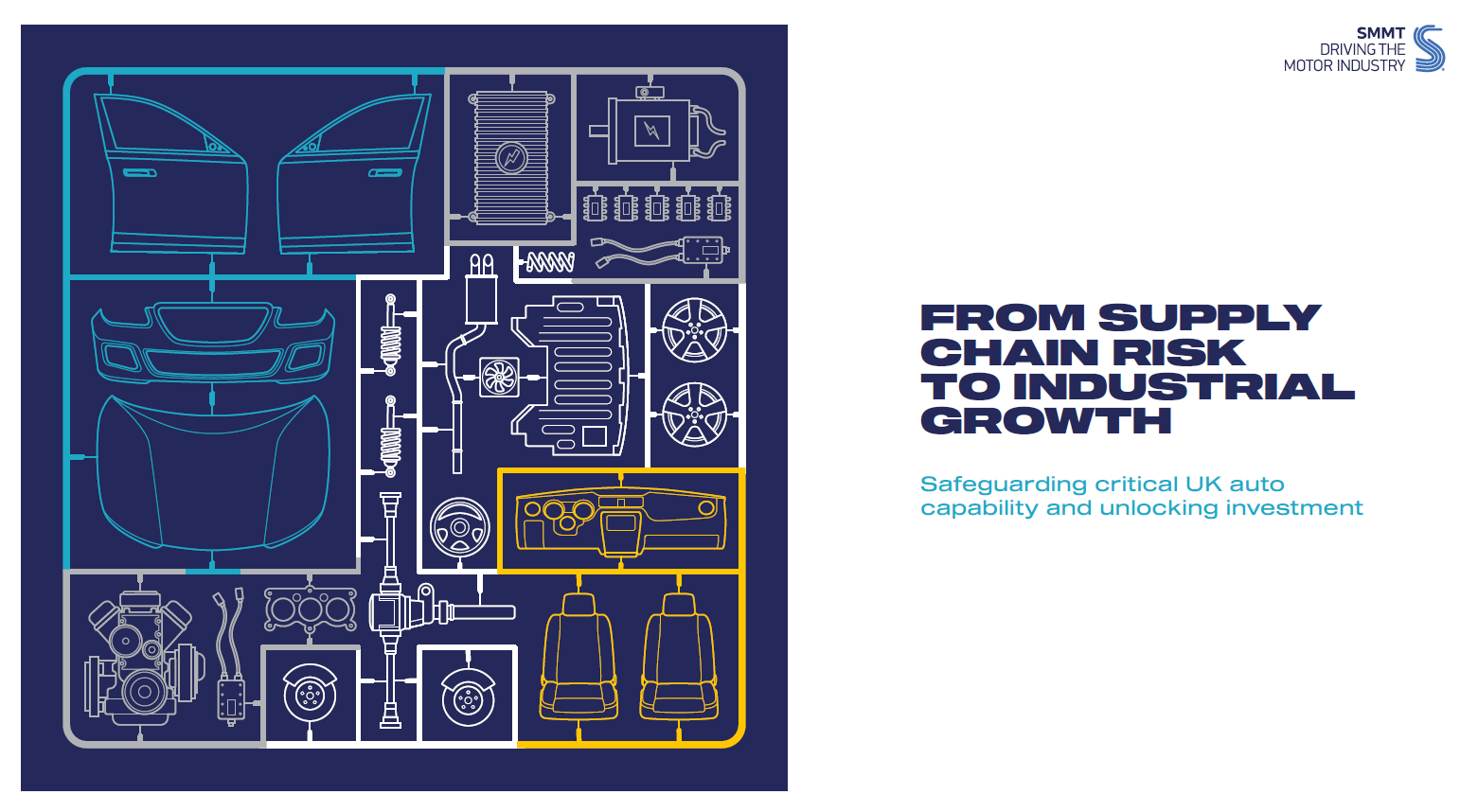
From supply chain risk to industrial growth1 identifies £6.4 billion in vehicle manufacturer spend by 2030 on priority components for UK supply, including significant opportunities to replace imports, if competitive conditions are secured.2 As manufacturers decide where to award their next major vehicle programmes, urgent action is needed to protect the skills, capability and capacity needed to win this work and secure UK vehicle investment.
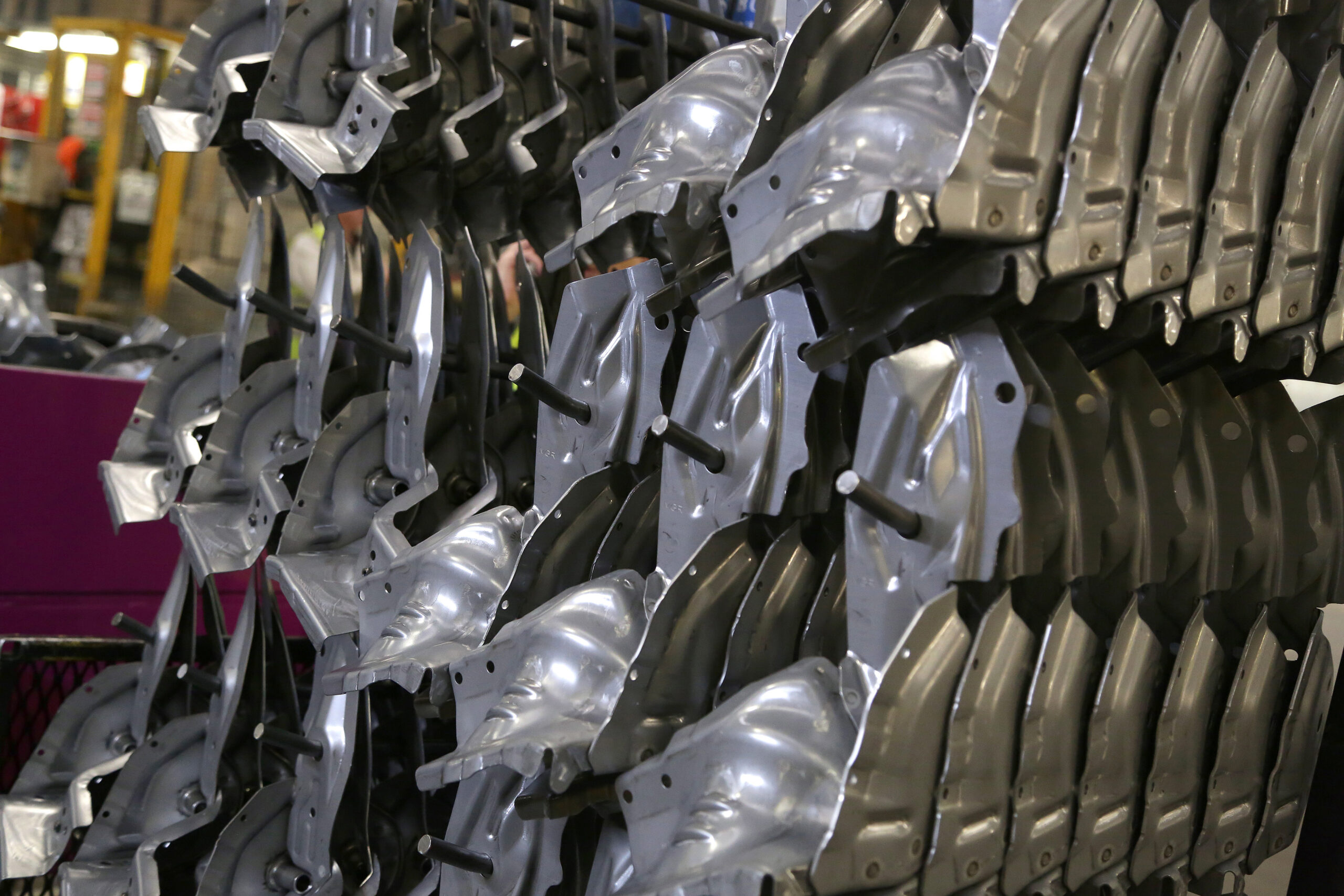
Despite world-renowned vehicle manufacturers, a skilled workforce, strong R&D and billions in recent investment, growth depends on sustaining today’s suppliers – many of which are in a state of distress. The pressure extends beyond the shift to electrification to manufacturers of essential parts used across all powertrains, including seats, cockpit modules, plastic trim, pressings and castings. Often supplying ‘just in time’ and in assembly-line order, these businesses are integral to UK production. Losing them would strip value from UK manufacturing and make future vehicle investment harder to secure.

The report shows how unpredictable demand and high UK labour and energy costs are squeezing cash flow and investment in equipment, skills and productivity. Some suppliers reported operating at around half capacity in parts of their businesses, raising the cost of every component and weakening competitiveness. Insolvencies among UK vehicle and component manufacturers rose by approximately 180% between 2016 and 2025, against around 63% across all UK businesses.3
SMMT is therefore calling for a national Automotive Productivity Accelerator, building on DRIVE35-funded Supplier Readiness and Transformation pilots in the West Midlands and North East. It would provide £100 million in capital grants for productivity, automation, robotics, AI and digitalisation, and £25 million for skills. DRIVE35 must also be extended to components used in all powertrains, such as plastic mouldings and steel pressings. Dedicated tooling finance would ease upfront costs for new vehicle programmes, while a £5 million match-funded Auto to Aerospace and Defence Readiness Programme would support diversification, helping to retain skills and sovereign industrial capability.
Britain cannot afford to lose the suppliers that make vehicle manufacturing here possible. Once their skills, tooling and expertise are gone, investment becomes harder to win – and far harder to bring back. The opportunity to reshore component spending in Britain is real, but we cannot take it for granted. Industry must improve productivity and work to secure critical capability, matched by government action on energy costs, market access and targeted investment support. Backing suppliers is not just about protecting today’s jobs, it is about securing Britain’s place in the next generation of vehicle manufacturing.
Addressing energy, employment and business rates costs is also critical, alongside the need to ensure suppliers benefit from the new Supply Chain Centre and Industrial Strategy zone incentives. A workable ZEV Mandate, full UK participation in the EU’s ‘Made in Europe’ industrial policy and changes to the UK-EU rules of origin to protect tariff-free trade, alongside improved market access to other priority markets, are essential if demand is to be more predictable.
Industry will play its part. SMMT will engage with manufacturers and suppliers and with the Advanced Propulsion Centre, Automotive Council and specialist partners to support viable import-replacement opportunities that are key to critical capability. With more than 2,500 automotive supply chain businesses and 188,000 jobs across the industrial base, the stakes are high. Protecting viable suppliers now will preserve critical capability needed to compete for future business – and ensure Britain retains more value from every vehicle it builds.
Downloadsupply chain risk
Explore the challenges facing UK automotive suppliers and the urgent action needed to protect manufacturing capabilities, strengthen competitiveness and unlock future growth.
Notes to editors
- The report combines aggregated, anonymised sourcing submissions from participating vehicle manufacturers with interviews, consultations and workshops involving 26 suppliers representing £1.2bn in turnover and 8,500 employees. Manufacturer data was collected through SMMT’s Chief Procurement Officer Forum, which represents 99% of UK-based passenger car manufacturing. Participation was voluntary; findings reflect the businesses involved.
- The £6.4bn figure represents expected annual spending in 2030 across components identified as critical or important for UK supply. It includes existing UK sourcing and is not wholly new business. Future sourcing depends on vehicle programmes, market conditions and commercial competitiveness.
- Insolvency comparisons cover 2016–2025. Automotive figures refer to vehicle and component manufacturers classified under SIC 29.
How to Get Involved
Members can contact the Supply Chain team to access Supply Chain Resilience Programme activities, request tailored guidance or join relevant initiatives.
Non‑members can engage with selected activities and explore how SMMT membership unlocks the full offer.
Find out how your company can become involved in the SMMT Supply Chain Resilience Programme.
"*" indicates required fields