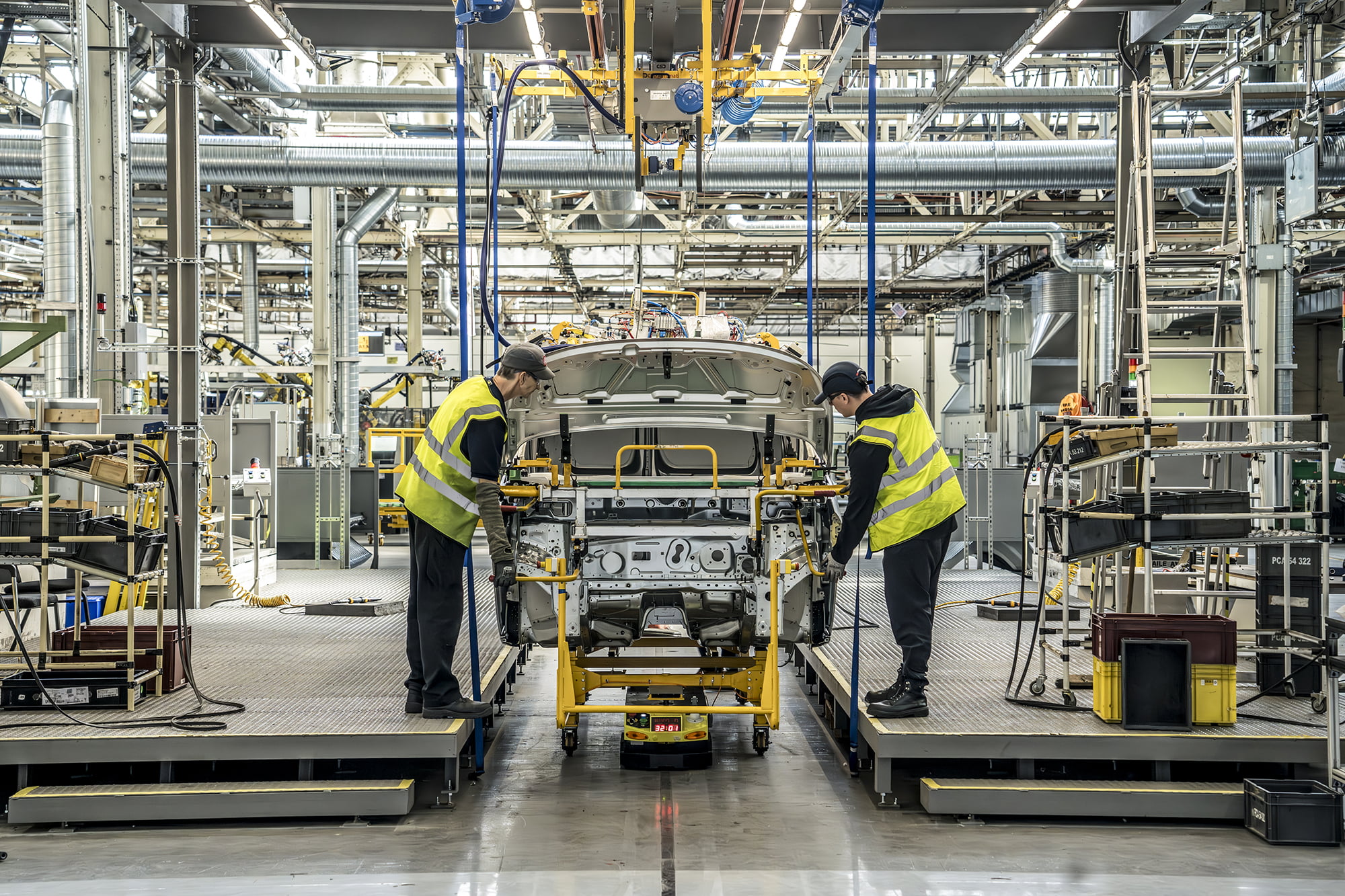
From 1 July, revised steel trade measures cut tariff-free import quotas by 60%, and apply a 50% tariff above those thresholds.
For vehicle manufacturers, multi-stage builders and component suppliers, this demands a clear-eyed assessment rather than alarm.
An eye for detail is also needed, since the tariff applies to raw and semi-finished steel, not to finished imported products.
That asymmetry is a risk. A GB business buying steel above quota pays the 50% premium, while a competitor importing a finished body, sub-assembly or complete vehicle from outside the UK pays nothing on the steel within it.
The protection intended for domestic steelmaking can, then, ironically make it cheaper to import the finished article than to build it here – a clear danger of offshoring.
For multi-stage builders, body and chassis converters, the exposure is therefore twofold; input cost, and a competitive playing field that may quietly favour finished imports. It’s also critical to remember that the UK also simply don’t produce some necessary grades of steel domestically.
The most constructive response is preparation: review contracts against the pre-14 March exemption window, map exposure and support calls for a defined review process, should tariffs impact manufacturing competitiveness, or imports of grades not produced on our shores.