
UK motorists have been witness to unprecedented change in the past decade, as EVs have moved from niche to normal – from a choice of just 14 EV models in 2016 to almost 170 today. This has been driven by sustained manufacturer innovation and investment – with cutting-edge zero emission models now representing more than four in 10 new cars on sale and covering every segment. Decarbonisation has not been limited to EVs, either, with more than 100 plug-ins and over 50 hybrid variants providing drivers with essential mobility while reducing emissions.
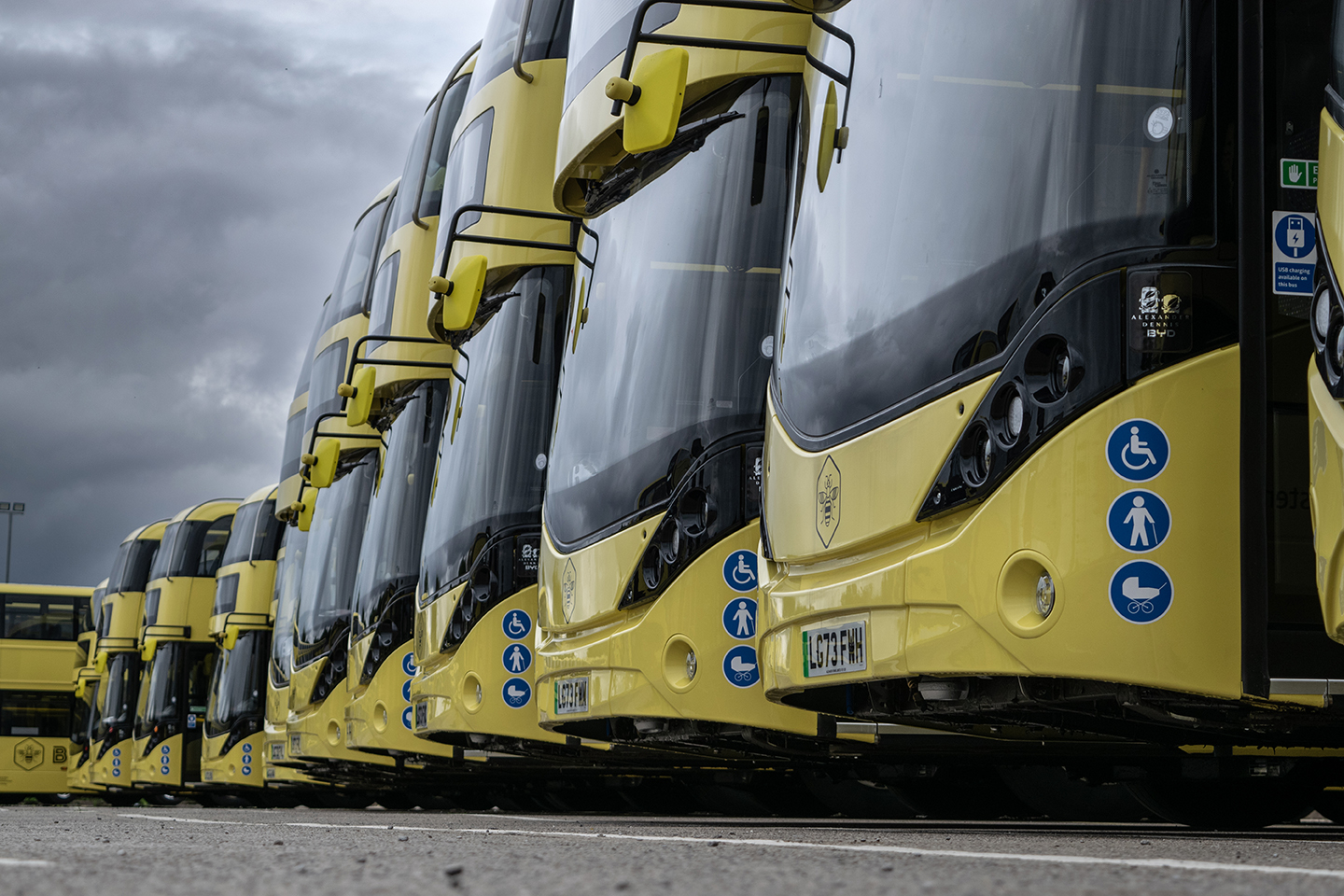
Competition and innovation are only increasing with 51 manufacturers now offering EVs, up from 12 in 2016. With long-established brands remaining popular and new entrants gaining familiarity, motorists have huge choice to meet their specific needs and preferences, while we all benefit from industry-wide advancements such as EV range, now on average more than enough for a fortnight’s driving for the typical UK motorist. Light and heavy commercial vehicle manufacturers are also leading decarbonisation, years ahead of natural market demand, with zero emission van, HGV and bus model rollout up almost 15-fold since 2016 – covering a huge range of use cases, and providing an increasingly competitive total cost of ownership.
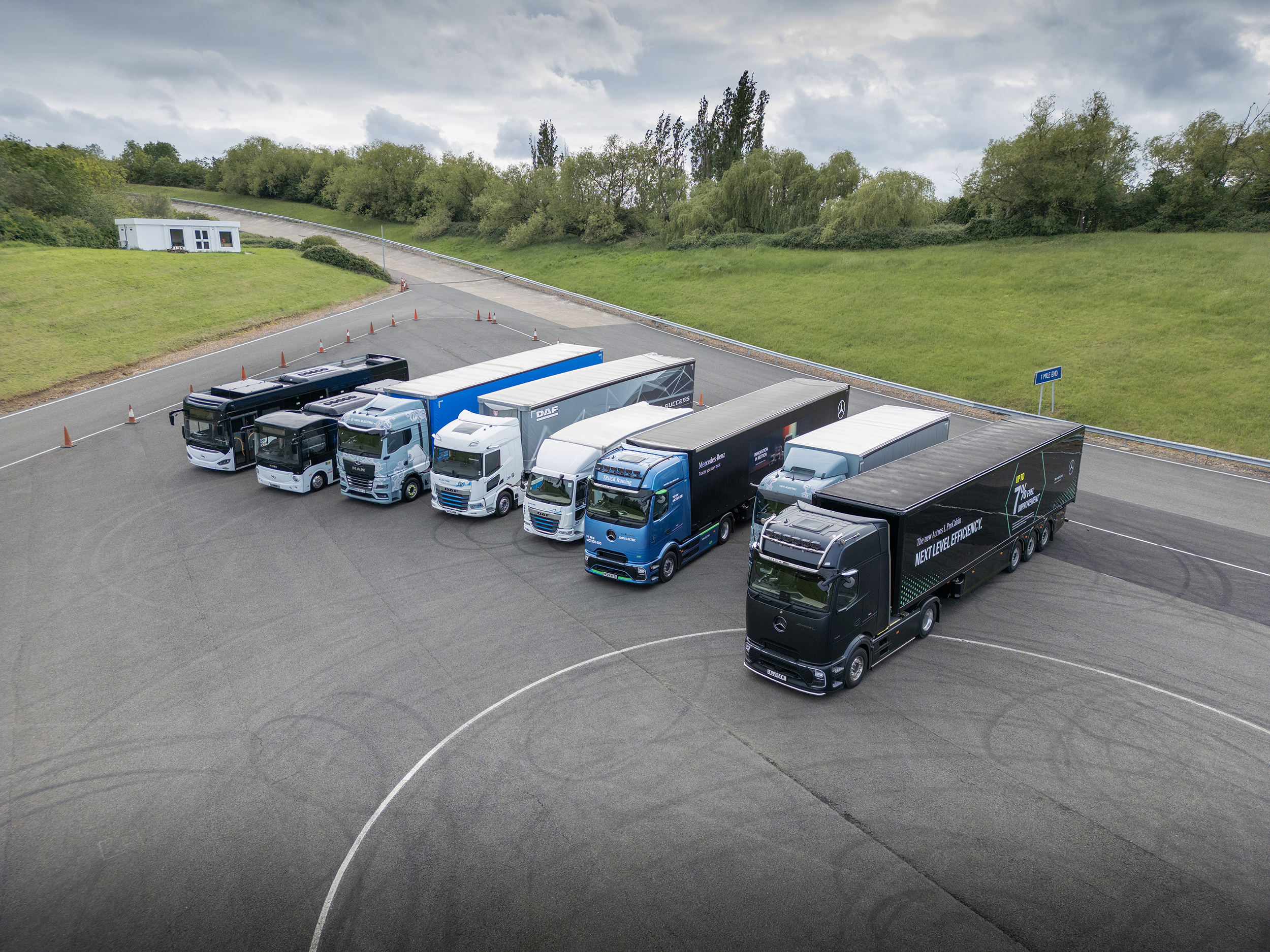
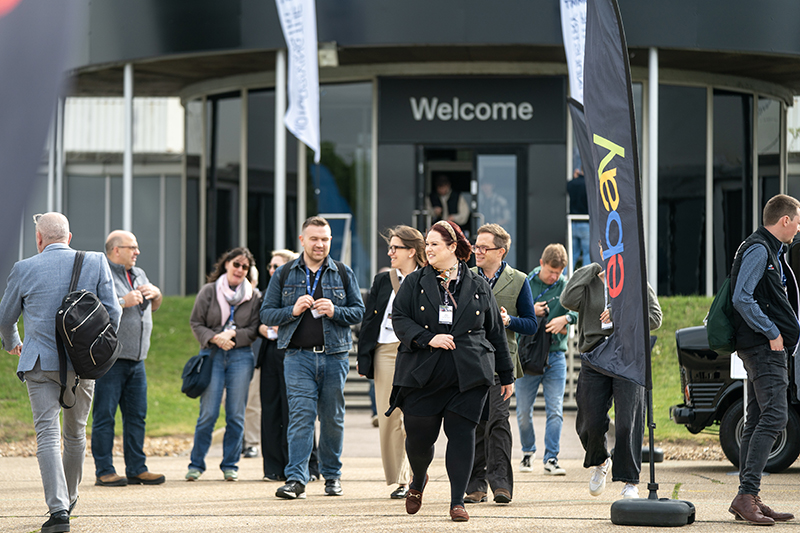
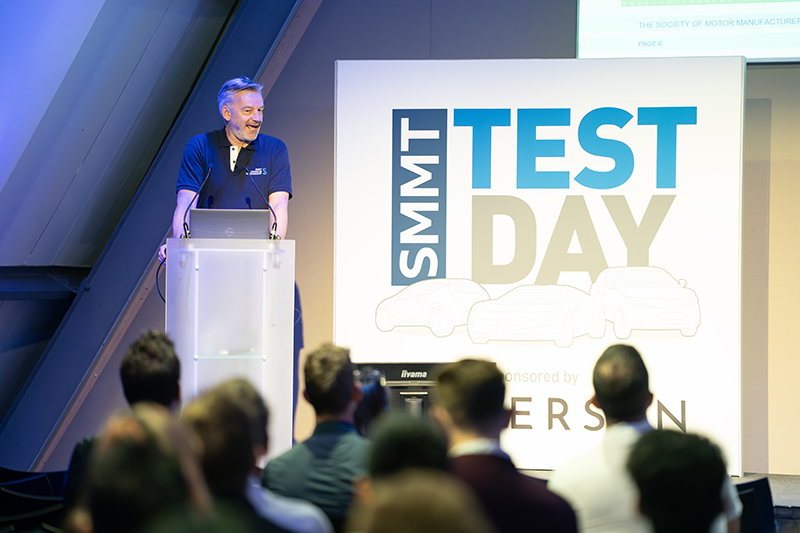
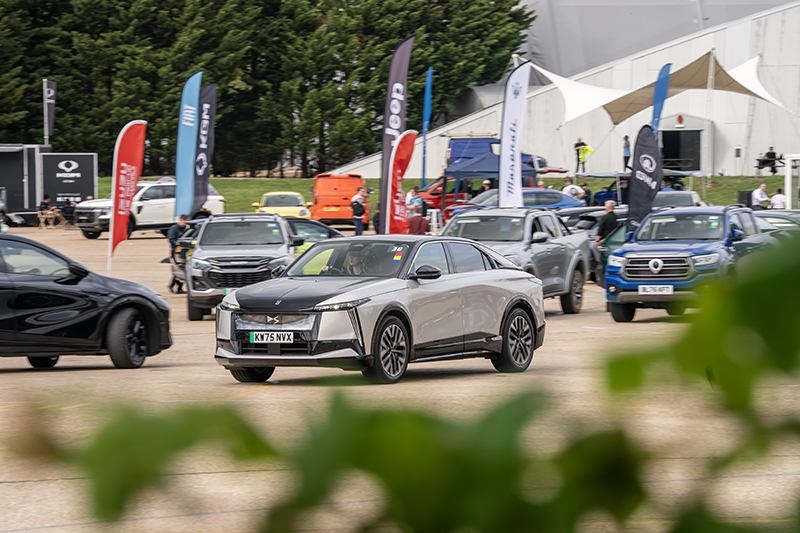
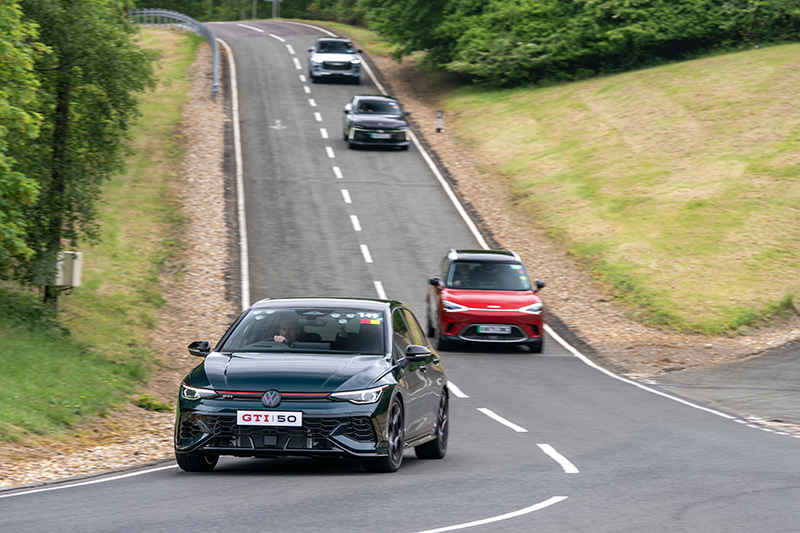
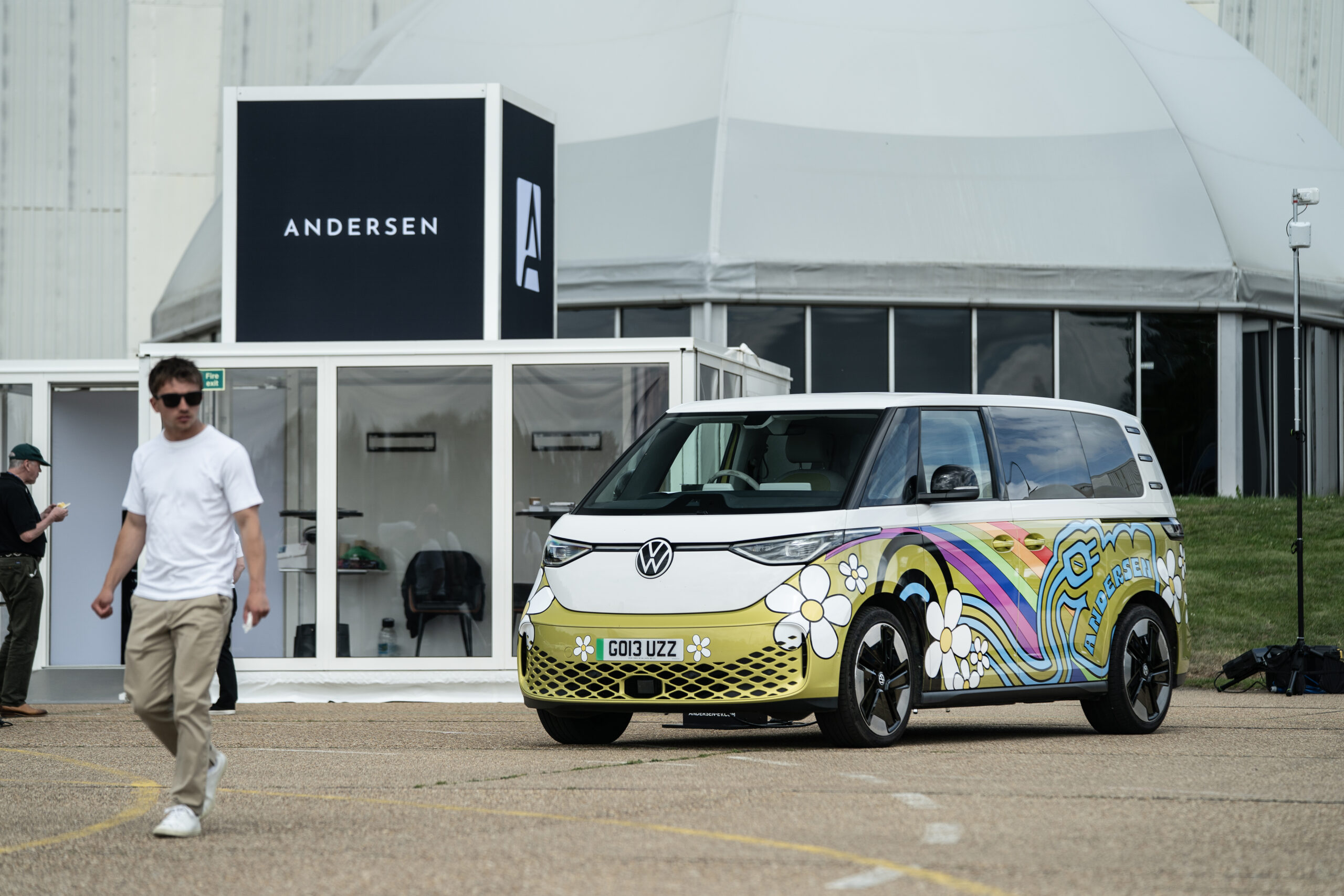
The latest technology was put through its paces at SMMT’s 46th Test Day this week, welcoming some 40 brands and hundreds of journalists to UTAC Millbrook in Bedford. More than half of the 170-strong vehicle line up was zero emission, reflecting the scope of products available. That level of choice is driving decarbonisation with the latest industry outlook expecting BEVs to reach 26.8% market share by year end – impressive progress from 3.4% just a decade ago, but lagging the incredibly tough 33% mandated by government.




Automotive is renowned for its ambition but the economic conditions for delivering EV growth in 2026 are far more challenging than expected when the mandate was designed five years ago. Manufacturers have responded, with rapid model rollout and discounts on their sale worth £10 billion over the last two years. Assuming industry will indefinitely absorb every additional cost, however, will only turn away investors and put jobs at risk.
This is not an argument for slowing the transition – to which industry remains committed – but it is an argument for regulation that is credible from a market and economic perspective. Manufacturers have shown they can innovate, invest and supply at pace and scale. The next phase must be about ensuring regulation, infrastructure and fiscal incentives fully support these efforts.
SMMT will continue to champion the industry’s innovation, commitment to decarbonisation and economic importance. Another opportunity comes with Meet the Buyer in Birmingham on 3 June, SMMT’s annual event connecting global automotive purchasing teams with suppliers across the UK. This year the focus is on batteries and energy storage, power electronics, motors and electric machines, infotainment and connectivity, and sensors and autonomy. Expressions of interest are still open, so get in touch here.
SMMT Update
Sign up
Sign up to the SMMT Update Newsletter for weekly automotive news and data
"*" indicates required fields