SMMT’s latest UK bus, coach and minibus registration figures published this week show a market continuing to normalise after two years of strong fleet renewal. Registrations fell 50.6% in Q2, driven primarily by a 70.9% drop in minibus registrations, while all vehicle segments recorded declines.
At first glance, those figures may appear concerning but closer look, however, reveals a market entering a period of stability rather than decline. Following sustained growth in recent years, the latest data reflects an inevitable pause as operators balance fleet replacement with the transition to zero-emission vehicles and prepare for significant regulatory change.
Encouragingly, zero-emission buses continue to outperform the wider market. Although battery-electric bus registrations fell during the quarter, they accounted for more than one in four new registrations. Across the first half of the year, almost a third of all new buses registered were zero emission.
This growing market share demonstrates that fleet decarbonisation is becoming business as usual. The question is no longer whether operators want to invest in zero-emission buses, but whether the wider funding, infrastructure and policy environment will enable them to do so.
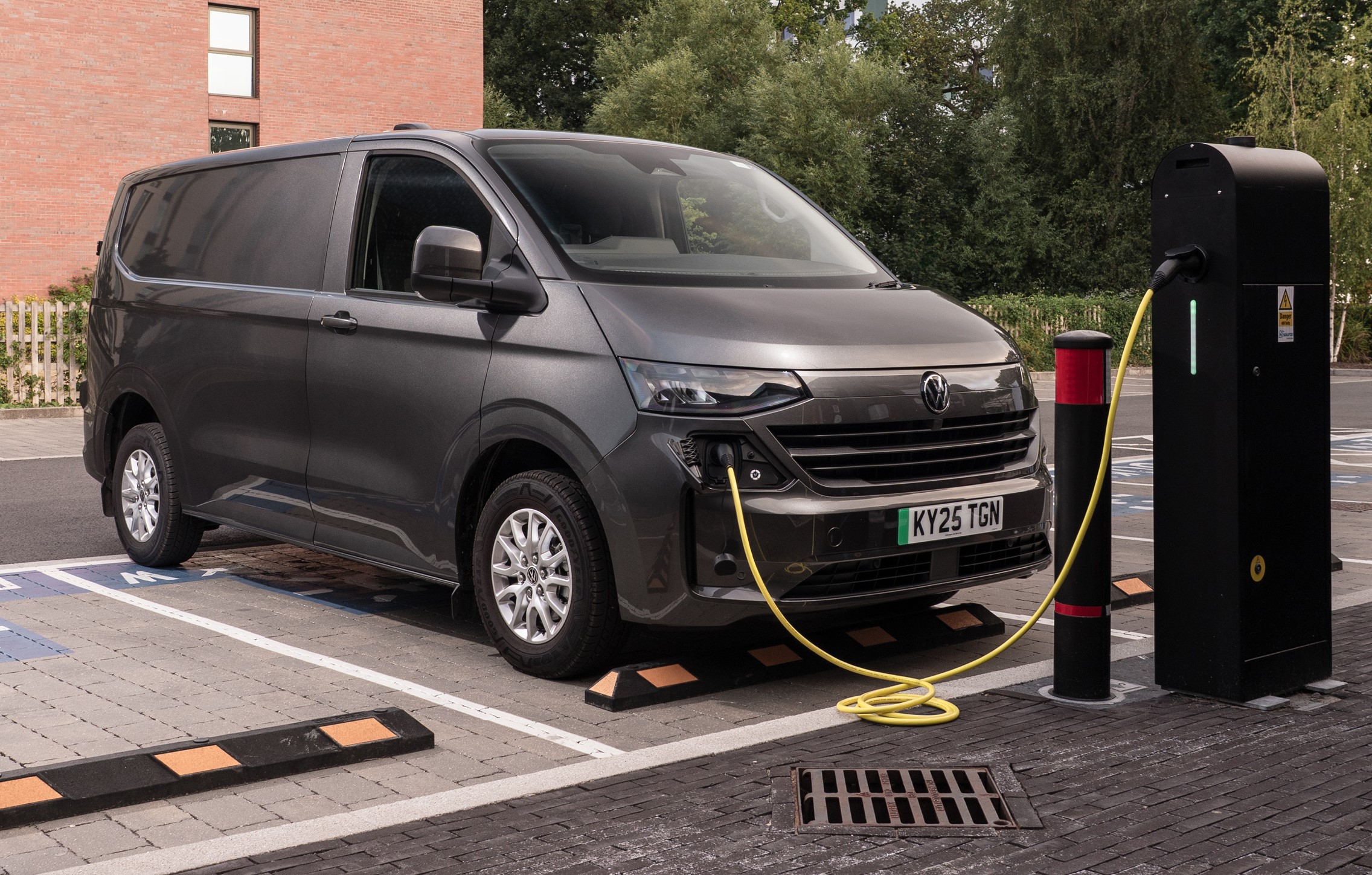
Manufacturers and the wider supply chain continue to invest heavily in new technologies, delivering improvements in efficiency, reliability and operational range. Government support has also played a vital role, helping operators accelerate the transition through targeted funding programmes. Maintaining that momentum, however, will depend on providing greater certainty over infrastructure investment, long-term funding and regulation.The most immediate challenge is depot charging infrastructure. Securing timely grid connections remains a major barrier to planned fleet replacement in every corner of the country.
While innovations such as smart charging, depot energy management and onsite battery storage are helping to reduce demand, they cannot substitute for investment in the energy networks and better coordination between transport and energy planning. Grant funding has been instrumental in driving progress, with the latest rounds of ZEBRA and ScotZEB3 providing almost £200 million to support the deployment of more than 1,300 zero-emission buses.
Yet as franchising expands across England and legislation to end the sale of new diesel buses approaches, the outlook for future funding remains uncertain.
Without greater clarity, manufacturers and operators will struggle to make the long-term investment decisions with confidence needed to sustain the transition.The latest registration figures reinforce an important reality: the shift to zero-emission buses is continuing at pace.
The priority now is to ensure the infrastructure, funding and policy framework keeps pace, giving the industry the confidence to maintain momentum and deliver the next phase of decarbonisation.